Mixed-Use Properties in New Albany: Residential-Commercial Investment Guide
Learn how to leverage dual-income properties in New Albany to maximize returns and build long-term wealth.

Introduction: The Growing Appeal of Mixed-Use Real Estate in New Albany
Mixed-use properties have become increasingly attractive to real estate investors seeking to diversify their portfolios and maximize returns. In New Albany, this trend is particularly pronounced as the market continues to evolve and attract both residential and commercial tenants. These dual-income properties offer a unique opportunity to generate revenue from multiple sources while building equity in a thriving community.
The appeal of mixed-use real estate lies in its flexibility and income potential. By combining residential units with commercial spaces, investors can create a stable, diversified revenue stream that weatheres market fluctuations better than single-use properties. New Albany's strategic location and growing population make it an ideal market for this investment strategy.
Understanding Residential-Commercial Property Types and Market Dynamics
Common Mixed-Use Property Configurations
Mixed-use properties in New Albany come in various configurations, each offering distinct advantages:
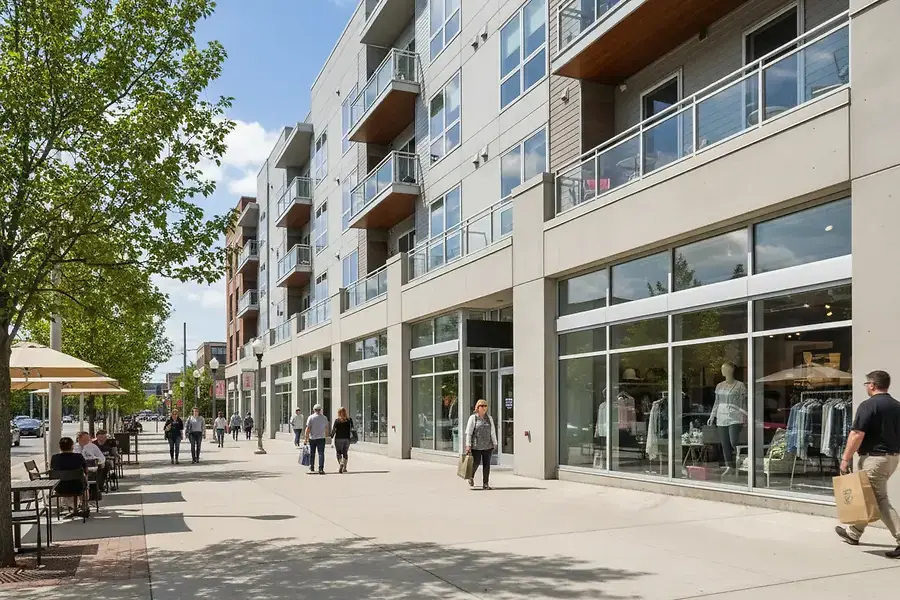
- Ground-Floor Commercial with Upper-Level Residential: This classic configuration features retail or office space on the ground floor with apartments or condominiums above. It maximizes land use and creates vibrant street-level activity.
- Separate Buildings on Single Lot: Some properties feature distinct residential and commercial buildings on the same parcel, allowing for independent management and leasing strategies.
- Integrated Commercial-Residential Complexes: Larger developments combine multiple residential units with extensive commercial space, creating comprehensive community hubs.
Market Dynamics in New Albany
New Albany's real estate market has experienced steady growth, driven by population increases and economic development. The demand for both residential and commercial space continues to rise, creating favorable conditions for mixed-use investments. Understanding local market trends is crucial for identifying properties with strong appreciation potential and reliable tenant bases.
The market dynamics favor properties in high-traffic areas with good visibility and accessibility. Commercial tenants seek locations that attract foot traffic, while residential tenants value proximity to amenities, employment centers, and quality schools. Mixed-use properties that satisfy both requirements command premium rents and attract quality tenants.
Key Factors for Evaluating Mixed-Use Investment Potential in New Albany
Location and Accessibility
Location remains the most critical factor in mixed-use property success. Evaluate properties based on:
- Proximity to major highways and public transportation
- Visibility from main roads and foot traffic patterns
- Nearby amenities including restaurants, retail, and services
- Zoning regulations and future development plans
Properties in established commercial corridors with strong residential demand typically perform best.
Income Potential and Tenant Mix
Analyze the revenue potential from both residential and commercial components. Consider:
- Rental rates: Compare current and projected rental rates for both residential and commercial space in the area
- Occupancy rates: Research historical and projected occupancy rates to estimate reliable income
- Tenant quality: Evaluate the stability and creditworthiness of current and potential tenants
- Lease terms: Longer-term leases provide income stability, particularly for commercial tenants
Property Condition and Maintenance Requirements
Mixed-use properties often require more complex maintenance than single-use buildings. Conduct thorough inspections to assess:
- Structural integrity and building systems
- HVAC, plumbing, and electrical systems
- Roof condition and remaining useful life
- Deferred maintenance costs
Budget for higher maintenance costs due to the diverse needs of residential and commercial tenants. A professional property inspection is essential before making an investment decision.
Financial Analysis and Return Metrics
Evaluate mixed-use properties using standard investment metrics:
- Cap Rate: Calculate the capitalization rate to compare returns against other investments
- Cash-on-Cash Return: Determine annual cash flow relative to your initial investment
- Debt Service Coverage Ratio: Ensure rental income adequately covers mortgage payments and operating expenses
- Internal Rate of Return (IRR): Project long-term returns including appreciation and equity buildup
Mixed-use properties should generate competitive returns while offering the stability of diversified income streams.
Zoning and Regulatory Considerations
Before investing, thoroughly understand local zoning laws and regulations. Verify that:
- The property is properly zoned for mixed-use development
- Current uses comply with zoning requirements
- Future modifications align with zoning restrictions
- Parking requirements are met for both residential and commercial tenants
Zoning changes or violations can significantly impact property value and income potential. Consult with local planning departments and legal professionals to ensure compliance.
Management Complexity
Managing mixed-use properties requires more expertise than single-use buildings. Consider whether you'll self-manage or hire professional property management.
Professional management typically costs 8-12% of gross rental income but ensures consistent tenant relations, maintenance, and legal compliance.
Evaluate your capacity to handle diverse tenant needs, coordinate maintenance across residential and commercial spaces, and manage potential conflicts between different tenant types.
Conclusion: Making Your Mixed-Use Property Investment Decision
Mixed-use properties in New Albany present compelling investment opportunities for those willing to navigate their added complexity. The potential for dual income streams, combined with New Albany's growing market fundamentals, creates an attractive proposition for long-term wealth building.
Success requires thorough due diligence, careful financial analysis, and realistic assessment of management requirements. By evaluating location, income potential, property condition, financial metrics, and regulatory factors, you can identify mixed-use properties that align with your investment goals.
The key to maximizing returns is selecting properties in strong locations with reliable tenant bases and realistic operating budgets. Whether you're an experienced real estate investor or exploring mixed-use properties for the first time, New Albany offers opportunities to build wealth through strategic residential-commercial investments. Take time to analyze each opportunity carefully, and you'll be well-positioned to capitalize on this dynamic market segment.


