Mixed-Use Properties in New Jersey: Maximizing Dual-Income Potential
Discover how residential/commercial properties can generate revenue streams while serving your community.

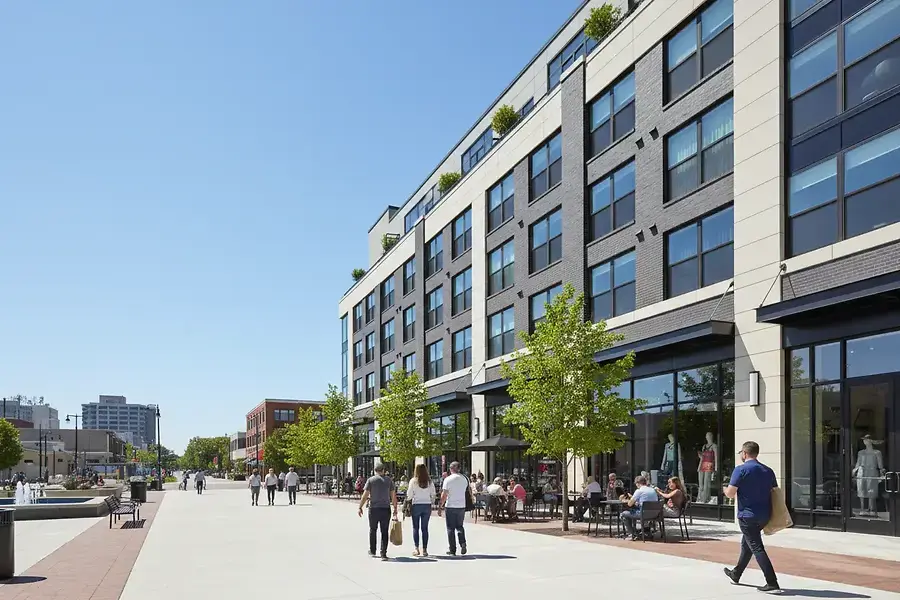
Understanding Mixed-Use Real Estate Opportunities in New Jersey
Mixed-use properties represent one of the most dynamic and profitable investment opportunities in New Jersey's real estate market. These properties combine residential units with commercial spaces—such as retail shops, offices, restaurants, or service providers—under one roof or within the same development. This innovative approach to real estate has transformed neighborhoods across the state, creating vibrant communities while generating substantial returns for savvy investors.
New Jersey's strategic location between New York City and Philadelphia, combined with its dense population and strong consumer demand, makes it an ideal market for mixed-use development. Whether you're a seasoned investor or exploring real estate opportunities for the first time, mixed-use properties offer a compelling way to diversify your portfolio and maximize earning potential.
The Financial Benefits of Residential/Commercial Properties
Multiple Revenue Streams
The primary advantage of mixed-use properties is the ability to generate income from multiple sources simultaneously. While traditional residential properties rely solely on rental income from tenants, mixed-use properties provide:
- Residential rental income from apartment units or condominiums
- Commercial lease revenue from retail, office, or service-based businesses
- Ground-floor retail opportunities that attract foot traffic and enhance property value
- Parking revenue from dedicated or shared parking facilities
This diversification significantly reduces risk. If residential occupancy dips, commercial tenants may remain stable, and vice versa. This financial resilience has made mixed-use properties particularly attractive during economic fluctuations.
Enhanced Property Appreciation
Mixed-use properties in New Jersey typically appreciate faster than single-use properties. The combination of residential and commercial spaces creates a more valuable asset that appeals to a broader range of buyers and investors. Properties located in walkable neighborhoods with active street-level commerce tend to command premium prices and attract quality tenants willing to pay higher rents.
Tax Advantages and Deductions
Investors in mixed-use properties can take advantage of numerous tax deductions, including:
- Depreciation deductions on both residential and commercial portions
- Operating expense deductions for maintenance, utilities, and property management
- Mortgage interest deductions
- Capital improvements and renovations
Consulting with a tax professional familiar with New Jersey real estate is essential to maximize these benefits and ensure compliance with state and federal regulations.
Increased Tenant Retention
Mixed-use properties create self-contained communities where residents have convenient access to shopping, dining, and services. This convenience factor leads to higher tenant satisfaction and longer lease renewals, reducing vacancy rates and turnover costs.
Navigating Zoning Laws and Local Regulations in NJ
Understanding New Jersey's Zoning Framework
New Jersey has a complex zoning landscape that varies significantly by municipality. Before investing in a mixed-use property, it's crucial to understand local zoning ordinances. Most municipalities have specific zones that permit mixed-use development, often designated as "mixed-use zones" or "downtown revitalization zones."
Key zoning considerations include:
- Permitted uses in specific zones
- Height and density restrictions
- Parking requirements for both residential and commercial components
- Setback and frontage requirements
- Building design and architectural standards
Local Approval Processes
Developing or purchasing a mixed-use property in New Jersey typically requires navigating several approval processes. These may include:
- Site plan review by local planning boards
- Variance applications if the property doesn't fully comply with zoning requirements
- Environmental assessments to ensure compliance with state and federal standards
- Public hearings where community input is considered
- Building permits and construction inspections
Working with experienced real estate attorneys and consultants familiar with New Jersey regulations can streamline these processes and help avoid costly delays.
Municipal Incentives and Support
Many New Jersey municipalities actively encourage mixed-use development through incentive programs. These may include:
- Tax abatement programs for new development
- Grants and low-interest loans for property improvements
- Expedited permitting processes
- Density bonuses that allow additional units in exchange for community benefits
Researching your target municipality's development incentives can significantly improve your project's financial viability.
Compliance and Ongoing Obligations
Once a mixed-use property is operational, owners must maintain compliance with various regulations, including building codes, health and safety standards, and accessibility requirements. Regular inspections and maintenance are essential to avoid violations and maintain property value.
Why Smart Investors Are Choosing Mixed-Use Properties
The shift toward mixed-use development reflects broader trends in real estate and urban planning. Consumers increasingly prefer walkable neighborhoods with convenient access to amenities, and investors recognize the financial advantages of properties that meet these demands.
Mixed-use properties offer:
- Resilient income streams that weather economic cycles
- Faster appreciation potential compared to single-use properties
- Attractive tax benefits and deductions
- Lower vacancy rates due to increased tenant satisfaction
- Positive community impact and social responsibility
- Flexibility to adapt to changing market conditions
As New Jersey continues to evolve, mixed-use properties represent a smart investment strategy for those seeking to build wealth while contributing to vibrant, sustainable communities. Whether you're looking to enter the real estate market or expand an existing portfolio, mixed-use properties in New Jersey offer compelling opportunities for financial success and meaningful community engagement.
The key to success is thorough research, expert guidance, and a clear understanding of local market conditions and regulations. With proper planning and execution, mixed-use properties can become cornerstone investments that generate consistent returns for years to come.


