Mixed-Use Properties in Oklahoma City: Maximizing Your Investment Potential
Learn how residential-commercial properties are transforming Oklahoma City's real estate market and creating new opportunities for savvy investors.

The Rise of Mixed-Use Development in OKC
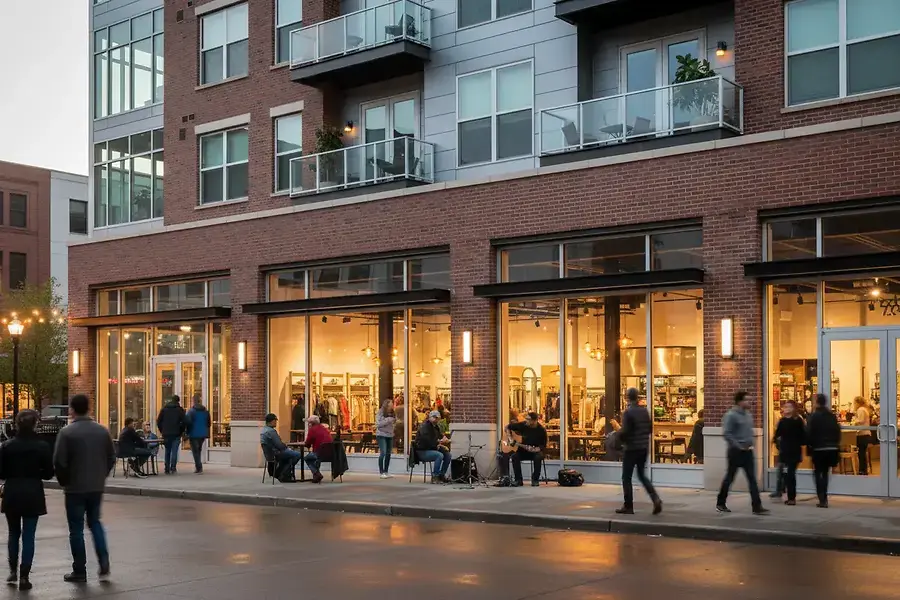
Oklahoma City is experiencing a remarkable transformation in its real estate market, with mixed-use properties emerging as one of the most dynamic investment opportunities available today. These innovative properties, which combine residential and commercial spaces under one roof or within the same development, are reshaping how people live, work, and do business in the city.
The shift toward mixed-use development reflects broader trends in urban planning and consumer preferences. More investors and residents are recognizing the value of walkable communities where daily necessities and entertainment are within arm's reach. Oklahoma City's strategic investment in infrastructure and its business-friendly environment have made it an ideal location for this type of development.
Why is this trend significant for investors? Mixed-use properties offer multiple revenue streams, lower vacancy rates, and increased property values compared to single-use developments. They create vibrant neighborhoods that attract both residents and businesses, making them resilient investments even during economic fluctuations.
Understanding Residential-Commercial Properties: What They Are and Why They Matter
Defining Mixed-Use Properties
Mixed-use properties are developments that integrate two or more uses—typically residential units above or adjacent to retail, office, or hospitality spaces. This vertical or horizontal integration creates self-contained communities where residents can live, shop, dine, and work without extensive commuting.
The Investment Advantages
Mixed-use properties offer several compelling benefits for investors:
- Diversified Income Streams: Residential leases and commercial rents provide multiple revenue sources, reducing dependency on a single market segment.
- Higher Occupancy Rates: The complementary nature of residential and commercial spaces means higher overall occupancy and tenant retention.
- Increased Property Values: Mixed-use developments typically appreciate faster than single-use properties due to their versatility and appeal.
- Tax Benefits: Investors can leverage depreciation schedules and deductions across both residential and commercial components.
- Community Appeal: These properties create vibrant neighborhoods that attract quality tenants and support long-term sustainability.
Why Oklahoma City Investors Should Pay Attention
Oklahoma City's affordable real estate compared to other major metropolitan areas, combined with steady population growth and business expansion, creates an ideal environment for mixed-use development. The city's commitment to downtown revitalization and neighborhood improvement initiatives further enhances investment potential.
Key Neighborhoods Embracing Mixed-Use Development in Oklahoma City
Bricktown
Bricktown remains Oklahoma City's premier mixed-use destination. This historic district has successfully transformed into a vibrant neighborhood featuring upscale lofts, restaurants, entertainment venues, and retail spaces. The area's established infrastructure and proven track record make it attractive for both investors and residents.
Midtown
Midtown is rapidly emerging as a trendy mixed-use hub, with new developments featuring modern apartments, boutique shops, and dining establishments. The neighborhood's younger demographic and walkable streets make it particularly appealing for investors targeting millennial and Gen Z renters.
Plaza District
This artsy neighborhood is experiencing significant revitalization with mixed-use projects that blend creative spaces, residential units, and local businesses. The area's cultural appeal and community-focused development make it an exciting investment opportunity.
Deep Deuce
Deep Deuce's historic significance combined with modern development initiatives creates unique mixed-use opportunities. The neighborhood's cultural heritage and ongoing investment make it a compelling choice for investors seeking both financial returns and community impact.
Automobile Alley
This emerging neighborhood is transforming from its industrial past into a mixed-use destination with loft apartments, galleries, restaurants, and creative businesses. Early investors in this area are positioned to benefit from significant appreciation as development continues.
How to Evaluate and Invest in Mixed-Use Properties: A Practical Guide
Conduct Thorough Market Analysis
Before investing, analyze local market trends, demographic data, and economic indicators. Look for neighborhoods with population growth, rising employment rates, and planned infrastructure improvements. Understanding the local market helps you identify properties with strong appreciation potential.
Evaluate the Property's Mixed-Use Composition
Examine the ratio of residential to commercial space and the quality of both components. Strong mixed-use properties typically feature:
- Balanced residential and commercial space allocation
- High-quality commercial tenants with long-term leases
- Modern residential units with competitive amenities
- Flexible layouts that can adapt to market changes
Assess Location and Walkability
Location is paramount for mixed-use properties. Evaluate proximity to public transportation, parking availability, pedestrian traffic patterns, and nearby amenities. Properties in highly walkable areas command premium rents and attract quality tenants.
Review Financial Performance
Analyze the property's current income, operating expenses, and cap rate. Compare these metrics against similar properties in the area. Request detailed tenant information, lease terms, and occupancy history. Strong financial fundamentals indicate a property's ability to generate consistent returns.
Understand Zoning and Regulatory Requirements
Mixed-use properties operate under specific zoning regulations. Verify that the property complies with local zoning laws and understand any restrictions on future modifications. Consult with local planning departments to ensure your investment plans align with municipal regulations.
Consider Management Complexity
Mixed-use properties require sophisticated management to balance residential and commercial tenant needs. Evaluate whether you'll self-manage or hire professional management. Factor management costs into your financial projections.
Plan for Long-Term Growth
The best mixed-use investments are those positioned for long-term appreciation. Look for properties in neighborhoods with clear development trajectories and strong community support. Consider how the property will perform over a 10-20 year investment horizon.
Partner with Experienced Professionals
Work with real estate agents, attorneys, and accountants who specialize in mixed-use properties. Their expertise helps you navigate complex transactions, identify hidden opportunities, and optimize your investment structure for tax efficiency.
Conclusion
Mixed-use properties represent a compelling investment opportunity in Oklahoma City's evolving real estate market. By combining residential and commercial components, these properties offer diversified income streams, strong appreciation potential, and the satisfaction of contributing to vibrant community development.
Success in mixed-use investing requires thorough research, careful property evaluation, and strategic planning. By focusing on established and emerging neighborhoods, understanding market dynamics, and partnering with experienced professionals, you can position yourself to maximize returns while participating in Oklahoma City's exciting urban transformation.
The time to invest in Oklahoma City's mixed-use properties is now. With favorable market conditions, strong growth prospects, and proven investment models, savvy investors who act today are positioning themselves for substantial long-term wealth creation.


