Mixed-Use Properties in San Antonio: A Complete Investment Guide
Learn how residential-commercial properties are transforming neighborhoods and creating investment opportunities across San Antonio.

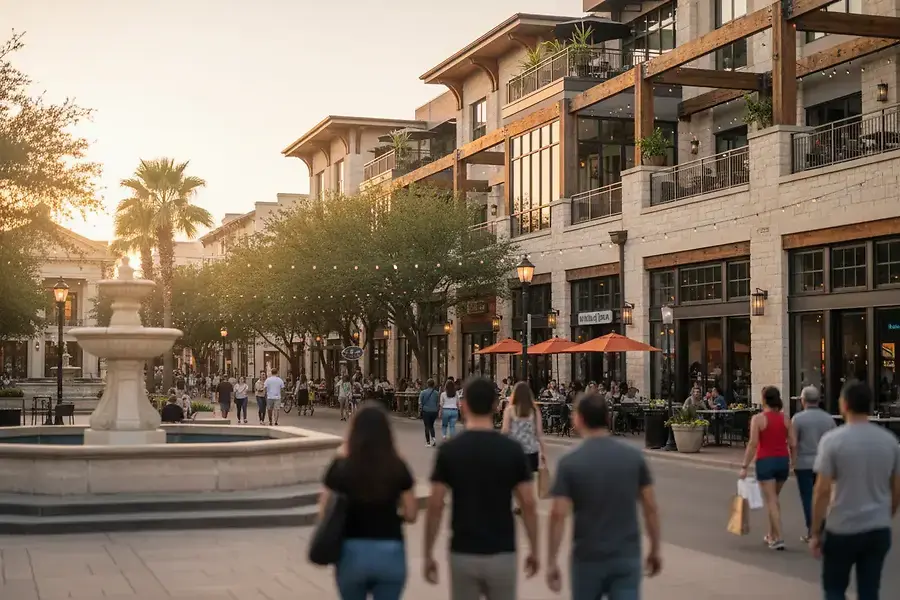
Introduction: The Growing Appeal of Mixed-Use Real Estate in San Antonio
San Antonio's real estate market is experiencing a significant transformation, with mixed-use properties emerging as one of the most dynamic investment opportunities in the city. These innovative developments combine residential living spaces with commercial establishments, creating vibrant communities that appeal to both investors and residents. The trend reflects a broader shift in how people want to live and work, prioritizing walkability, convenience, and community engagement.
Mixed-use properties represent more than just a real estate trend—they're reshaping the urban landscape of San Antonio. From downtown revitalization projects to neighborhood-level developments, these properties are attracting attention from institutional investors, small business owners, and homebuyers alike. Understanding this market segment is essential for anyone looking to capitalize on San Antonio's growing real estate opportunities.
Understanding Mixed-Use Properties: Residential and Commercial Combinations
What Are Mixed-Use Properties?
Mixed-use properties integrate residential units with commercial spaces in a single development or building. Common configurations include:
- Apartments or condos above ground-floor retail shops and restaurants
- Office spaces combined with residential lofts
- Hotels with residential units and dining establishments
- Townhomes with integrated commercial storefronts
This integration creates a self-contained ecosystem where residents can live, work, and shop without leaving the property or neighborhood.
Why Mixed-Use Properties Matter
Increased foot traffic benefits commercial tenants, while convenient amenities enhance residential appeal. Property owners benefit from diversified income streams, as rental revenue comes from both residential and commercial leases. This diversification reduces vacancy risk and stabilizes cash flow compared to single-use properties.
Key Neighborhoods Where Mixed-Use Properties Thrive in San Antonio
Downtown San Antonio
The heart of the city continues to attract major mixed-use developments. The River Walk area and surrounding downtown districts feature luxury apartments above boutique shops, restaurants, and entertainment venues. These properties command premium prices due to their prime location and high foot traffic.
Southtown Arts District
This creative neighborhood has become a hotbed for mixed-use development. Artists, young professionals, and entrepreneurs are drawn to properties that combine affordable living with workspace and gallery opportunities. The district's cultural vibrancy makes it increasingly attractive to investors seeking properties with strong appreciation potential.
Pearl District
Once an industrial area, the Pearl District has transformed into one of San Antonio's most sought-after mixed-use destinations. The neighborhood features upscale apartments, trendy restaurants, boutique shops, and office spaces all within walking distance. This successful revitalization demonstrates the potential for mixed-use development in transitional neighborhoods.
Alamo Heights and Terrell Hills
These affluent neighborhoods are increasingly incorporating mixed-use elements, with high-end residential properties paired with premium commercial spaces. These developments cater to residents seeking luxury living with convenient access to services and dining.
Investment Benefits and Practical Considerations for Buyers and Investors
Key Investment Benefits
Diversified Income Streams: Mixed-use properties generate revenue from multiple sources. A property with five residential units and three commercial spaces provides more stability than a single-use building with one income source.
Higher Occupancy Rates: When one sector experiences a downturn, the other may remain stable. Commercial tenants often sign longer leases, providing predictable income, while residential units typically turn over more frequently but maintain steady demand.
Property Appreciation: Mixed-use properties in revitalized neighborhoods often appreciate faster than single-use properties. The added amenities and community appeal drive long-term value growth.
Tax Advantages: Investors can benefit from depreciation deductions on both residential and commercial portions of the property, potentially reducing taxable income.
Practical Considerations
Complexity and Management: Mixed-use properties require more sophisticated management than single-use buildings. You'll need to coordinate residential and commercial tenant needs, which can be challenging. Many investors hire professional property management companies to handle these responsibilities.
Zoning and Regulations: Not all neighborhoods allow mixed-use development. Before investing, verify local zoning laws and building codes. Some areas have restrictions on commercial activity or specific requirements for mixed-use properties.
Higher Initial Investment: Mixed-use properties typically require larger capital investments than single-use properties. You'll need sufficient funding for acquisition, renovation, and working capital to cover potential vacancies during the lease-up phase.
Market Research: Success depends on understanding your target market. Research demographic trends, local business activity, and residential demand in your chosen neighborhood. Properties in areas with strong economic growth and population increases tend to perform better.
Financing Considerations
Lenders view mixed-use properties differently than single-use buildings. You may need to work with commercial lenders who understand the complexities of these properties. Interest rates and loan terms may differ from standard residential or commercial mortgages. Having strong financial documentation and a solid business plan will strengthen your financing application.
Conclusion: Positioning Yourself in San Antonio's Evolving Real Estate Market
Mixed-use properties represent a compelling investment opportunity in San Antonio's dynamic real estate market. They offer the potential for strong returns through diversified income streams, attractive appreciation prospects, and the satisfaction of contributing to neighborhood revitalization.
Success in this market requires thorough research, careful financial planning, and a clear understanding of your target neighborhood and tenant base. Whether you're a first-time investor or an experienced real estate professional, mixed-use properties deserve serious consideration as part of your investment portfolio.
As San Antonio continues to grow and evolve, mixed-use developments will likely play an increasingly important role in shaping the city's neighborhoods. By understanding the benefits, challenges, and opportunities these properties present, you can position yourself to capitalize on this exciting market segment and build long-term wealth through strategic real estate investment.


