Mixed-Use Properties in the Kansas City Metro Area: Complete Investment Guide
Discover how residential-commercial hybrid developments are reshaping Leawood, Overland Park, and Kansas City neighborhoods.

The Rise of Mixed-Use Development in Kansas City Metro
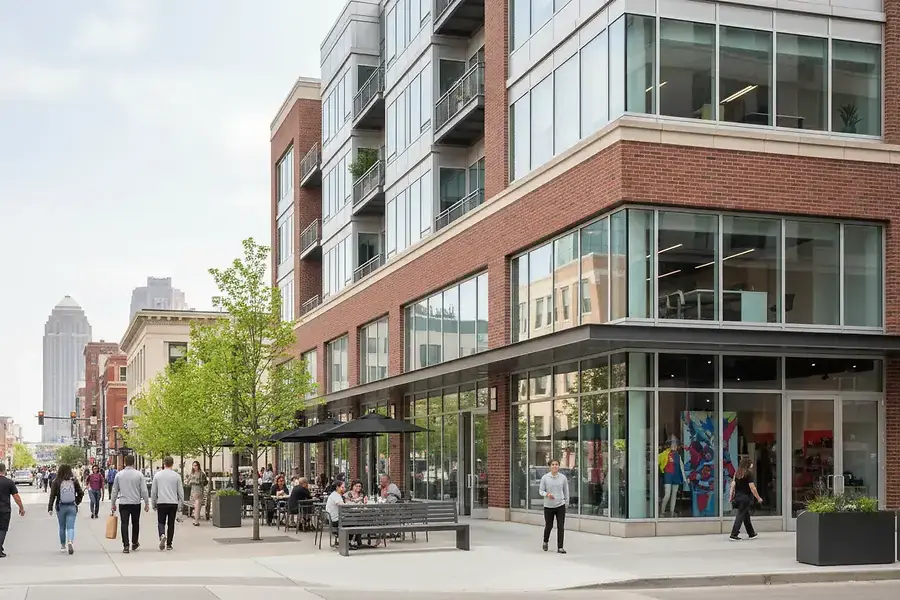
The Kansas City metropolitan area is experiencing a transformative shift in real estate development. Mixed-use properties—developments that combine residential, commercial, and often retail spaces under one roof—are becoming increasingly popular among investors and developers. This trend reflects a broader change in how people want to live and work, with many seeking walkable communities where they can live, shop, dine, and conduct business without extensive commuting.
The Kansas City Metro has emerged as a prime location for mixed-use development, thanks to its strategic geographic position, growing population, and business-friendly environment. Cities like Leawood, Overland Park, and Kansas City proper are leading this charge, transforming traditional neighborhoods into vibrant, integrated communities.
Market Trends: Why Investors Are Choosing Residential-Commercial Properties
Economic Resilience and Diversified Revenue Streams
Mixed-use properties offer investors a unique advantage: diversified income sources. Rather than relying solely on residential or commercial tenants, property owners can generate revenue from multiple sectors simultaneously. This diversification provides greater financial stability and reduces the risk associated with market fluctuations in any single sector.
Growing Demand for Walkable Communities
Modern consumers, particularly millennials and Gen Z professionals, increasingly prefer walkable neighborhoods where amenities are within reach. Mixed-use developments satisfy this demand by creating environments where residents can access restaurants, retail shops, offices, and entertainment venues on foot. This preference has driven significant appreciation in mixed-use properties across the Kansas City Metro.
Urban Revitalization and Neighborhood Growth
Mixed-use developments are catalysts for urban revitalization. They attract new residents and businesses to previously underutilized areas, spurring additional investment and infrastructure improvements. This creates a positive feedback loop that benefits both property owners and surrounding communities.
Tax Incentives and Development Support
Kansas City and surrounding municipalities offer various tax incentives and development programs to encourage mixed-use projects. These include:
- Tax increment financing (TIF) districts
- Property tax abatements for new development
- Opportunity Zone benefits
- Historic preservation tax credits
Location Spotlight: Best Mixed-Use Opportunities in Leawood, Overland Park, and Kansas City
Leawood: Premium Mixed-Use Development
Leawood, known for its affluent demographics and strong commercial base, offers premium mixed-use opportunities. The city's strategic location in Johnson County makes it attractive for developers targeting high-income residents and established businesses. Key areas for mixed-use investment include developments near major retail corridors and office parks, where residential components can serve the professional workforce.
Investment Appeal: Strong demographic profile, excellent schools, and established infrastructure make Leawood ideal for upscale mixed-use properties targeting professionals and families.
Overland Park: Balanced Growth and Accessibility
Overland Park represents a balanced opportunity for mixed-use investment. The city's size and growth trajectory create numerous development sites, while its diverse economy supports both residential and commercial components. The downtown revitalization efforts have created particularly attractive opportunities for mixed-use projects that blend historic charm with modern amenities.
Investment Appeal: Growing population, diverse business environment, and ongoing downtown development initiatives create multiple entry points for investors of various scales.
Kansas City Proper: Urban Revitalization and Cultural Hub
Kansas City proper offers the most dynamic mixed-use opportunities, particularly in neighborhoods undergoing revitalization. Areas like Crossroads, Midtown, and the River Market District are seeing significant investment in mixed-use developments that combine loft apartments, street-level retail, and office space. These neighborhoods attract creative professionals, entrepreneurs, and young families seeking urban living experiences.
Investment Appeal: Cultural attractions, emerging neighborhoods, and strong community momentum create compelling opportunities for value-add mixed-use investments.
Getting Started: How to Evaluate and Invest in Mixed-Use Properties
Conduct Thorough Market Analysis
Before investing in any mixed-use property, conduct comprehensive market research. Analyze:
- Local population growth trends and demographics
- Commercial vacancy rates and rental rates
- Residential demand and price appreciation patterns
- Competition from existing and planned mixed-use developments
- Local zoning regulations and development restrictions
Evaluate the Tenant Mix and Lease Terms
The success of a mixed-use property depends heavily on its tenant composition. Look for properties with stable, long-term tenants in both residential and commercial spaces. Review lease terms carefully, paying attention to renewal dates, rent escalation clauses, and tenant quality. A well-balanced mix of anchor tenants and smaller businesses provides stability and growth potential.
Assess Location and Accessibility
Location is paramount in mixed-use real estate. Evaluate proximity to:
- Public transportation and major roadways
- Employment centers and business districts
- Schools, parks, and recreational facilities
- Retail and dining establishments
- Healthcare and professional services
Understand Financial Metrics
Analyze key financial indicators including capitalization rate (cap rate), cash-on-cash return, and debt service coverage ratio. Mixed-use properties often command premium valuations, so ensure the financial fundamentals support the investment thesis. Consider both current income and appreciation potential.
Partner with Local Experts
Success in mixed-use real estate requires deep local knowledge. Work with experienced real estate agents, property managers, and attorneys familiar with Kansas City Metro regulations and market dynamics. Their expertise can help you identify opportunities, navigate zoning issues, and optimize property management strategies.
Plan for Active Management
Mixed-use properties require more sophisticated management than single-use properties. Budget for professional property management that can handle diverse tenant needs, coordinate maintenance across multiple use types, and optimize the property's performance. The complexity is offset by the potential for higher returns and greater resilience.
Conclusion
Mixed-use properties represent a compelling investment opportunity in the Kansas City Metro area. The combination of growing demand for walkable communities, diversified revenue streams, and strong local market fundamentals creates an attractive environment for investors. Whether you're targeting the premium market in Leawood, the balanced growth of Overland Park, or the urban revitalization opportunities in Kansas City proper, mixed-use developments offer the potential for strong returns and meaningful community impact.
By conducting thorough due diligence, partnering with local experts, and maintaining a long-term perspective, investors can capitalize on this transformative trend and build a successful mixed-use real estate portfolio in the Kansas City Metro.


