Mixed-Use Properties in Upstate SC: Commercial and Residential Opportunities
Discover how residential/commercial hybrid properties in Greenville, Greer, and Easley are creating profitable investment opportunities for savvy real estate investors.

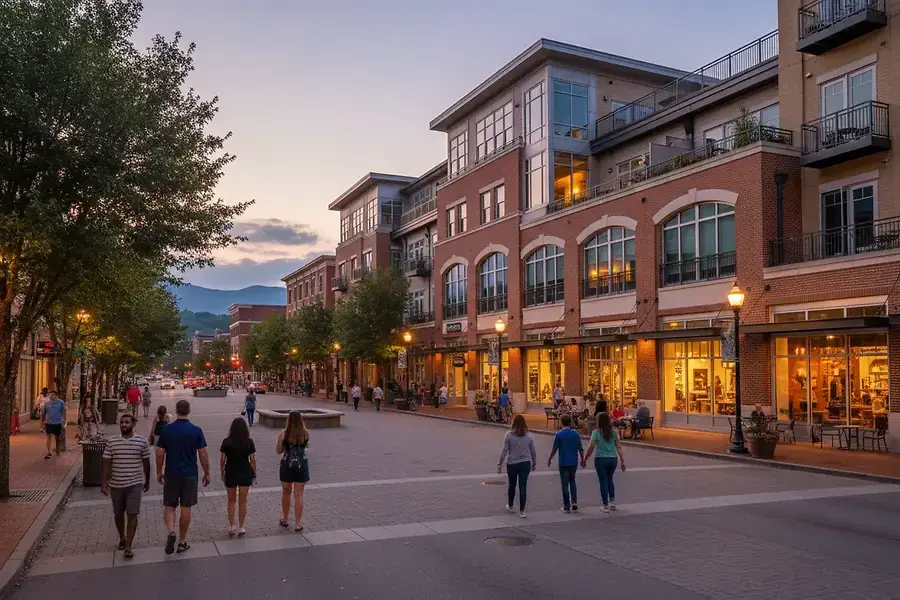
The Rise of Mixed-Use Development in Upstate South Carolina
Upstate South Carolina is experiencing a real estate transformation unlike anything seen in recent years. The region's economic growth, coupled with increasing urbanization, has sparked a surge in mixed-use property development. These hybrid properties—combining residential units with commercial spaces—are reshaping how investors approach real estate in Greenville, Greer, Easley, and surrounding communities.
The appeal is clear: mixed-use properties offer diversified income streams, reduced vacancy risks, and alignment with modern consumer preferences for walkable, vibrant communities. For investors seeking to maximize returns while minimizing exposure to single-market fluctuations, these properties represent a compelling opportunity.
What Are Residential/Commercial Properties and Why They Matter
Understanding the Mixed-Use Model
Mixed-use properties integrate residential apartments or condos with ground-floor retail, restaurants, offices, or service-based businesses. A typical example might feature 10-20 residential units above a row of commercial storefronts. This vertical integration creates synergy—residents become customers for ground-floor businesses, while commercial tenants drive foot traffic that benefits the entire property.
Why Investors Are Taking Notice
Several factors make mixed-use properties attractive:
- Multiple Revenue Streams: Rental income from both residential and commercial tenants reduces dependency on a single market segment
- Higher Occupancy Rates: When one sector softens, the other often remains stable, protecting overall returns
- Premium Valuations: Mixed-use properties typically command higher per-unit prices than single-use alternatives
- Tenant Retention: Residential tenants appreciate convenient access to services, while commercial tenants benefit from built-in customer bases
- Urban Appeal: Younger demographics and professionals increasingly prefer walkable neighborhoods with integrated amenities
Top Mixed-Use Markets: Greenville, Greer, Easley, and Beyond
Greenville: The Regional Hub
Greenville stands as the crown jewel of Upstate mixed-use development. Downtown Greenville's revitalization has created premium opportunities for investors. The Falls Street district, Main Street corridor, and surrounding neighborhoods showcase thriving mixed-use projects with strong occupancy rates and appreciation potential. The city's growing tech sector and expanding job market continue to drive demand for both residential and commercial space.
Greer: The Emerging Powerhouse
Greer is rapidly establishing itself as a secondary market with significant upside potential. With lower entry costs than Greenville and strong economic fundamentals, Greer offers investors value-oriented mixed-use opportunities. The city's manufacturing heritage combined with modern development initiatives creates a unique investment landscape.
Easley: The Growth Frontier
Easley represents the frontier of mixed-use development in Upstate SC. As the region expands outward, Easley's strategic location and affordable land costs make it attractive for developers and investors seeking early-stage opportunities with substantial long-term appreciation potential.
Beyond the Big Three
Communities like Mauldin, Simpsonville, and Taylors are also experiencing mixed-use development momentum. Smart investors are identifying emerging neighborhoods before they reach peak valuations.
How to Evaluate and Invest in Residential/Commercial Properties: A Practical Guide
Assess Market Fundamentals
Before investing, evaluate the local market's health:
- Population growth trends and demographic shifts
- Employment opportunities and major employers in the area
- Commercial real estate vacancy rates and rental trends
- Residential demand and price appreciation history
- Infrastructure development and future growth plans
Analyze the Property's Financial Performance
Examine historical and projected cash flows from both residential and commercial components. Calculate key metrics including:
- Cap Rate: Net operating income divided by property value
- Cash-on-Cash Return: Annual cash flow relative to initial investment
- Debt Service Coverage Ratio: Ability to cover mortgage payments from rental income
- Occupancy Rates: Historical and projected tenant occupancy for both segments
Evaluate Tenant Quality and Lease Terms
Review existing leases carefully. Long-term, creditworthy tenants provide stability, while short-term or problematic tenants signal risk. Understand lease expiration dates, renewal options, and rent escalation clauses. Strong commercial tenants with established track records reduce investment risk significantly.
Consider Location and Accessibility
Location remains paramount. Properties with high visibility, convenient parking, and proximity to complementary businesses perform better. Walkability scores, public transportation access, and nearby amenities influence both residential and commercial tenant satisfaction.
Understand Zoning and Regulatory Environment
Verify that the property's current use aligns with zoning regulations. Understand local development plans, parking requirements, and any restrictions that might affect future modifications or expansions. Engage with local planning departments to understand growth trajectories.
Plan for Management Complexity
Mixed-use properties require sophisticated property management. Managing diverse tenant types, coordinating maintenance across residential and commercial spaces, and addressing competing needs demands expertise. Factor management costs into your financial projections, or budget for professional management services.
Leverage Financing Strategically
Mixed-use properties often qualify for favorable financing terms due to their diversified income streams. Work with lenders experienced in this property type to secure competitive rates and terms. Consider how leverage impacts your overall returns and risk profile.
Conclusion: Positioning Yourself in the Upstate's Fastest-Growing Real Estate Segment
Mixed-use properties in Upstate South Carolina represent a compelling investment thesis for those willing to understand the nuances of this property type. Greenville's maturity, Greer's emergence, and Easley's frontier status each offer distinct opportunities suited to different investor profiles and risk tolerances.
Success requires thorough due diligence, financial analysis, and an understanding of local market dynamics. However, for investors who master these fundamentals, mixed-use properties offer the potential for superior returns, reduced risk through diversification, and alignment with long-term demographic and economic trends shaping Upstate South Carolina.
The window for entry into this market remains open, but competition is intensifying. Now is the time to educate yourself, connect with local experts, and position your portfolio to capitalize on Upstate SC's mixed-use real estate boom.


