Mixed-Use Properties in Williamsburg: A Guide to Maximizing Investment Returns
How residential-commercial hybrid investments are transforming Williamsburg's real estate market and creating lucrative opportunities for savvy investors.

The Rise of Mixed-Use Development in Williamsburg
Williamsburg has emerged as one of the most dynamic real estate markets in the region, with mixed-use properties leading the charge in transforming the neighborhood's landscape. These innovative developments—combining residential units with commercial spaces—are attracting investors seeking diversified income streams and long-term appreciation potential. The convergence of urban revitalization, demographic shifts, and changing consumer preferences has created an unprecedented opportunity for those willing to understand and capitalize on this trend.
The appeal of mixed-use properties lies in their ability to generate multiple revenue sources from a single asset. Unlike traditional single-use investments, these hybrid properties offer resilience against market fluctuations and provide investors with greater flexibility in adapting to economic changes. As Williamsburg continues to evolve, mixed-use developments are becoming the gold standard for forward-thinking investors.
Understanding Residential-Commercial Hybrid Properties and Their Market Advantages
What Are Mixed-Use Properties?
Mixed-use properties integrate residential apartments or condominiums with ground-floor retail, office space, or hospitality venues. This vertical integration creates vibrant, walkable communities where residents can live, work, and shop without leaving the building or immediate vicinity. The model has proven particularly successful in urban neighborhoods like Williamsburg, where density and convenience are highly valued.
Key Financial Advantages
Investors in mixed-use properties benefit from several compelling financial advantages:
- Diversified Income Streams: Residential leases and commercial tenants provide multiple revenue sources, reducing dependency on any single tenant or market segment.
- Higher Occupancy Rates: The complementary nature of residential and commercial spaces often results in stronger overall occupancy compared to single-use properties.
- Premium Rental Rates: Tenants value the convenience and walkability of mixed-use developments, allowing landlords to command higher rents.
- Appreciation Potential: Mixed-use properties in revitalized neighborhoods typically appreciate faster than conventional investments.
- Tax Benefits: Investors can leverage depreciation deductions across multiple property types, optimizing their tax position.
Market Resilience and Adaptability
Mixed-use properties demonstrate remarkable resilience during economic downturns. When residential demand softens, commercial tenants may remain stable, and vice versa. This natural hedge provides investors with greater peace of mind and more predictable cash flows. Additionally, the flexibility to adjust tenant mix—converting underperforming retail to office space or residential units—allows owners to respond quickly to market changes.
Key Neighborhoods and Properties Driving Mixed-Use Growth
The Williamsburg Waterfront District
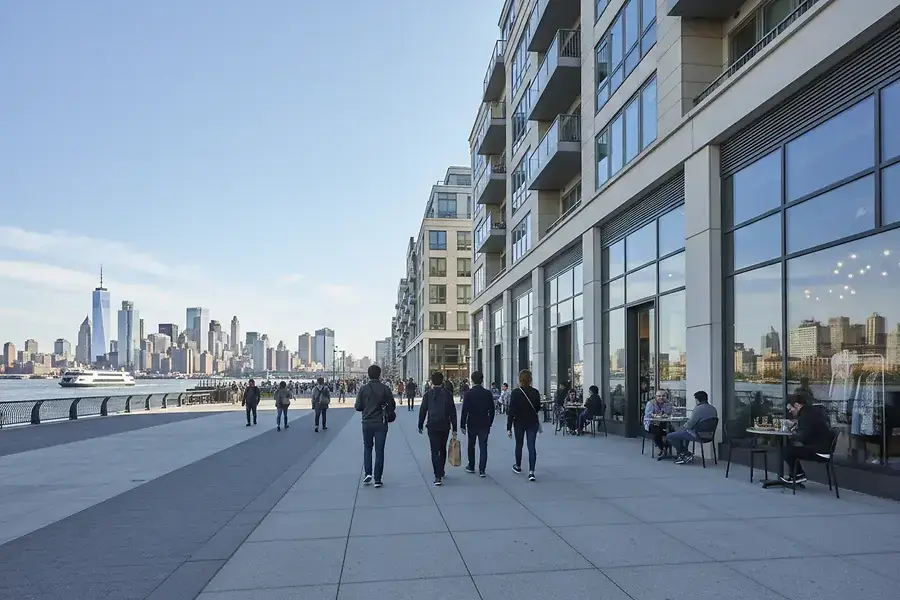
The waterfront area has become the epicenter of mixed-use development in Williamsburg. Properties here combine luxury residential units with high-end retail, restaurants, and entertainment venues. The scenic views and walkable waterfront promenade attract both residents and commercial tenants, creating a self-reinforcing cycle of demand and appreciation. Investors in this district have seen remarkable returns as the area continues to attract affluent residents and premium retailers.
The Arts and Culture Corridor
Williamsburg's thriving arts scene has catalyzed mixed-use development along the cultural corridor. Properties here blend residential spaces with galleries, creative studios, and performance venues. This unique positioning appeals to artists, cultural enthusiasts, and young professionals seeking authentic, vibrant neighborhoods. The cultural cachet of these properties provides a competitive advantage and supports premium pricing.
The Transit-Oriented Development Zone
Properties near major transit hubs have become prime targets for mixed-use investment. These locations offer exceptional convenience for residents and commercial tenants alike, reducing reliance on personal vehicles. Transit-oriented mixed-use developments command strong demand and demonstrate consistent appreciation, making them particularly attractive to institutional investors and REITs.
Investment Considerations for Each Area
When evaluating mixed-use properties in Williamsburg, investors should consider:
- Proximity to transit, employment centers, and amenities
- Demographic trends and population growth projections
- Local zoning regulations and development pipeline
- Tenant quality and lease terms for both residential and commercial spaces
- Building condition, age, and capital expenditure requirements
- Competitive landscape and market saturation
Positioning Yourself in Williamsburg's Evolving Real Estate Landscape
Strategic Investment Approaches
Value-Add Opportunities: Investors with renovation expertise can identify underperforming mixed-use properties and unlock value through strategic improvements, tenant optimization, and repositioning. These deals often offer the highest returns for active investors willing to manage the execution risk.
Core-Plus Investments: Stabilized mixed-use properties with strong tenant rosters and consistent cash flows appeal to investors seeking lower-risk, income-focused returns. These properties provide steady appreciation potential with minimal operational complexity.
Development Plays: For investors with development expertise and capital, ground-up mixed-use development in emerging Williamsburg neighborhoods offers significant upside potential, though with correspondingly higher risk and longer time horizons.
Due Diligence Essentials
Successful mixed-use investing requires thorough due diligence. Investors should conduct comprehensive market analysis, evaluate tenant credit quality and lease terms, assess physical property condition, and model various economic scenarios. Understanding local zoning, parking requirements, and regulatory constraints is equally critical, as these factors significantly impact project feasibility and returns.
The Path Forward
Mixed-use properties represent a compelling investment thesis for those seeking to capitalize on Williamsburg's transformation. By understanding the unique advantages of these hybrid assets, identifying high-potential neighborhoods, and executing disciplined investment strategies, investors can position themselves to achieve superior returns while contributing to the neighborhood's continued evolution.
The convergence of urban revitalization, demographic trends, and changing real estate preferences has created a rare window of opportunity in Williamsburg. The question is not whether mixed-use properties will continue to drive the market, but whether you'll be positioned to benefit from this transformation.


