Mixed-Use Properties: Investment Opportunities Across the St. Louis Metro Region
A practical guide to identifying and investing in properties that combine commercial and residential potential across Saint Louis, Creve Coeur, and O'Fallon.

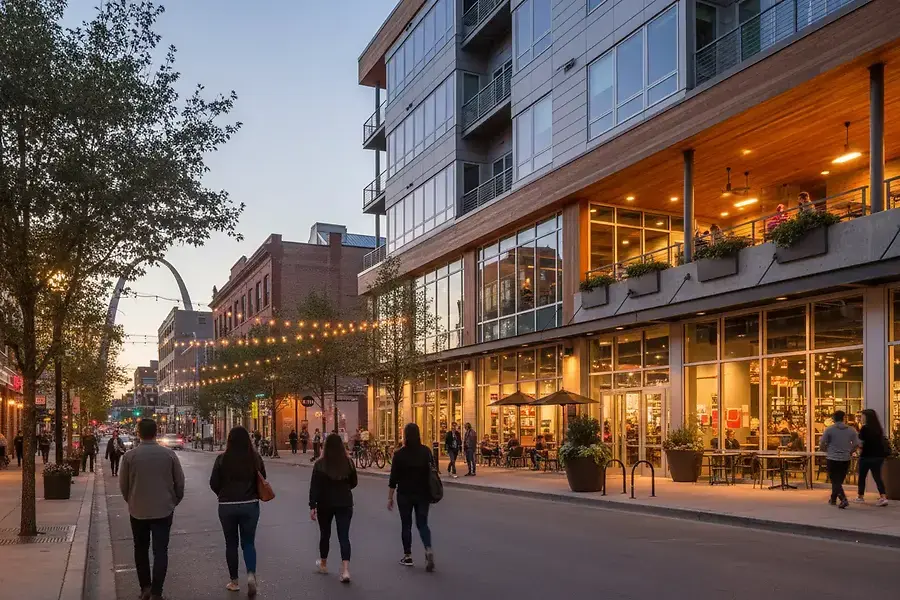
The Rise of Mixed-Use Development in the Metro East
The St. Louis metropolitan region is experiencing a significant shift in real estate development patterns. Mixed-use properties—developments that combine residential, commercial, and sometimes office or entertainment spaces—have become increasingly attractive to both investors and developers. This trend reflects broader changes in how people want to live, work, and spend their leisure time.
The appeal of mixed-use developments lies in their versatility and income-generating potential. Rather than relying on a single revenue stream, these properties create multiple opportunities for profit through diverse tenant bases and customer demographics. For savvy investors, this represents a compelling opportunity to build wealth while contributing to the revitalization of communities across the metro region.
Understanding Mixed-Use Property Types and Their Market Appeal
Common Mixed-Use Property Configurations
Mixed-use properties take many forms, each with distinct advantages and challenges. Understanding these variations is essential for making informed investment decisions:
- Residential-over-Retail: Apartments or condos situated above ground-floor retail spaces. This classic configuration maximizes land value and creates vibrant street-level activity.
- Live-Work Spaces: Units designed for entrepreneurs and professionals who want to operate businesses from their homes, popular among creative professionals and consultants.
- Residential-Office Hybrids: Properties combining apartments with professional office spaces, ideal for serving growing remote work and small business communities.
- Entertainment Districts: Larger developments integrating residential units with restaurants, bars, entertainment venues, and retail establishments.
- Hospitality-Residential Blends: Hotels or short-term rental properties combined with permanent residential units, capturing both tourism and long-term rental markets.
Why Investors Are Drawn to Mixed-Use Properties
The financial benefits of mixed-use investments extend beyond simple rent collection. Diversified income streams reduce risk by ensuring that if one sector underperforms, others can compensate. Higher property valuations typically result from mixed-use configurations, as appraisers recognize the enhanced earning potential. Additionally, these properties often benefit from increased foot traffic, which supports retail tenants and creates a more desirable living environment for residents.
Mixed-use properties also tend to appreciate faster than single-use alternatives, particularly in revitalizing neighborhoods where the combination of residential and commercial activity catalyzes broader community development.
Investment Opportunities: Comparing Saint Louis, Creve Coeur, and O'Fallon Markets
Saint Louis: Urban Density and Historic Charm
Saint Louis offers the most mature mixed-use market in the region. Downtown and midtown neighborhoods feature numerous conversion opportunities—historic buildings being transformed into loft apartments with ground-floor retail or restaurants. The city's walkable neighborhoods and established infrastructure make it attractive to younger professionals and empty-nesters seeking urban lifestyles.
Investment considerations: Properties in Saint Louis typically command premium prices but offer strong tenant demand and cultural amenities that support retail operations. Look for opportunities in neighborhoods experiencing revitalization, where property values are rising but haven't yet peaked.
Creve Coeur: Suburban Sophistication
Creve Coeur represents a middle ground between urban density and suburban comfort. This affluent suburb has begun embracing mixed-use development, particularly around its commercial corridors. New developments here cater to professionals who want suburban living with convenient access to shopping, dining, and services.
Investment considerations: Creve Coeur's demographic profile—higher household incomes and education levels—supports premium retail and dining establishments. Mixed-use properties here often command strong rents and attract quality tenants. The market is less saturated than Saint Louis, potentially offering better entry points for investors.
O'Fallon: Emerging Growth Market
O'Fallon represents the frontier of mixed-use development in the metro region. As one of the fastest-growing communities in the area, O'Fallon is actively planning and zoning for mixed-use developments. Early investors in this market can position themselves ahead of the growth curve.
Investment considerations: O'Fallon offers lower acquisition costs compared to established markets, but requires more patience for appreciation. The younger demographic and family-oriented community create strong demand for residential units, while growing commercial activity supports retail tenants. This market rewards investors with a longer time horizon and confidence in the region's growth trajectory.
Comparative Market Analysis
Saint Louis: Established market, higher prices, proven demand | Creve Coeur: Premium demographics, moderate growth, quality tenants | O'Fallon: Emerging opportunity, lower entry costs, strong growth potential
Key Factors for Successful Mixed-Use Investment
Location and Accessibility
The success of mixed-use properties depends heavily on location. Properties near public transportation, major intersections, or established commercial districts perform better than isolated locations. Walkability scores and proximity to amenities significantly impact both residential appeal and retail viability.
Tenant Mix and Management
The quality of your tenant mix directly affects property performance. A well-curated selection of complementary retail tenants creates synergy—a coffee shop supports foot traffic for nearby boutiques, which in turn attracts residents. Professional property management becomes even more critical in mixed-use settings, where coordinating diverse tenant needs requires expertise.
Financing and Capital Requirements
Mixed-use properties often require larger capital investments and more complex financing than single-use properties. Lenders may view them as higher-risk, potentially requiring larger down payments or higher interest rates. Understanding your financing options before making offers is essential.
Positioning Yourself as a Mixed-Use Property Expert
Success in mixed-use real estate requires more than capital—it demands knowledge, patience, and strategic thinking. Start by studying comparable properties in your target market. Understand the demographics, traffic patterns, and economic drivers of each neighborhood. Network with other investors, property managers, and commercial brokers who specialize in mixed-use developments.
Consider starting with smaller properties or partnerships to gain experience before committing to larger investments. Each market—Saint Louis, Creve Coeur, and O'Fallon—presents distinct opportunities for investors willing to do their homework and think long-term.
The St. Louis metro region's mixed-use market is poised for continued growth. By understanding property types, comparing markets, and focusing on quality locations and management, you can build a profitable portfolio that capitalizes on this emerging trend. The time to position yourself as a mixed-use property expert is now.


