Mixed-Use Properties: Investment Opportunities in Central Kentucky
Discover how residential-commercial hybrid properties are reshaping real estate investment strategies across the Bluegrass region.

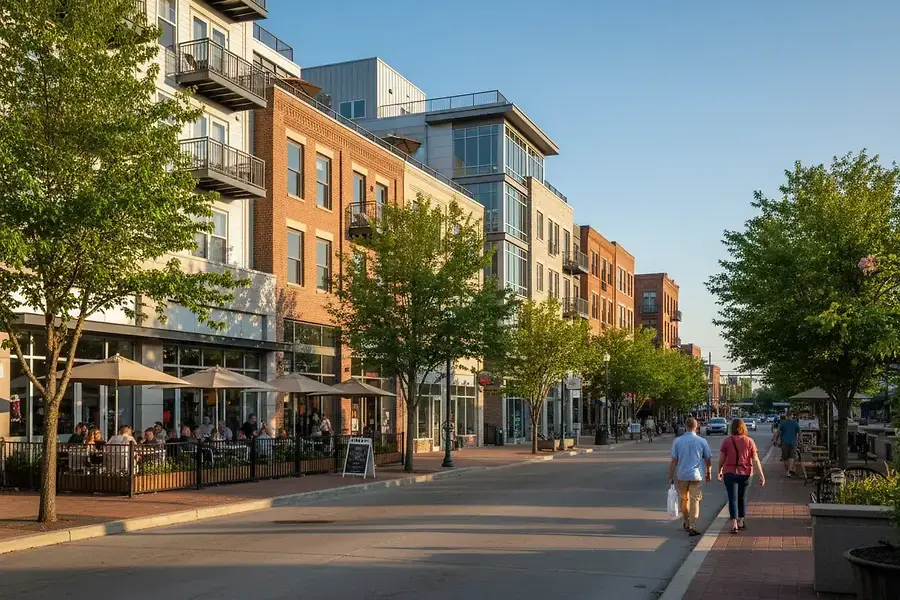
The Rise of Mixed-Use Development in Central Kentucky
Central Kentucky's real estate landscape is undergoing a significant transformation. Mixed-use properties—developments that combine residential, commercial, and sometimes office or entertainment spaces—are becoming increasingly popular among investors and developers throughout the Bluegrass region. This shift reflects broader national trends toward walkable, vibrant communities where people can live, work, and play in close proximity.
The appeal is clear: mixed-use properties offer diversified income streams, reduced vacancy risks, and the ability to capitalize on the growing demand for urban living experiences. Whether you're a seasoned investor or exploring real estate opportunities for the first time, understanding this emerging market segment could unlock significant financial potential.
Understanding Residential-Commercial Hybrid Properties and Their Market Advantages
What Are Mixed-Use Properties?
Mixed-use properties integrate multiple real estate functions within a single development or building. Typically, you'll find ground-floor retail or office spaces with residential apartments or condominiums above. Some developments also incorporate restaurants, entertainment venues, or professional services.
Key Market Advantages
Investing in mixed-use properties offers several compelling benefits:
- Revenue Diversification: Multiple income sources reduce dependence on any single tenant or market segment. If residential rents dip, commercial leases may remain stable.
- Higher Overall Returns: Mixed-use properties typically generate higher per-square-foot returns compared to single-use developments.
- Reduced Vacancy Risk: With multiple tenant types, you're less vulnerable to sector-specific downturns.
- Community Appeal: These properties create vibrant neighborhoods that attract quality tenants and support long-term appreciation.
- Financing Flexibility: Lenders often view mixed-use properties favorably due to their diversified revenue potential.
Market Trends in Central Kentucky
The region is experiencing strong demand for mixed-use developments. Millennials and Gen Z professionals are increasingly seeking walkable neighborhoods with convenient access to amenities. Simultaneously, small business owners are attracted to ground-floor retail spaces in residential-heavy areas where they can tap into a built-in customer base.
This convergence of demand creates an ideal environment for mixed-use investments. Property values in these developments have shown consistent appreciation, and occupancy rates remain robust across both residential and commercial components.
Top Mixed-Use Markets in Lexington, Georgetown, and Surrounding Communities
Lexington's Emerging Mixed-Use Hubs
Lexington, Kentucky's largest city, is leading the mixed-use revolution. Downtown Lexington has seen significant revitalization, with historic buildings converted into modern mixed-use spaces. The Distillery District and areas around Main Street offer excellent opportunities for investors seeking established markets with strong foot traffic.
Beyond downtown, neighborhoods like Northside and East Lexington are attracting developers interested in creating new mixed-use communities that blend residential comfort with local retail and dining options.
Georgetown's Growth Potential
Georgetown, located just north of Lexington, represents an emerging opportunity for mixed-use investors. As a charming historic town with growing population, Georgetown is experiencing increased interest from both residents and businesses. The downtown area shows particular promise for mixed-use development, with lower acquisition costs than Lexington but similar growth trajectories.
Surrounding Communities and Secondary Markets
Don't overlook smaller communities throughout Central Kentucky. Towns like Versailles, Frankfort, and Midway are experiencing population growth and increasing commercial activity. These secondary markets often offer:
- Lower entry costs for investors
- Less competition from large developers
- Strong community support for local development
- Significant upside potential as these areas continue to develop
Getting Started: How to Evaluate and Invest in Mixed-Use Real Estate
Conduct Thorough Market Research
Before investing, understand your target market deeply. Analyze demographic trends, employment growth, and population migration patterns. Look for areas experiencing population growth and economic development. Research local zoning laws and development plans—these can significantly impact your property's future value.
Evaluate Property-Specific Factors
When assessing a specific mixed-use property, consider:
- Location Quality: Proximity to transportation, amenities, and employment centers matters significantly.
- Tenant Mix: Analyze current tenants and their lease terms. Stable, long-term tenants reduce risk.
- Physical Condition: Mixed-use properties often require specialized maintenance. Budget accordingly.
- Income Stability: Review historical occupancy rates and rental income for both residential and commercial components.
- Growth Potential: Assess opportunities for rent growth and property appreciation.
Understand Financing Options
Mixed-use properties may require specialized financing. Traditional residential or commercial loans might not fit perfectly. Work with lenders experienced in mixed-use development. Some options include:
- Construction loans for new development
- Permanent financing combining residential and commercial components
- SBA loans for small business owners purchasing mixed-use properties
- Portfolio loans from specialized lenders
Partner with Local Experts
Success in mixed-use real estate requires local knowledge. Partner with experienced real estate agents, property managers, and attorneys familiar with Central Kentucky's market. These professionals can help you navigate zoning regulations, identify emerging opportunities, and manage the complexities of mixed-use properties.
Start Small and Scale
If you're new to mixed-use investing, consider starting with a smaller property or a minority stake in a larger development. This approach allows you to learn the market dynamics without overextending your capital. As you gain experience and confidence, you can pursue larger opportunities.
Conclusion
Mixed-use properties represent a compelling investment opportunity in Central Kentucky. The region's growing population, strong economic fundamentals, and increasing demand for walkable communities create an ideal environment for these hybrid developments. Whether you're interested in established markets like Lexington or emerging opportunities in secondary communities, mixed-use real estate offers the potential for diversified income, strong returns, and meaningful community impact.
The key to success is thorough research, careful property evaluation, and partnership with local experts who understand the nuances of Central Kentucky's real estate market. For investors willing to do their homework, mixed-use properties could be the next major component of a successful real estate portfolio.


