Mixed-Use Properties: Maximizing Returns Across Austin, San Antonio, and New Braunfels
Discover how commercial-residential hybrid properties are transforming real estate portfolios in Central Texas.

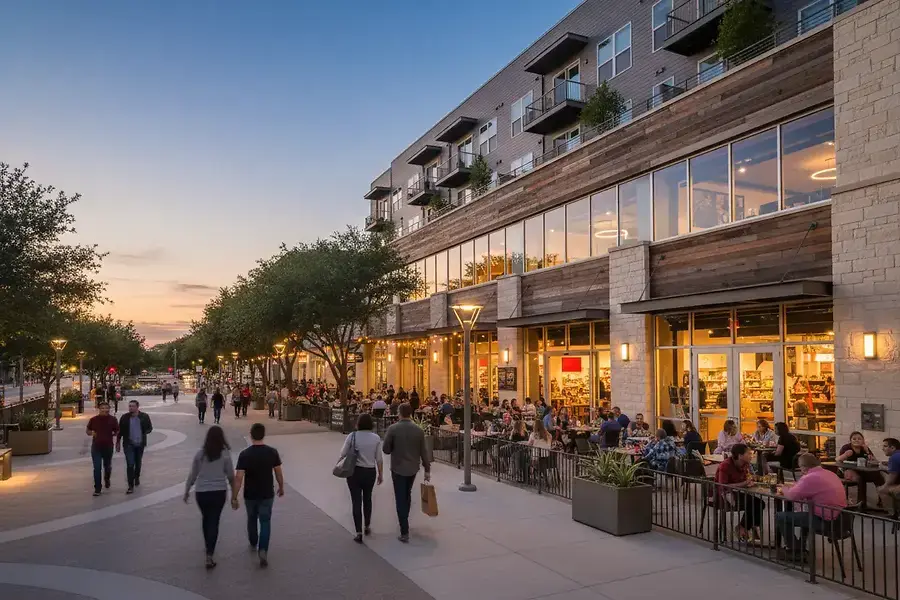
The Rise of Mixed-Use Development in Central Texas
The real estate landscape across Central Texas is experiencing a transformative shift. Mixed-use properties—developments that seamlessly blend residential, commercial, and sometimes hospitality spaces—are rapidly becoming the preferred investment choice for savvy developers and property owners. This evolution reflects changing consumer preferences, urbanization trends, and the economic vitality of the region.
Austin, San Antonio, and New Braunfels have emerged as prime markets for mixed-use development. These cities offer unique advantages: growing populations, strong job markets, and communities increasingly seeking walkable, vibrant neighborhoods. The convergence of these factors has created an ideal environment for properties that serve multiple purposes under one roof or within a unified development.
Unlike traditional single-use properties, mixed-use developments generate revenue from multiple streams, reduce vacancy risks, and create dynamic communities that attract both residents and businesses. This innovative approach to real estate is no longer a niche strategy—it's becoming the standard for forward-thinking investors.
Strategic Advantages of Residential-Commercial Properties for Investors and Owners
Diversified Revenue Streams
One of the most compelling advantages of mixed-use properties is the ability to generate income from multiple sources simultaneously. A single property might include ground-floor retail or office space, mid-level commercial offices, and upper-floor residential units. This diversification means that if one sector experiences a downturn, other revenue streams can offset losses.
Key benefits include:
- Residential leases providing stable, long-term income
- Commercial tenants offering higher per-square-foot rates
- Reduced overall vacancy risk across the property
- Flexibility to adjust tenant mix based on market conditions
Enhanced Property Value and Appreciation
Mixed-use properties typically command premium valuations compared to single-use alternatives. The versatility and income-generating potential make these properties attractive to a broader range of buyers and investors. As Central Texas continues to grow, these properties are positioned for significant appreciation.
The walkability factor also plays a crucial role. Properties in mixed-use developments that encourage foot traffic and community interaction tend to appreciate faster than isolated commercial or residential buildings. This creates a virtuous cycle where property values rise, attracting more investment and development.
Operational Efficiency and Cost Advantages
Managing a mixed-use property allows owners to optimize operational costs. Shared infrastructure, utilities, and maintenance services can be distributed across multiple revenue-generating components, improving overall profitability. A single management team can oversee residential, commercial, and common areas more efficiently than maintaining separate properties.
Community Building and Tenant Retention
Mixed-use developments naturally foster vibrant communities. When residents live, work, and shop in the same location, they develop stronger connections to the property and surrounding area. This sense of community leads to higher tenant retention rates and reduced turnover costs.
Businesses benefit from proximity to residential customers, while residents enjoy convenient access to services and employment opportunities.
Market Opportunities and Growth Potential in Austin, San Antonio, and New Braunfels
Austin: The Tech Hub's Expansion
Austin's explosive growth shows no signs of slowing. The city's thriving technology sector, coupled with an influx of young professionals, creates exceptional demand for mixed-use properties. Downtown Austin and emerging neighborhoods like East Austin, South Congress, and Mueller are hotbeds for mixed-use development.
Investors in Austin mixed-use properties benefit from:
- Strong rental demand from tech workers and young professionals
- High commercial lease rates driven by corporate expansion
- Continuous neighborhood revitalization and infrastructure improvements
- A culture that values walkable, urban living experiences
San Antonio: Cultural Diversity and Economic Growth
San Antonio's diverse economy and rich cultural heritage make it an underrated gem for mixed-use investment. The city's River Walk district, Southtown arts district, and emerging neighborhoods offer tremendous potential. With a large military presence, growing healthcare sector, and expanding tourism industry, San Antonio provides multiple demand drivers for mixed-use properties.
The affordability factor is significant. Compared to Austin, San Antonio offers lower entry costs while maintaining strong growth potential. This creates opportunities for investors seeking better value without sacrificing market fundamentals.
New Braunfels: The Emerging Opportunity
New Braunfels represents the frontier of Central Texas growth. Located between Austin and San Antonio, this city is experiencing rapid population growth and economic development. The downtown revitalization efforts and increasing commercial activity make it an attractive market for forward-thinking investors.
New Braunfels offers:
- Lower property costs than Austin or San Antonio
- Strong population growth and demographic tailwinds
- Emerging downtown district with revitalization potential
- Quality of life factors attracting remote workers and families
Regional Trends Driving Mixed-Use Demand
Several macro trends support mixed-use development across all three markets. The shift toward remote work has increased demand for flexible office spaces within residential communities. Environmental consciousness drives interest in walkable neighborhoods that reduce car dependency. Younger generations prioritize experiences and community over traditional suburban isolation.
Additionally, the pandemic accelerated the desire for properties that serve multiple purposes, allowing residents to live, work, and access services without extensive commuting.
Positioning Yourself for Success in Mixed-Use Real Estate
Due Diligence and Market Analysis
Success in mixed-use real estate begins with thorough market research. Understand local zoning regulations, demographic trends, and competitive landscapes in your target market. Each of the three cities has distinct characteristics that influence mixed-use development viability.
Strategic Location Selection
Location remains paramount. Focus on areas with strong foot traffic potential, proximity to employment centers, and existing or planned infrastructure improvements. Properties near transit corridors, entertainment districts, or emerging neighborhoods typically outperform isolated locations.
Adaptive Reuse Opportunities
Consider converting underutilized single-use properties into mixed-use developments. Historic buildings, vacant warehouses, and outdated commercial spaces present opportunities for creative redevelopment that can yield exceptional returns.
Partnership and Expertise
Mixed-use development requires diverse expertise. Partner with experienced developers, architects, and property managers who understand the complexities of managing multiple tenant types and uses. Local knowledge is invaluable in navigating regulatory requirements and market nuances.
The future of real estate in Central Texas belongs to those who recognize that the most valuable properties are those that serve multiple purposes and create vibrant, dynamic communities.
Long-Term Vision
Mixed-use properties reward patient investors with long-term vision. While initial development may be complex, the sustained revenue streams and appreciation potential justify the effort. Position your portfolio for the next decade of Central Texas growth by embracing mixed-use development today.


