Mixed-Use Properties: Maximizing Returns in LA's Dual-Purpose Market
Learn how residential-commercial hybrid properties are transforming investment opportunities in Beverly Hills and Los Angeles.

The Rise of Mixed-Use Real Estate in Southern California
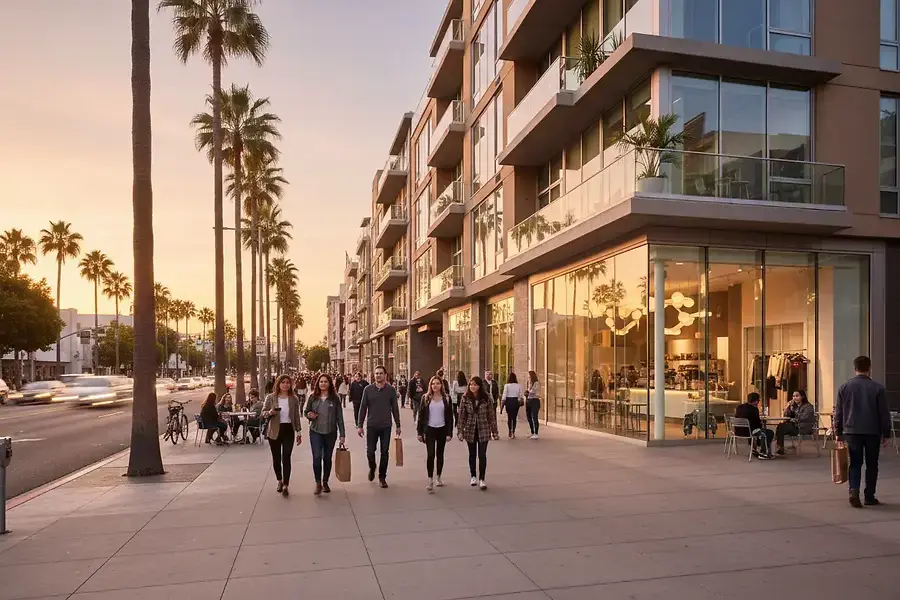
Los Angeles and Beverly Hills are experiencing a significant transformation in their real estate landscape. Mixed-use properties—developments that combine residential units with commercial spaces—are becoming increasingly popular among savvy investors seeking to maximize their returns. This trend reflects a fundamental shift in how people want to live and work, particularly in the post-pandemic era where flexibility and convenience have become paramount.
The appeal of mixed-use properties lies in their versatility and income-generating potential. Rather than investing in a single-purpose property, investors can now acquire assets that serve multiple functions: residential apartments above ground-floor retail, office spaces integrated with housing units, or entertainment venues paired with residential lofts. This hybrid approach has proven to be a game-changer in Southern California's competitive real estate market.
The demand for these properties continues to grow as urban dwellers seek walkable neighborhoods where they can live, work, and play without extensive commutes. This shift has made mixed-use developments particularly attractive in prime locations like Beverly Hills, West Hollywood, and Downtown Los Angeles.
Understanding Residential-Commercial Property Benefits and Market Demand
Revenue Diversification and Stability
One of the most compelling advantages of mixed-use properties is revenue diversification. Unlike traditional residential or commercial-only investments, mixed-use properties generate income from multiple sources. Residential tenants provide stable, long-term rental income, while commercial tenants—whether retail shops, restaurants, or offices—often sign longer leases and may offer higher per-square-foot rates.
This dual revenue stream creates a buffer against market fluctuations. If residential occupancy dips, commercial income can compensate, and vice versa. This stability is particularly valuable during economic downturns when investors need reliable cash flow.
Meeting Modern Urban Demand
Today's consumers and workers increasingly prefer walkable, mixed-use neighborhoods over sprawling suburban developments. They want to grab coffee, work, shop, and dine without getting in their cars. This preference has created unprecedented demand for properties that offer these integrated experiences.
- Millennials and Gen Z professionals prioritize urban convenience and community
- Remote workers seek vibrant neighborhoods with local amenities
- Families appreciate the ability to access services within walking distance
- Businesses benefit from foot traffic and proximity to residential customers
Higher Valuation and Appreciation Potential
Mixed-use properties typically command higher valuations than single-purpose buildings in comparable locations. The enhanced utility and income potential translate directly into increased property values. In markets like Beverly Hills and Los Angeles, where land is premium, maximizing a property's functional use significantly boosts its investment appeal and long-term appreciation prospects.
Key Strategies for Evaluating and Investing in Dual-Purpose Properties
Location Analysis and Market Research
Before investing in any mixed-use property, conduct thorough location analysis. Evaluate foot traffic patterns, demographic trends, and local zoning regulations. In Los Angeles, different neighborhoods have varying regulations regarding mixed-use development, so understanding local codes is essential.
The best mixed-use properties are located in areas with strong demographic fundamentals, established foot traffic, and supportive zoning policies.
Tenant Mix and Commercial Viability
The success of a mixed-use property heavily depends on its tenant composition. Evaluate the commercial tenants carefully:
- Are they established, creditworthy businesses with proven track records?
- Do they complement the residential component and attract foot traffic?
- What are their lease terms and renewal prospects?
- Is there demand for their services in the neighborhood?
Strong commercial tenants—such as popular restaurants, fitness centers, or professional services—enhance the property's appeal to residential tenants and justify premium rental rates.
Financial Analysis and Return Projections
Conduct a comprehensive financial analysis that accounts for both residential and commercial income streams. Calculate:
- Cap rates for each component separately and combined
- Debt service coverage ratios considering dual income sources
- Operating expense ratios, accounting for shared amenities and services
- Vacancy rates for both residential and commercial spaces
- Potential for rent growth in each segment
Mixed-use properties often have higher operating costs due to shared infrastructure, security, and maintenance requirements. Factor these into your projections to ensure realistic return expectations.
Regulatory and Zoning Considerations
Los Angeles and Beverly Hills have specific zoning regulations governing mixed-use development. Work with local real estate attorneys and zoning experts to ensure your investment complies with all regulations. Understanding parking requirements, building codes, and permitted uses is crucial to avoiding costly surprises.
Property Management Expertise
Managing mixed-use properties requires specialized expertise. You'll need to coordinate between residential and commercial tenants, manage shared spaces, and balance the needs of different user groups. Consider whether you have the in-house expertise or need to hire experienced property management firms that specialize in mixed-use developments.
Conclusion: Positioning Yourself in LA's Evolving Real Estate Landscape
Mixed-use properties represent a compelling investment opportunity in Los Angeles and Beverly Hills, offering investors the potential for higher returns, greater stability, and alignment with market demand. As urban preferences continue to shift toward walkable, integrated communities, these properties are well-positioned for sustained appreciation and strong cash flow.
Success in this market requires careful due diligence, thorough financial analysis, and a deep understanding of local market dynamics. By evaluating location, tenant quality, financial fundamentals, and regulatory requirements, investors can identify exceptional opportunities that deliver both immediate income and long-term wealth creation.
The future of real estate investment in Southern California belongs to those who understand that the most valuable properties are those that serve multiple purposes and meet the evolving needs of modern urban dwellers. Mixed-use properties are not just a trend—they represent the future of smart real estate investing in LA's dynamic market.


