Mixed-Use Properties: Maximizing Returns in the Portland Metro Area
Discover how residential-commercial hybrid developments are reshaping investment opportunities across the Willamette Valley and Southwest Washington.

The Rise of Mixed-Use Real Estate in the Pacific Northwest
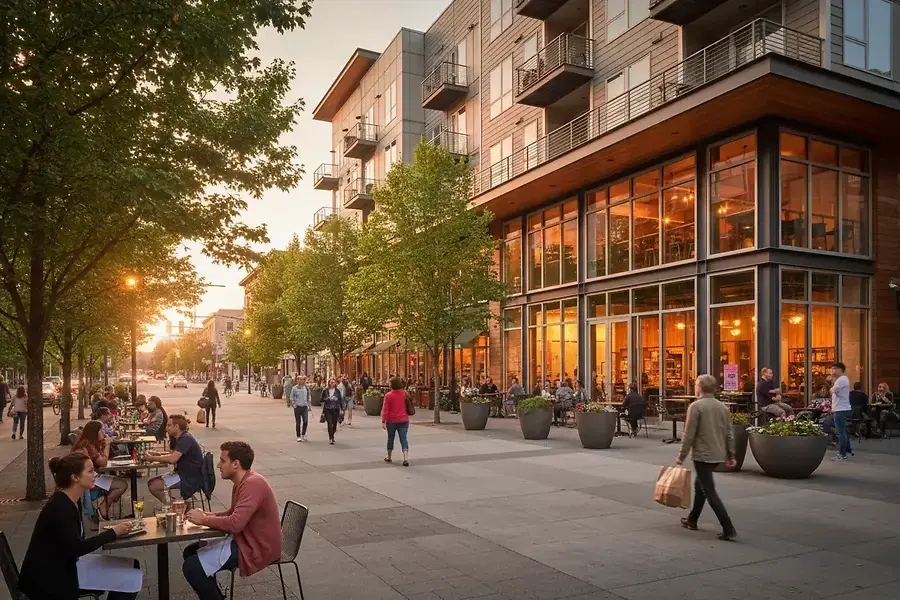
The Portland metropolitan area is experiencing a significant shift in real estate development. Mixed-use properties—developments that combine residential units with commercial spaces—are becoming increasingly popular among investors and developers. This trend reflects changing consumer preferences and the growing demand for walkable, vibrant communities where people can live, work, and play in close proximity.
The Pacific Northwest has always been known for its progressive urban planning and environmental consciousness. Mixed-use developments align perfectly with these values, promoting sustainable living and reducing the need for extensive commuting. As the region continues to grow, savvy investors are recognizing the tremendous potential these hybrid properties offer for long-term wealth building.
Understanding Mixed-Use Properties: Residential-Commercial Combinations That Work
What Makes Mixed-Use Properties Attractive
Mixed-use properties combine multiple revenue streams under one roof. Ground-floor retail or office spaces generate consistent commercial income, while upper-level residential units provide steady rental revenue. This diversification reduces risk and creates more stable cash flows compared to single-use properties.
Key benefits include:
- Multiple income sources from residential and commercial tenants
- Increased property value appreciation due to higher density development
- Lower vacancy rates in well-designed mixed-use developments
- Appeal to modern renters seeking convenience and walkability
- Tax advantages and potential for development incentives
Common Mixed-Use Configurations
The most successful mixed-use properties in the Portland area typically feature ground-level retail or restaurants with residential apartments or condominiums above. Some developments also incorporate office spaces, co-working facilities, or professional services alongside residential units. The key to success is ensuring that each component complements the others and serves the surrounding community.
Popular configurations include:
- Retail + Residential: Storefronts with apartments above, creating vibrant street-level activity
- Office + Residential: Professional spaces with residential units, ideal for urban professionals
- Restaurant + Residential: Dining establishments with housing, perfect for entertainment districts
- Mixed Commercial + Residential: Diverse commercial tenants with residential components
Financial Advantages for Investors
Mixed-use properties typically command higher per-unit prices than single-use developments. The commercial component often attracts institutional investors and larger capital sources, which can increase property valuations. Additionally, these properties frequently qualify for urban development incentives, tax credits, and favorable zoning considerations that can significantly enhance returns.
Top Markets for Mixed-Use Investments: From Vancouver to Lake Oswego
Portland's Urban Core
Downtown Portland and surrounding neighborhoods like Pearl District and Southeast Division continue to attract mixed-use development. These areas benefit from strong foot traffic, established public transportation, and a diverse tenant base. The demand for urban living spaces combined with retail and office needs makes these prime locations for mixed-use investments.
Vancouver, Washington
Just across the Columbia River, Vancouver is experiencing rapid growth and development. Lower property costs compared to Portland, combined with strong economic fundamentals, make Vancouver an attractive market for mixed-use projects. The city's downtown revitalization efforts have created excellent opportunities for investors seeking emerging markets with growth potential.
Lake Oswego and Suburban Markets
Suburban communities like Lake Oswego, Beaverton, and Tigard are increasingly embracing mixed-use development. These areas offer more affordable land costs while still providing strong demographic demand. Suburban mixed-use properties appeal to families and professionals seeking a balance between urban convenience and residential comfort.
Willamette Valley Opportunities
Communities throughout the Willamette Valley, including Salem and Corvallis, are developing mixed-use projects that serve as regional anchors. These markets offer excellent value propositions with growing populations and increasing demand for walkable community spaces. Investors in these emerging markets often see significant appreciation potential.
Positioning Your Portfolio for Long-Term Success in Hybrid Properties
Due Diligence and Market Analysis
Before investing in mixed-use properties, conduct thorough market research. Analyze demographic trends, employment growth, and commercial tenant demand in your target area. Understanding local zoning regulations and development incentives is crucial, as these factors significantly impact project feasibility and profitability.
Selecting the Right Property and Partners
Success in mixed-use real estate often depends on choosing experienced development partners and property managers. Look for properties in locations with strong walkability scores, good public transportation access, and established or emerging commercial demand. The best mixed-use investments combine excellent locations with experienced management teams.
Long-Term Value Creation
Mixed-use properties are ideal for long-term investors seeking stable income and appreciation. Rather than focusing on quick flips, consider holding these properties for 10+ years to maximize the benefits of:
- Consistent rental income from multiple tenant types
- Property appreciation in growing communities
- Inflation protection through commercial lease escalations
- Portfolio diversification across residential and commercial sectors
Navigating Challenges
Mixed-use properties do present unique challenges, including complex management requirements, diverse tenant needs, and regulatory compliance. However, these challenges are manageable with proper planning and experienced property management. The key is understanding these complexities upfront and building them into your investment strategy.
Mixed-use properties represent the future of real estate investment in the Pacific Northwest, offering investors who understand their nuances the opportunity to build substantial wealth while contributing to vibrant, sustainable communities.
Conclusion
Mixed-use properties are reshaping the real estate landscape across the Portland metro area, Willamette Valley, and Southwest Washington. These hybrid developments offer sophisticated investors multiple income streams, enhanced property values, and alignment with community development trends. Whether you're exploring opportunities in Portland's urban core, Vancouver's emerging market, or suburban communities like Lake Oswego, mixed-use properties provide a compelling investment thesis for long-term wealth creation.
By understanding the fundamentals of mixed-use development, conducting thorough market analysis, and partnering with experienced professionals, you can position your portfolio to capitalize on this growing trend and achieve substantial returns in the dynamic Pacific Northwest real estate market.


