Mixed-Use Properties: Maximizing Returns on Dual-Purpose Investments
Learn how residential-commercial hybrid properties generate income streams and attract diverse buyer profiles in today's market.

Understanding Mixed-Use Property Fundamentals
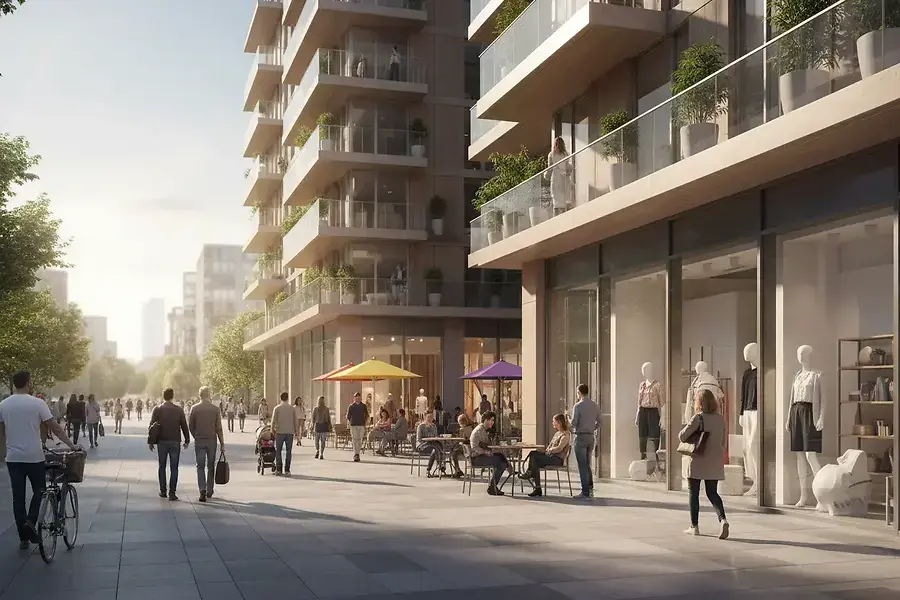
Mixed-use properties represent a dynamic evolution in real estate investment, combining residential units with commercial spaces under a single roof or development. These hybrid properties typically feature ground-floor retail, offices, or restaurants alongside upper-level apartments or condominiums, creating vibrant communities that serve multiple purposes.
The appeal of mixed-use developments lies in their ability to maximize land utilization and create self-sustaining neighborhoods. Rather than segregating residential areas from commercial districts, these properties blend both functions seamlessly, offering convenience to residents and foot traffic to businesses.
Types of Mixed-Use Properties
Mixed-use properties come in various configurations:
- Vertical Mixed-Use: Commercial spaces on lower floors with residential units stacked above
- Horizontal Mixed-Use: Residential and commercial spaces arranged side-by-side within the same development
- Integrated Communities: Large-scale developments combining multiple building types with shared amenities
- Adaptive Reuse Projects: Historic buildings converted to serve multiple purposes
Each configuration offers distinct advantages depending on location, market demand, and investment objectives.
Financial Benefits and Income Generation Strategies
The financial appeal of mixed-use properties stems from their ability to generate multiple revenue streams from a single asset. This diversification reduces risk and stabilizes cash flow compared to single-purpose properties.
Dual Income Streams
Mixed-use properties generate revenue from both residential leases and commercial tenants. A typical property might earn 60% of income from residential units and 40% from retail or office space. This balance provides stability—if commercial tenants face challenges, residential income continues flowing, and vice versa.
Higher Valuation Multiples
Lenders and investors often value mixed-use properties at premium multiples compared to single-use buildings. The diversified income profile and reduced vacancy risk justify higher capitalization rates and property valuations. Properties generating $100,000 monthly from mixed sources typically command better pricing than single-use alternatives.
Tax Advantages and Depreciation Benefits
Mixed-use properties offer enhanced depreciation strategies. Investors can depreciate both residential and commercial components separately, potentially accelerating tax deductions. Additionally, commercial spaces may qualify for cost segregation studies, allowing faster depreciation of certain building components.
Appreciation and Long-Term Growth
Mixed-use developments often appreciate faster than single-use properties because they create desirable walkable neighborhoods. As communities develop around these properties, land values increase, benefiting long-term investors significantly.
Finding and Evaluating Hybrid Properties in Your Market
Identifying quality mixed-use opportunities requires a strategic approach and understanding of market dynamics.
Market Analysis Essentials
Begin by analyzing your target market's demographics, employment centers, and development trends. Look for areas experiencing:
- Population growth and demographic shifts toward urban living
- Revitalization initiatives and infrastructure improvements
- Strong commercial demand with limited retail/office space
- Zoning changes permitting mixed-use development
Evaluating Property Performance
When assessing mixed-use properties, examine both residential and commercial components separately. Analyze residential occupancy rates, average rents, and tenant quality. For commercial space, evaluate tenant stability, lease terms, and market rental rates. A property with stable, long-term commercial tenants and strong residential demand presents lower risk.
Review the property's expense structure carefully. Mixed-use buildings typically have higher operating costs due to shared amenities, common area maintenance, and specialized management requirements. Factor in costs for:
- Separate HVAC and utility systems for residential and commercial areas
- Enhanced security and access control systems
- Professional property management expertise
- Insurance and liability coverage for multiple uses
Due Diligence Considerations
Conduct thorough due diligence before investing. Verify zoning compliance, review all tenant leases, and assess building systems' condition. Ensure the property complies with ADA requirements for both residential and commercial spaces. Evaluate parking adequacy—mixed-use properties often face parking challenges that impact both residential satisfaction and commercial viability.
Positioning Mixed-Use Opportunities to Your Clients
Successfully marketing mixed-use properties requires highlighting their unique value propositions to different buyer segments.
Investor-Focused Positioning
For investment clients, emphasize financial metrics and income stability. Present detailed pro formas showing residential and commercial revenue separately, highlighting the diversification benefits. Showcase comparable sales data demonstrating premium valuations for mixed-use properties. Investors appreciate the reduced vacancy risk and multiple exit strategies these properties provide.
Owner-Occupant Appeal
Some clients may occupy residential units while operating commercial businesses. Position these opportunities as lifestyle investments combining home and business under one roof. Highlight convenience, reduced commute time, and the ability to monitor business operations while living on-site.
Community-Focused Marketing
Emphasize the lifestyle benefits of mixed-use communities. Residents enjoy walkable neighborhoods with retail, dining, and services nearby. This appeal attracts quality tenants willing to pay premium rents for convenience and community atmosphere.
Highlighting Unique Features
Showcase amenities that enhance both residential and commercial appeal:
- Ground-floor activation creating vibrant streetscapes
- Shared parking facilities and transportation access
- Common areas fostering community engagement
- Flexible commercial spaces attracting diverse tenants
Mixed-use properties represent the future of urban development, combining residential comfort with commercial opportunity in increasingly desirable walkable communities.
Addressing Concerns Proactively
Potential buyers may worry about noise, parking, or management complexity. Address these concerns directly by highlighting soundproofing measures, adequate parking solutions, and professional management capabilities. Provide references from current residents and commercial tenants demonstrating satisfaction.
Mixed-use properties offer compelling investment opportunities for those understanding their unique dynamics. By mastering the fundamentals, recognizing financial benefits, identifying quality opportunities, and effectively positioning these properties, real estate professionals can unlock significant value for themselves and their clients in today's dynamic market.


