Mixed-Use Properties: Residential-Commercial Opportunities Across Central Indiana
Discover how residential-commercial hybrid properties are transforming communities from Indianapolis to Fishers.

The Rise of Mixed-Use Properties in the Indianapolis Metro
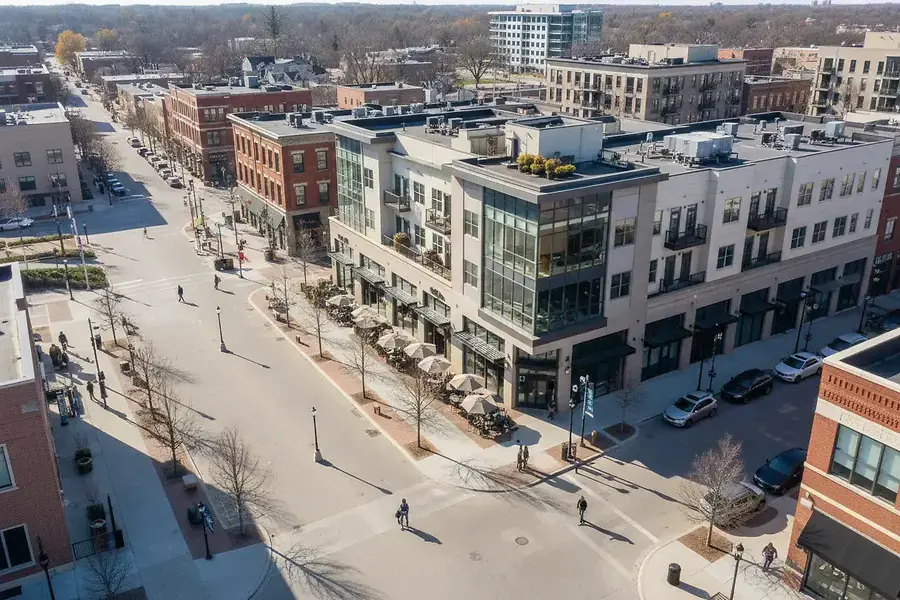
The Indianapolis metropolitan area is experiencing a significant transformation in how communities are developed and how people choose to live and work. Mixed-use properties—developments that combine residential units with commercial spaces—are becoming increasingly popular across the region. This trend reflects a broader shift in real estate preferences, where convenience, walkability, and vibrant community spaces are highly valued.
The appeal of mixed-use properties lies in their ability to create dynamic neighborhoods where residents can live, work, shop, and dine without extensive commutes. For investors and developers, these properties offer diversified income streams and reduced vacancy risks compared to single-use developments. The Indianapolis metro, with its growing population and economic development, presents an ideal environment for this type of investment.
Local governments and urban planners have also embraced mixed-use development as a strategy to revitalize downtown areas and suburban corridors. Zoning regulations have become more flexible, making it easier to develop properties that blend residential and commercial uses. This supportive regulatory environment has accelerated growth in the sector.
Key Markets for Residential-Commercial Investment: Where Demand Is Strongest
Downtown Indianapolis
The heart of the metro area remains a prime location for mixed-use development. Downtown Indianapolis continues to attract young professionals and empty-nesters seeking urban living with walkable access to restaurants, entertainment, and employment centers. Properties featuring loft-style apartments above retail or office spaces command premium prices and maintain strong occupancy rates.
Fishers and the North Corridor
Fishers has emerged as one of the fastest-growing communities in Indiana, with a thriving downtown district that perfectly showcases mixed-use potential. The Fishers District and surrounding areas feature successful developments combining upscale residential units with retail, dining, and entertainment venues. This market demonstrates strong demand from both residents and commercial tenants.
Fountain Square and Southside Neighborhoods
These eclectic neighborhoods have become increasingly attractive to investors seeking emerging markets with character and growth potential. Mixed-use properties in these areas benefit from:
- Lower acquisition costs compared to downtown properties
- Strong community engagement and local support
- Growing demand from younger demographics seeking authentic, walkable neighborhoods
- Increasing commercial interest from independent retailers and restaurants
Carmel and the Boone County Expansion
Carmel's continued economic growth and upscale market positioning make it an attractive location for high-end mixed-use developments. The city's commitment to quality development and strong municipal services support premium pricing for both residential and commercial components.
Strategies for Maximizing Returns on Hybrid Properties
Tenant Mix Optimization
The success of mixed-use properties depends heavily on creating the right balance of residential and commercial tenants. Strategic tenant selection ensures that commercial spaces attract foot traffic that benefits residents while maintaining a pleasant living environment. Consider:
- Complementary retail and dining options that enhance resident lifestyle
- Professional services that serve both residents and the broader community
- Avoiding incompatible uses that might create noise or nuisance issues
- Prioritizing local, independent businesses that build community identity
Flexible Space Design
Modern mixed-use properties benefit from adaptable floor plans that can accommodate changing market demands. Ground-floor spaces designed with flexibility in mind can transition between retail, restaurant, office, or service uses as market conditions evolve. This adaptability protects your investment against long-term market shifts.
Amenity Integration
Properties that integrate shared amenities—such as courtyards, rooftop gardens, or community gathering spaces—create value for both residential and commercial tenants. These spaces encourage interaction, increase property appeal, and can justify premium pricing across all components of the development.
Parking and Access Solutions
Effective parking management is critical for mixed-use success. Consider:
- Shared parking arrangements that optimize space utilization
- Strategic placement of parking to minimize visual impact
- Investment in alternative transportation infrastructure
- Clear wayfinding and accessibility for all users
Technology and Smart Building Features
Incorporating smart building technology—from energy management systems to integrated security and package delivery solutions—enhances operational efficiency and attracts quality tenants willing to pay premium rates. These features also reduce long-term operating costs and environmental impact.
Community Engagement and Programming
Active community programming transforms mixed-use properties from mere real estate into vibrant neighborhood destinations. Regular events, markets, and activities create buzz, increase foot traffic, and strengthen tenant retention. This investment in community building directly impacts your bottom line.
Conclusion: Positioning Yourself as a Mixed-Use Real Estate Expert
The mixed-use real estate market in Central Indiana represents a compelling opportunity for investors and developers willing to understand the unique dynamics of hybrid properties. Success requires more than traditional real estate expertise—it demands knowledge of retail operations, community development, and urban planning principles.
To position yourself as an expert in this space, focus on:
- Building relationships with local government officials and urban planners
- Staying informed about demographic trends and consumer preferences
- Developing expertise in both residential and commercial property management
- Creating case studies of successful mixed-use projects in your market
- Networking with other developers, investors, and community stakeholders
The Indianapolis metro's continued growth, combined with changing preferences for walkable, mixed-use communities, suggests that this market will remain strong for years to come. By understanding the key markets, implementing proven strategies, and maintaining a commitment to community-focused development, you can build a successful and rewarding career in mixed-use real estate.
"Mixed-use properties aren't just about maximizing square footage—they're about creating places where people want to live, work, and spend their time. That's where real value is created."