Mixed-Use Properties: Salt Lake City's Hybrid Real Estate Opportunity
Discover how residential-commercial hybrid properties are reshaping investment strategies for savvy Salt Lake City buyers and investors.

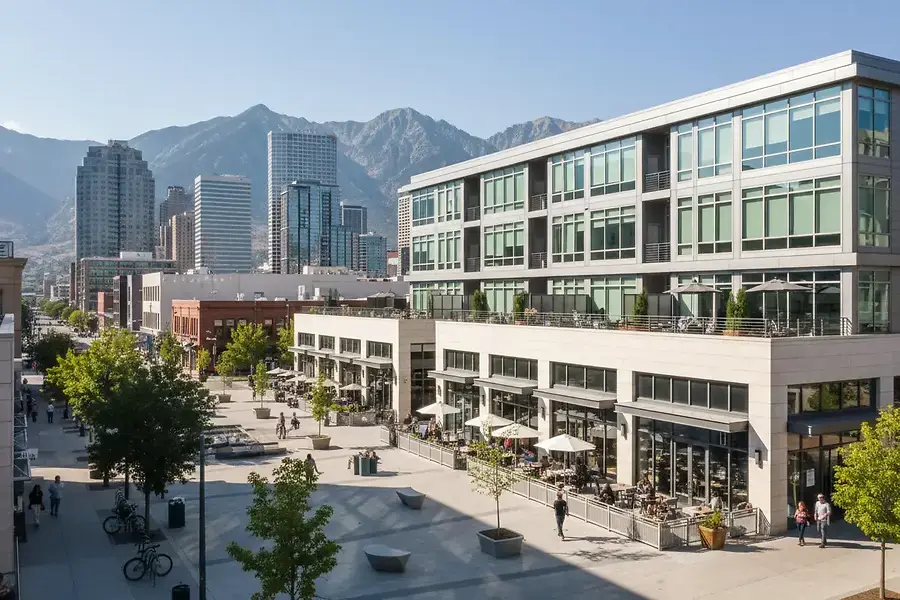
The Rise of Mixed-Use Development in Salt Lake City
Salt Lake City's real estate landscape is undergoing a significant transformation. The days of purely residential or strictly commercial properties dominating the market are fading as mixed-use developments take center stage. These innovative properties combine residential units with retail spaces, offices, restaurants, and entertainment venues under one roof, creating vibrant communities that cater to modern living preferences.
The shift toward mixed-use properties reflects broader changes in how people want to live and work. Urban professionals increasingly seek walkable neighborhoods where they can live, shop, dine, and conduct business without relying heavily on automobiles. Salt Lake City, with its growing population and expanding economy, has become an ideal location for this type of development.
Local developers and investors have recognized this opportunity, leading to a surge in mixed-use projects throughout downtown Salt Lake City and surrounding neighborhoods. These developments are not just reshaping the physical landscape—they're fundamentally changing investment strategies and creating new wealth-building opportunities for savvy real estate investors.
Understanding Residential-Commercial Hybrid Properties and Their Market Advantages
What Are Mixed-Use Properties?
Mixed-use properties are real estate developments that integrate multiple functions within a single building or complex. Typically, they feature residential apartments or condominiums on upper floors with ground-level retail, restaurants, offices, or entertainment spaces. Some developments also include hotels, fitness centers, and cultural venues.
This hybrid approach creates a self-contained ecosystem where residents have convenient access to amenities, reducing the need for extensive commuting and enhancing quality of life.
Key Market Advantages
Mixed-use properties offer several compelling advantages that make them attractive to investors:
- Diversified Income Streams: Property owners benefit from multiple revenue sources—residential rents, commercial leases, and retail operations—reducing dependency on any single income source.
- Higher Property Values: The convenience and lifestyle benefits of mixed-use developments typically command premium pricing compared to single-use properties.
- Increased Foot Traffic: Commercial tenants benefit from residential populations, while residents enjoy the convenience of nearby businesses and services.
- Urban Revitalization: These properties often catalyze neighborhood improvements, increasing surrounding property values and community appeal.
- Resilience: Economic downturns affecting one sector may be offset by strength in another, providing more stable returns.
Salt Lake City's Unique Position
Salt Lake City presents exceptional conditions for mixed-use development. The city's young, educated population, combined with a robust job market in technology, healthcare, and professional services, creates strong demand for both residential and commercial space. Additionally, the city's geographic constraints and focus on sustainable urban development make mixed-use properties particularly valuable.
Investment Potential and ROI Strategies for Mixed-Use Real Estate in Salt Lake City
Understanding the Financial Opportunity
Mixed-use properties in Salt Lake City demonstrate impressive financial potential. The residential component typically generates stable, predictable rental income, while commercial spaces often command higher per-square-foot rates. This combination creates a compelling financial profile for investors.
Average returns on mixed-use properties in Salt Lake City have shown consistent appreciation, with many investors reporting annual returns ranging from 6-10% through rental income alone, before accounting for property appreciation.
Strategic Investment Approaches
Successful investors employ several strategies when investing in mixed-use properties:
- Location Selection: Properties in high-traffic areas with strong foot traffic and established neighborhoods command premium prices and attract quality tenants.
- Tenant Mix Optimization: Carefully curating the commercial tenant mix ensures complementary businesses that enhance the property's appeal and stability.
- Long-Term Hold Strategy: Many investors purchase mixed-use properties with the intention of holding them long-term, benefiting from both steady cash flow and appreciation.
- Value-Add Opportunities: Investors can increase returns by acquiring underperforming properties and implementing improvements to increase occupancy and rental rates.
- Financing Advantages: Lenders often view mixed-use properties favorably due to their diversified income streams, potentially offering better financing terms.
Risk Considerations
While mixed-use properties offer significant advantages, investors should be aware of potential challenges. Property management becomes more complex with multiple tenant types. Market downturns can affect both residential and commercial sectors simultaneously. Additionally, zoning regulations and local development restrictions may limit opportunities in certain areas.
Successful investors mitigate these risks through thorough due diligence, professional property management, and diversification across multiple properties and neighborhoods.
The Numbers Behind the Opportunity
Consider a typical scenario: A mixed-use property with 20 residential units averaging $1,500 monthly rent and 5,000 square feet of commercial space leasing at $25 per square foot annually generates approximately $30,000 monthly in residential income and $10,400 in commercial income—totaling over $480,000 annually. After accounting for operating expenses, property taxes, and debt service, investors can achieve substantial net returns while building equity through property appreciation.
Positioning Yourself in Salt Lake City's Evolving Real Estate Market
The mixed-use real estate market in Salt Lake City is maturing rapidly, creating a window of opportunity for informed investors. The convergence of demographic trends, economic growth, and changing lifestyle preferences positions mixed-use properties as one of the most promising real estate segments in the region.
For investors considering entry into this market, timing and location are critical. Properties in established neighborhoods with strong fundamentals and growth potential offer the best risk-adjusted returns. Working with experienced real estate professionals who understand the nuances of mixed-use development is essential.
The future of Salt Lake City's real estate market increasingly belongs to properties that serve multiple purposes and create vibrant, walkable communities. By understanding the advantages, opportunities, and challenges of mixed-use properties, investors can position themselves to capitalize on this transformative trend and build substantial wealth in one of America's most dynamic real estate markets.
Whether you're a seasoned real estate investor or exploring your first significant property investment, mixed-use properties in Salt Lake City deserve serious consideration as part of a diversified investment portfolio.


