Mixed-Use Properties: Smart Investment Strategy for Burlington Investors
Discover how residential-commercial hybrid properties offer unique investment opportunities and income potential in Burlington's evolving real estate market.

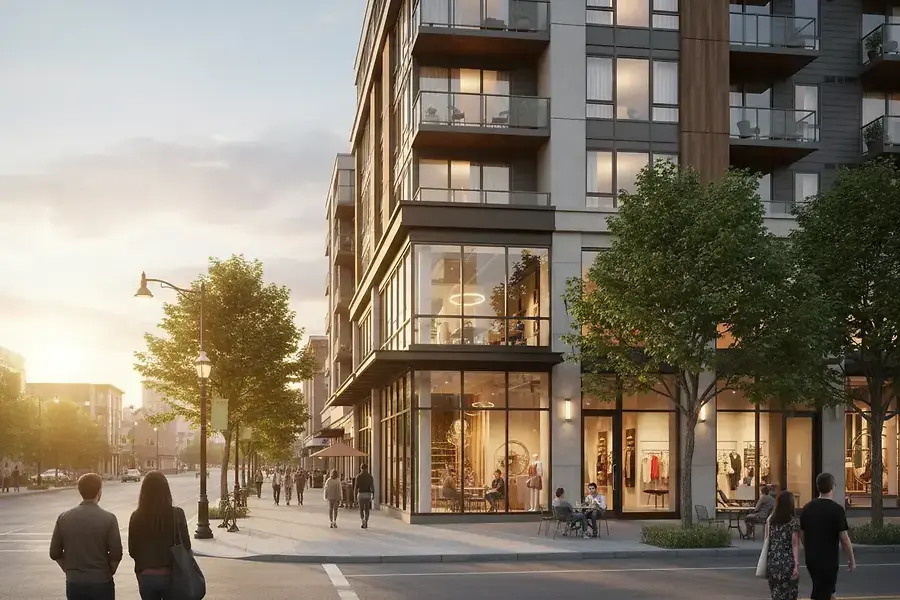
The Rise of Mixed-Use Development in Burlington
Burlington's real estate landscape is undergoing a significant transformation. The city's urban core is increasingly attracting investors seeking alternatives to traditional single-use properties. Mixed-use developments—properties that combine residential units with commercial spaces—are emerging as a compelling investment strategy for those looking to maximize returns and minimize risk.
This shift reflects broader market trends toward walkable, vibrant communities where residents can live, work, and shop in close proximity. Burlington's strategic location, growing population, and commitment to sustainable development make it an ideal market for mixed-use investments. Investors who understand this emerging opportunity are positioning themselves ahead of the curve.
Understanding Residential-Commercial Properties: Benefits and Considerations
Key Benefits of Mixed-Use Properties
Diversified Income Streams: Unlike traditional apartment buildings or retail spaces, mixed-use properties generate revenue from multiple sources. Residential tenants provide stable, long-term income, while commercial tenants—such as restaurants, offices, or retail shops—often sign longer leases and may pay premium rates.
Reduced Vacancy Risk: When one sector experiences a downturn, the other may remain stable. If commercial occupancy dips, residential units can offset losses. This built-in resilience makes mixed-use properties less vulnerable to market fluctuations.
Enhanced Property Value: Mixed-use developments typically command higher valuations than single-use properties in comparable locations. The synergy between residential and commercial components creates added appeal for both tenants and future buyers.
Community Appeal: These properties foster vibrant neighborhoods where residents enjoy convenient access to services and amenities. This appeal attracts quality tenants and supports long-term occupancy rates.
Important Considerations
Complexity in Management: Operating mixed-use properties requires expertise in managing both residential and commercial tenants. Different lease structures, maintenance needs, and tenant expectations demand sophisticated property management systems.
Zoning and Regulatory Requirements: Burlington has specific zoning regulations governing mixed-use developments. Investors must navigate local building codes, parking requirements, and land-use restrictions. Working with local real estate professionals is essential.
Higher Initial Investment: Mixed-use properties typically require larger capital investments than single-use alternatives. Construction costs, compliance expenses, and specialized design considerations can be substantial.
Market-Specific Dynamics: Success depends on understanding local market conditions. The demand for residential units versus commercial space varies by neighborhood and evolves over time.
Investment Strategies for Mixed-Use Properties in Burlington
Strategy 1: Ground-Floor Retail with Upper-Level Residences
This classic mixed-use model features retail or restaurant space on the ground floor with residential apartments above. This configuration maximizes street-level activation while providing stable residential income. Burlington's downtown core offers excellent opportunities for this model, particularly in neighborhoods experiencing revitalization.
Strategy 2: Office Space with Residential Components
As remote work evolves, flexible office spaces paired with residential units appeal to both professionals and companies. This model works particularly well in emerging business districts where entrepreneurs and small firms seek affordable, accessible workspace.
Strategy 3: Adaptive Reuse Projects
Converting historic buildings or underutilized structures into mixed-use properties can yield significant returns. Burlington has numerous older buildings suitable for adaptive reuse. These projects often qualify for tax incentives and appeal to investors seeking character-filled properties with built-in community value.
Strategy 4: Mixed-Use Development Partnerships
Partnering with experienced developers can reduce risk and complexity. Joint ventures allow investors to participate in larger projects while leveraging partners' expertise in design, construction, and tenant relations.
Key Success Factors
- Location Research: Analyze neighborhood demographics, foot traffic patterns, and future development plans. Properties in high-growth areas command premium rents and appreciate faster.
- Tenant Mix Planning: Carefully curate commercial tenants to complement residential populations. A grocery store, coffee shop, or fitness center enhances resident satisfaction and property appeal.
- Financial Modeling: Project income from both residential and commercial components separately. Account for different lease terms, vacancy rates, and maintenance costs for each sector.
- Professional Guidance: Work with local real estate agents, property managers, and legal advisors familiar with Burlington's market and regulations.
- Long-Term Vision: Mixed-use investments typically perform best as long-term holdings. Plan for at least a 5-10 year investment horizon to realize full appreciation potential.
Financing Mixed-Use Properties
Lenders view mixed-use properties differently than single-use assets. Securing financing requires detailed financial projections, market analysis, and proof of management capability. Many investors find that working with lenders experienced in mixed-use development yields better terms and faster approval processes. Some properties may qualify for specialized financing programs or tax incentives designed to encourage urban development.
Positioning Yourself as a Mixed-Use Property Expert
The mixed-use property market in Burlington is still evolving, creating opportunities for investors who develop expertise early. By understanding the unique dynamics of these properties—from zoning requirements to tenant management—you can identify undervalued opportunities and execute strategies that others overlook.
Success in mixed-use investing requires continuous learning. Stay informed about Burlington's development plans, demographic trends, and regulatory changes. Network with other investors, developers, and local officials. Attend real estate seminars and workshops focused on mixed-use development.
The investors who thrive in this space combine thorough market research with practical property management experience. They understand that mixed-use properties are not simply residential buildings with a store attached—they are complex assets requiring integrated management strategies that serve both residential and commercial tenants effectively.
As Burlington continues to grow and evolve, mixed-use properties will likely become increasingly central to the city's real estate market. Investors who position themselves now as knowledgeable, experienced participants in this sector will be well-positioned to capitalize on the opportunities ahead.


