Mixed-Use Properties: The Future of Real Estate Investment in Florida
Discover how residential-commercial hybrid properties are reshaping investment opportunities across Tampa, Lakeland, and Winter Haven.

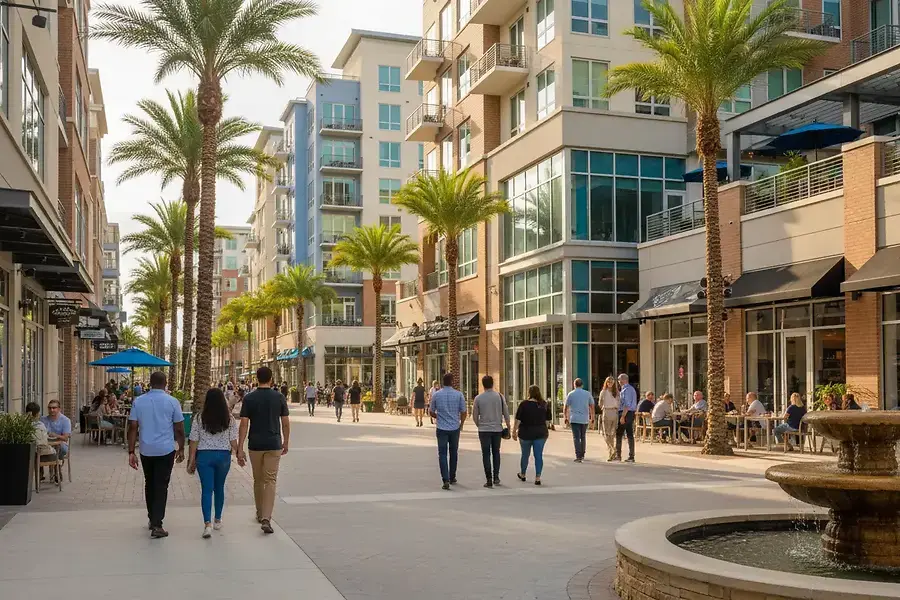
The Rise of Mixed-Use Development in Central Florida
The real estate landscape in Central Florida is undergoing a significant transformation. Mixed-use properties—developments that seamlessly blend residential, commercial, and sometimes retail spaces—are emerging as the cornerstone of modern investment strategy. This shift reflects broader changes in how people want to live, work, and spend their leisure time.
Gone are the days when investors had to choose between residential rentals or commercial properties. Today's savvy investors are recognizing that hybrid properties offer the best of both worlds. These developments create vibrant communities where residents can live, shop, dine, and work without extensive commutes. For investors, this translates into multiple revenue streams and reduced vacancy risks.
Central Florida's three major markets—Tampa, Lakeland, and Winter Haven—are at the forefront of this revolution. Each city presents unique opportunities for investors looking to capitalize on the mixed-use trend.
Understanding Residential-Commercial Hybrid Properties and Their Market Advantages
What Are Mixed-Use Properties?
Mixed-use properties are developments that integrate two or more uses within a single building or complex. Typically, they feature:
- Ground-floor retail or office spaces
- Upper-level residential apartments or condominiums
- Integrated parking solutions
- Shared amenities like courtyards, restaurants, or fitness centers
- Pedestrian-friendly walkways and public spaces
This design philosophy creates walkable neighborhoods that appeal to modern residents and businesses alike.
Key Market Advantages
Diversified Income Streams: Unlike traditional single-use properties, mixed-use developments generate revenue from multiple sources. Residential units provide stable monthly rental income, while commercial spaces offer potentially higher yields. This diversification reduces financial risk and creates more predictable cash flows.
Higher Occupancy Rates: Mixed-use properties typically maintain higher occupancy rates than single-use developments. When one segment experiences a downturn, other segments often compensate, creating a natural hedge against market volatility.
Increased Property Values: The integrated nature of mixed-use properties creates stronger demand. Properties that offer convenience and lifestyle benefits appreciate faster than traditional single-use developments. Investors benefit from both rental income and property appreciation.
Tenant Retention: Residents in mixed-use communities enjoy unprecedented convenience. They can work, shop, and dine without leaving their neighborhood. This lifestyle appeal translates into longer lease terms and reduced turnover costs for property owners.
The Appeal to Modern Residents and Businesses
Today's residents and business owners prioritize convenience and community. Mixed-use properties deliver both. Young professionals appreciate the ability to live near their workplace. Families value the walkable, vibrant neighborhoods. Small business owners benefit from foot traffic and established customer bases. This universal appeal creates a stable tenant base for investors.
Investment Potential and Financial Benefits Across Tampa, Lakeland, and Winter Haven Markets
Tampa: The Urban Growth Engine
Tampa is experiencing explosive growth, attracting businesses and residents from across the country. The city's diverse economy—spanning healthcare, finance, technology, and tourism—creates strong demand for mixed-use properties.
Investment highlights for Tampa include:
- Population growth outpacing state and national averages
- Strong job creation across multiple sectors
- Revitalized downtown and waterfront districts attracting premium mixed-use developments
- Competitive rental rates with strong appreciation potential
- Established infrastructure supporting commercial and residential growth
Mixed-use properties in Tampa's urban core and emerging neighborhoods offer investors access to both established markets and growth opportunities.
Lakeland: The Emerging Opportunity
Lakeland represents a compelling opportunity for investors seeking growth at more accessible price points. The city is rapidly developing as a secondary market, with improving infrastructure and increasing business investment.
Lakeland's investment advantages:
- Lower entry costs compared to Tampa
- Growing tech and manufacturing sectors
- Improved transportation infrastructure
- Younger demographic with strong rental demand
- Significant appreciation potential as the market matures
Investors who position themselves early in Lakeland's mixed-use market stand to benefit from substantial long-term appreciation.
Winter Haven: The Lifestyle Investment
Winter Haven offers a unique positioning as a lifestyle destination with strong tourism and recreation appeal. The city's lakes, parks, and entertainment venues create natural demand for mixed-use properties that blend residential comfort with commercial convenience.
Winter Haven investment characteristics:
- Strong seasonal tourism driving commercial revenue
- Retiree and young family demographics
- Quality of life amenities attracting residents
- Growing retail and hospitality sectors
- Stable, predictable rental markets
Mixed-use properties in Winter Haven benefit from both residential stability and seasonal commercial peaks.
Financial Performance Metrics
Mixed-use properties typically deliver superior financial performance compared to single-use alternatives:
- Cap Rates: Mixed-use properties often achieve 5-7% cap rates, competitive with or exceeding single-use properties
- Cash-on-Cash Returns: Diversified income streams typically produce 8-12% annual returns
- Appreciation: Mixed-use properties appreciate 3-5% annually in strong markets
- Occupancy Rates: Industry averages exceed 90%, compared to 85% for single-use properties
Smart investors recognize that mixed-use properties aren't just about current income—they're about building wealth through diversification and positioning for long-term appreciation.
Why Smart Investors Are Choosing Mixed-Use Properties Today
The case for mixed-use properties is compelling and multifaceted. Economic resilience stands out as a primary advantage. When one market segment weakens, others provide stability. This built-in diversification appeals to risk-conscious investors.
Market alignment is another critical factor. Consumer preferences have shifted dramatically toward walkable, mixed-use communities. Developers and investors who recognize this trend position themselves ahead of the curve. Properties that align with market demand command premium prices and maintain strong occupancy.
Scalability and growth potential make mixed-use properties attractive for building investment portfolios. Successful mixed-use developments create templates for expansion. Investors can replicate successful models across multiple markets, building substantial real estate empires.
Finally, lifestyle and community impact appeal to investors seeking more than financial returns. Mixed-use properties create vibrant neighborhoods that enhance quality of life. This positive community impact often translates into stronger property values and tenant loyalty.
The future of real estate investment in Florida belongs to those who understand the power of mixed-use properties. Tampa, Lakeland, and Winter Haven offer distinct opportunities for investors at every level. Whether you're seeking immediate cash flow, long-term appreciation, or a combination of both, mixed-use properties provide a proven path to real estate success.
The time to invest in mixed-use properties is now. As these markets continue to mature and consumer preferences solidify, opportunities will become increasingly competitive. Forward-thinking investors who act today will reap the rewards for decades to come.


