Mixed-Use Properties: The Future of Real Estate Investment in the DMV
Discover why residential-commercial hybrid properties are reshaping investment opportunities across Arlington, Washington DC, Baltimore, and Fairfax.

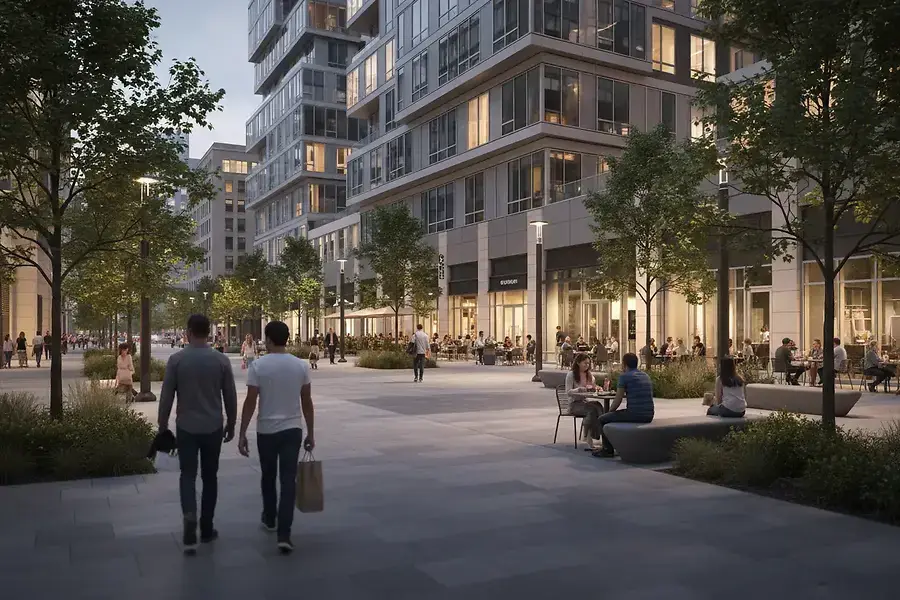
The Rise of Mixed-Use Development in the DMV Region
The DMV region—comprising Arlington, Washington DC, Baltimore, and Fairfax—is experiencing a transformative shift in real estate investment. Mixed-use properties, which combine residential and commercial spaces under one roof, are no longer a niche market segment but rather a dominant force shaping the future of urban development. These hybrid properties offer investors a unique opportunity to diversify their portfolios while meeting the evolving demands of modern urban dwellers.
The appeal of mixed-use developments lies in their ability to create vibrant, walkable communities where residents can live, work, and shop without leaving their neighborhood. This concept has gained significant traction as more professionals seek work-life balance and convenient access to amenities. The DMV, with its dense urban centers and affluent demographics, has become a prime location for these innovative real estate solutions.
Market Demand: Why Investors Are Choosing Residential-Commercial Properties
Economic Resilience and Diversified Revenue Streams
One of the most compelling reasons investors are gravitating toward mixed-use properties is the economic resilience they provide. Unlike single-use properties that depend on one market segment, mixed-use developments generate revenue from multiple sources:
- Residential rental income from apartments or condominiums
- Commercial lease payments from retail, office, or service businesses
- Ground-floor retail and restaurant revenues
- Parking and amenity fees
This diversification acts as a financial buffer during market downturns. When residential demand softens, strong commercial performance can offset losses, and vice versa.
Meeting Changing Consumer Preferences
Today's consumers, particularly millennials and Gen Z professionals, prioritize convenience and community. They want to live in neighborhoods where they can access restaurants, shops, fitness centers, and entertainment venues on foot. Mixed-use properties deliver exactly this experience, making them increasingly attractive to renters and buyers.
The pandemic accelerated this trend by normalizing remote work and increasing demand for flexible living spaces. Many professionals now seek properties near vibrant commercial districts where they can work from coffee shops or co-working spaces while maintaining proximity to their homes.
Urban Density and Sustainability
Mixed-use developments promote efficient land use and sustainability—factors that appeal to both environmentally conscious investors and municipalities. By combining residential and commercial spaces, these properties reduce urban sprawl, minimize transportation needs, and support public transit infrastructure. This alignment with sustainability goals often results in favorable zoning approvals and potential tax incentives.
Location Breakdown: Best Mixed-Use Opportunities in Arlington, DC, Baltimore, and Fairfax
Arlington: The Tech Hub's Playground
Arlington has emerged as a powerhouse for mixed-use development, particularly around the Amazon HQ2 corridor and the Metro stations. Properties near Crystal City, Pentagon City, and Rosslyn offer exceptional opportunities for investors seeking exposure to the region's booming tech and professional services sectors.
The area's strong job market, excellent public transportation, and affluent demographic create ideal conditions for mixed-use properties. Investors can expect robust residential demand paired with premium commercial lease rates from corporate tenants.
Washington DC: The Capital's Core
DC's neighborhoods continue to attract mixed-use development, with particular strength in:
- Downtown DC: Office-residential conversions are thriving as companies embrace hybrid work models
- Capitol Hill: Historic buildings are being reimagined as mixed-use spaces with boutique retail and upscale apartments
- U Street Corridor: Vibrant nightlife and dining scenes support strong commercial performance
DC's status as the nation's capital ensures consistent demand from government employees, contractors, and professionals. The city's walkability and cultural amenities make it an ideal market for mixed-use investments.
Baltimore: The Emerging Opportunity
While Arlington and DC dominate headlines, Baltimore presents compelling value opportunities for forward-thinking investors. Harbor East, Federal Hill, and Canton are experiencing revitalization, with mixed-use developments attracting younger demographics and creative professionals.
Baltimore's lower entry costs compared to DC and Arlington, combined with strong population growth and urban renewal initiatives, make it an attractive market for investors seeking higher returns. The city's waterfront properties, in particular, offer unique mixed-use potential.
Fairfax: The Suburban Evolution
Fairfax is transitioning from a purely suburban market to a mixed-use destination. Town centers in Fairfax City and developments near Metro stations are attracting investment as the county seeks to create more walkable, urban-style communities.
These suburban mixed-use properties appeal to investors seeking lower acquisition costs than urban centers while still capturing strong demographic demand. Families and professionals appreciate the balance of suburban living with urban conveniences.
Positioning Yourself in the Mixed-Use Real Estate Market
For investors considering entry into the mixed-use market, several strategic approaches exist:
- Direct Property Ownership: Purchase existing mixed-use properties or development sites with mixed-use potential
- Development Partnerships: Partner with experienced developers to share risks and expertise
- REITs and Funds: Invest in real estate investment trusts specializing in mixed-use properties
- Adaptive Reuse Projects: Convert underutilized single-use buildings into mixed-use spaces
The future of real estate investment in the DMV is undeniably mixed-use. Properties that successfully blend residential comfort with commercial vitality will continue to outperform traditional single-use investments.
Success in this market requires understanding local zoning regulations, demographic trends, and tenant preferences. Working with experienced real estate professionals who understand the nuances of each DMV submarket is essential.
The mixed-use real estate revolution is reshaping how people live, work, and invest in the DMV region. By recognizing this trend early and positioning strategically, investors can capitalize on one of the most dynamic real estate opportunities of our time.


