Mixed-Use Properties: The Future of Southern California Real Estate
Discover how residential-commercial hybrid investments are transforming communities across Orange County, Los Angeles, and Riverside County.

The Rise of Mixed-Use Development in Southern California
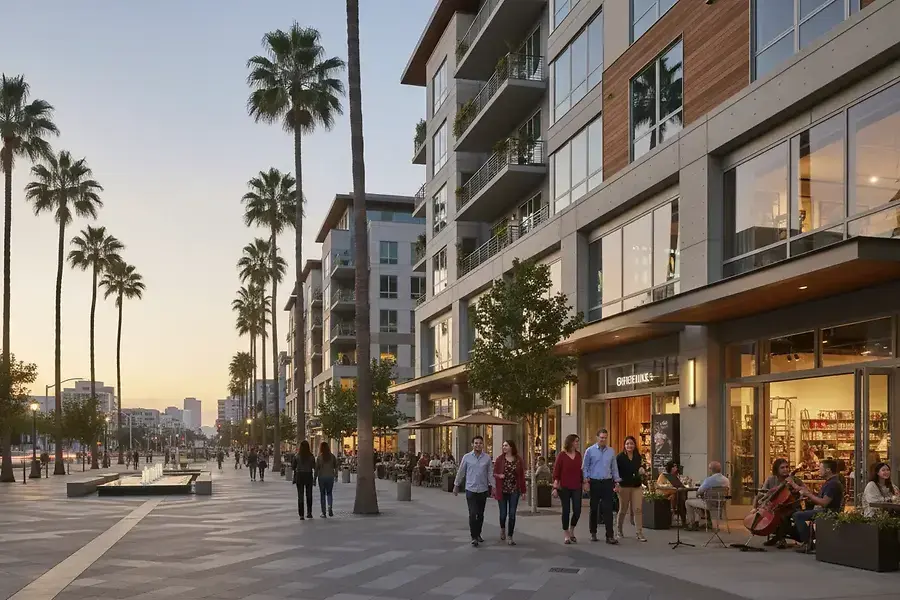
Southern California's real estate landscape is undergoing a profound transformation. Gone are the days when residential neighborhoods and commercial districts existed in separate silos. Today, mixed-use properties—developments that seamlessly blend residential units, retail spaces, offices, and entertainment venues—are reshaping how communities live, work, and play.
This shift isn't merely a trend; it's a fundamental reimagining of urban and suburban development. From the bustling streets of downtown Los Angeles to the emerging neighborhoods of Riverside County, mixed-use properties are becoming the gold standard for forward-thinking investors and developers. The appeal is clear: these properties create vibrant, walkable communities while offering investors multiple revenue streams and enhanced long-term value appreciation.
The demand for this type of development stems from changing consumer preferences. Modern residents increasingly seek convenience, community, and sustainability. They want to live in neighborhoods where they can grab coffee, dine at restaurants, shop, and access services—all within walking distance. Mixed-use properties deliver exactly that experience.
Why Residential-Commercial Properties Offer Superior Investment Returns
Diversified Revenue Streams
One of the most compelling reasons investors are flocking to mixed-use properties is the diversified income potential. Unlike traditional single-use properties, mixed-use developments generate revenue from multiple sources:
- Residential rental income from apartments or condominiums
- Commercial lease payments from retail tenants and office spaces
- Parking revenue from dedicated parking facilities
- Amenity fees from shared community spaces
This diversification provides a significant cushion against market volatility. If retail leasing slows, residential income can offset the decline, and vice versa.
Enhanced Property Values and Appreciation
Mixed-use properties typically appreciate faster than single-use developments. The synergy created by combining residential and commercial uses makes these properties more attractive to a broader range of buyers and tenants. Additionally, the walkability and convenience factors command premium pricing in Southern California's competitive market.
Lower Vacancy Rates
Properties with multiple uses experience lower overall vacancy rates. When one segment faces challenges, others often remain stable. This stability translates to more predictable cash flow and reduced risk for investors.
Tax Benefits and Incentives
Many Southern California municipalities offer tax incentives and expedited permitting for mixed-use developments that meet specific criteria. These incentives can significantly improve project economics and accelerate returns on investment.
Top Mixed-Use Markets: From Fullerton to Lake Elsinore
Orange County: The Epicenter of Mixed-Use Innovation
Orange County has emerged as a leader in mixed-use development. Cities like Fullerton have successfully transformed their downtown cores with vibrant mixed-use projects. The Fullerton Marketplace and similar developments have revitalized these areas, attracting both residents and businesses. The county's strong economy, educated workforce, and high quality of life make it an ideal location for mixed-use investments.
Other Orange County hotspots include Irvine, Santa Ana, and Anaheim, where developers are creating mixed-use communities that serve as regional destinations.
Los Angeles: Urban Density Meets Mixed-Use Development
Los Angeles is experiencing a renaissance in mixed-use development, particularly in areas like Downtown LA, Silver Lake, and Arts District. These neighborhoods are attracting young professionals and families seeking urban living with convenient access to employment, entertainment, and dining.
The city's zoning reforms have made it easier to develop mixed-use properties, spurring investment in previously underutilized areas. This trend is expected to continue, making LA mixed-use properties increasingly valuable.
Riverside County: The Emerging Frontier
While Orange County and LA dominate headlines, Riverside County represents the next frontier for mixed-use development. Cities like Lake Elsinore, Murrieta, and Temecula are experiencing rapid growth and attracting developers seeking more affordable land and development costs.
These emerging markets offer investors the opportunity to get in early on properties that will likely appreciate significantly as the region develops. The lower entry costs compared to coastal markets make Riverside County particularly attractive for investors seeking strong returns.
Key Investment Considerations
When evaluating mixed-use properties across these markets, consider:
- Location and accessibility – proximity to transportation, employment centers, and amenities
- Demographic trends – population growth, income levels, and consumer preferences
- Regulatory environment – zoning flexibility and development incentives
- Tenant mix quality – anchor tenants and complementary retail/commercial uses
- Management expertise – experienced operators can maximize returns
Positioning Your Portfolio for Long-Term Growth
The future of Southern California real estate is undeniably mixed-use. As communities continue to prioritize walkability, sustainability, and convenience, demand for these properties will only increase. For investors, this presents a compelling opportunity.
The time to invest in mixed-use properties is now. Whether you're looking at established markets like Orange County and Los Angeles or emerging opportunities in Riverside County, mixed-use developments offer the potential for superior returns, reduced risk through diversification, and the satisfaction of investing in properties that enhance community quality of life.
By carefully selecting properties in strong markets with experienced management and complementary tenant mixes, investors can position their portfolios for sustained growth and resilience. Mixed-use properties aren't just the future of Southern California real estate—they're the present, and savvy investors are already capitalizing on this transformative trend.


