Mixed-Use Properties: The Future of Twin Cities Real Estate Investment
Discover why residential-commercial hybrid properties are transforming neighborhoods across Minneapolis, Saint Paul, and suburban Minnesota communities.

The Rise of Mixed-Use Development in Minnesota
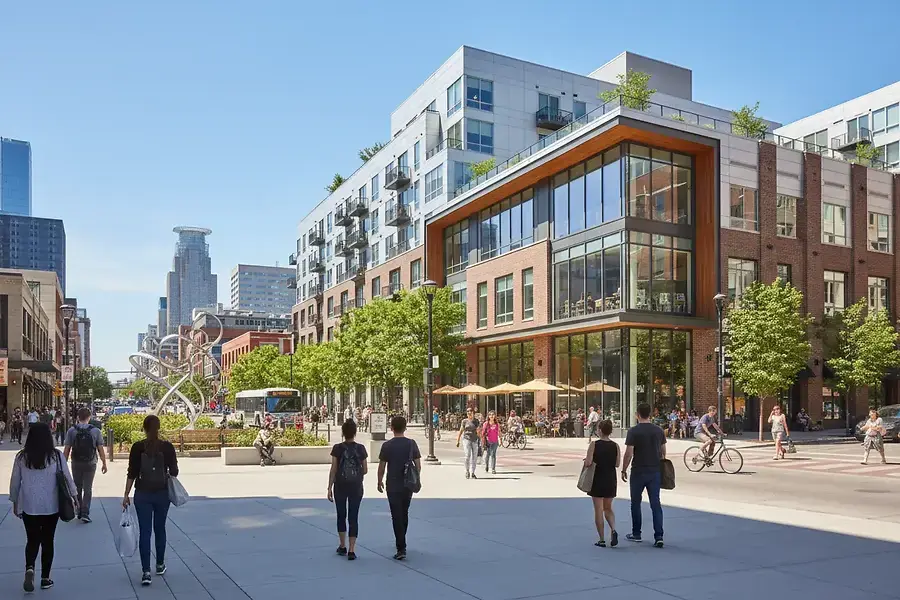
The Twin Cities real estate market is experiencing a significant transformation. Mixed-use properties—developments that combine residential units with commercial spaces—are reshaping how communities live, work, and conduct business. This innovative approach to urban and suburban development is no longer a niche concept; it has become a mainstream investment strategy that savvy real estate professionals are embracing across Minneapolis, Saint Paul, and surrounding areas.
The appeal of mixed-use properties lies in their versatility and economic efficiency. Rather than segregating residential areas from commercial districts, these hybrid developments create vibrant, walkable neighborhoods where residents can live, shop, dine, and work within the same community. This shift reflects changing consumer preferences and the growing demand for convenience, sustainability, and community-oriented living spaces.
For investors, mixed-use properties represent a compelling opportunity to diversify income streams while contributing to neighborhood revitalization. The combination of residential rental income and commercial lease revenue creates a more stable and resilient investment portfolio compared to single-use properties.
Strategic Locations for Residential-Commercial Properties in the Twin Cities
Downtown Minneapolis and Saint Paul Corridors
The downtown cores of Minneapolis and Saint Paul remain prime locations for mixed-use development. These areas benefit from established infrastructure, public transportation access, and a concentration of businesses and cultural attractions. Properties in these corridors command premium prices but offer strong rental demand and excellent visibility for commercial tenants.
Suburban Growth Centers
Beyond the downtown areas, suburban communities are emerging as hotspots for mixed-use development. Areas like Edina, Bloomington, and Minnetonka are experiencing significant growth in residential-commercial hybrid projects. These locations offer more affordable entry points for investors while still providing strong market fundamentals and community demand.
Transit-Oriented Developments
Properties near light rail stations and major transit hubs are particularly attractive for mixed-use development. The accessibility provided by public transportation increases foot traffic for commercial tenants and makes residential units more desirable for commuters. These locations typically experience higher appreciation rates and stronger rental demand.
Neighborhood Revitalization Zones
Emerging neighborhoods undergoing revitalization present excellent opportunities for forward-thinking investors. Areas with improving infrastructure, new amenities, and growing populations offer the potential for significant long-term appreciation. Mixed-use properties in these zones can serve as catalysts for further neighborhood development.
Investment Benefits and Market Advantages of Dual-Purpose Properties
Diversified Income Streams
The primary advantage of mixed-use properties is income diversification. Rather than relying solely on residential or commercial revenue, investors benefit from multiple income sources. This reduces risk and provides greater financial stability, particularly during market fluctuations that may affect one sector more than another.
Higher Overall Returns
Mixed-use properties typically generate higher overall returns compared to single-use developments. The combination of residential and commercial income, along with potential appreciation, creates a more attractive investment profile. Many investors report that mixed-use properties outperform traditional residential or commercial investments.
Reduced Vacancy Risk
When one sector experiences a downturn, the other may remain stable or even thrive. This natural hedge protects investors from the impact of sector-specific downturns. For example, if commercial vacancy rates rise, residential units may still maintain strong occupancy rates, ensuring consistent cash flow.
Community Appeal and Sustainability
Mixed-use properties align with modern urban planning principles and consumer preferences for walkable, sustainable communities. This appeal attracts quality tenants—both residential and commercial—and supports long-term property value appreciation. Properties that contribute to vibrant, livable communities are increasingly valued by both investors and residents.
Financing and Development Advantages
Lenders view mixed-use properties favorably because of their diversified income potential and reduced risk profile. This often translates to better financing terms and lower interest rates. Additionally, many municipalities offer incentives and tax breaks for mixed-use development, further improving investment returns.
Operational Synergies
Mixed-use properties benefit from operational efficiencies. A single management team can oversee both residential and commercial operations, reducing administrative costs. Shared amenities, parking facilities, and maintenance services create economies of scale that improve profitability.
Market Positioning and Competitive Advantage
Investors who specialize in mixed-use properties position themselves as experts in a growing market segment. This expertise attracts quality tenants, lenders, and potential partners. As the Twin Cities market continues to evolve, mixed-use property specialists will be well-positioned to capitalize on emerging opportunities.
Conclusion: Positioning Yourself as a Mixed-Use Real Estate Expert
The Twin Cities real estate market is at an inflection point. Mixed-use properties represent the future of urban and suburban development, offering investors unprecedented opportunities for growth and diversification. Whether you're a seasoned real estate professional or an emerging investor, understanding and embracing mixed-use development strategies is essential for long-term success.
To position yourself as a mixed-use real estate expert, focus on:
- Market Research: Stay informed about demographic trends, zoning changes, and development opportunities in key Twin Cities neighborhoods.
- Relationship Building: Develop connections with developers, municipal planners, and commercial tenants to identify emerging opportunities.
- Financial Analysis: Master the financial modeling required to evaluate mixed-use properties, including dual income stream analysis and risk assessment.
- Community Engagement: Understand the importance of community input and support in mixed-use development success.
- Continuous Learning: Stay current with industry trends, financing innovations, and best practices in mixed-use development.
The Twin Cities region is experiencing unprecedented growth and transformation. Mixed-use properties are at the forefront of this evolution, creating value for investors, improving quality of life for residents, and strengthening communities. By embracing this trend and developing expertise in mixed-use real estate, you can position yourself for significant success in Minnesota's dynamic and growing property market.


