Mixed-Use Properties: The Smart Investment Strategy for DFW Investors
Discover why combining residential and commercial real estate in Dallas-Fort Worth offers superior returns and market resilience.

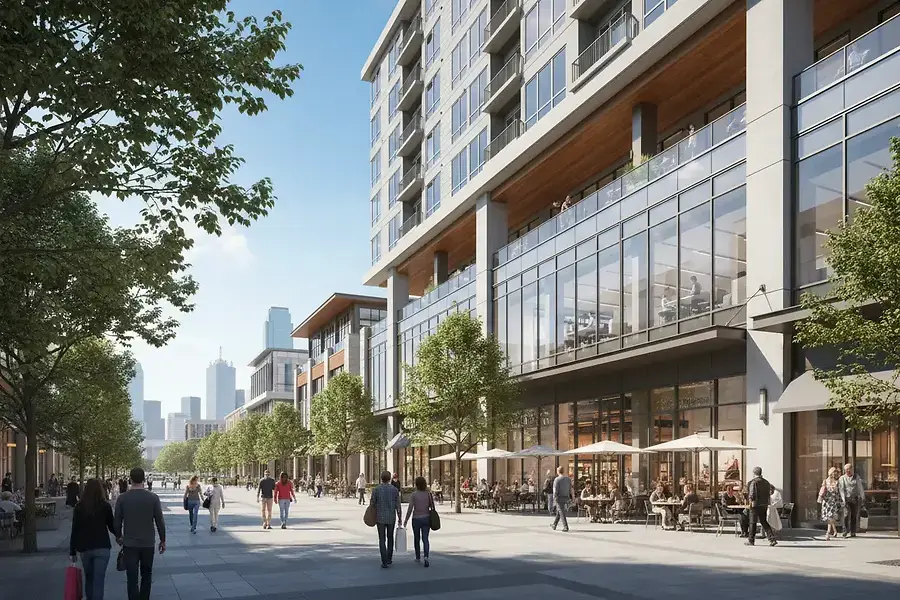
Understanding Mixed-Use Properties and Market Demand in DFW
Mixed-use properties represent a dynamic real estate investment category that combines residential, commercial, and sometimes retail spaces within a single development. In the Dallas-Fort Worth metroplex, this investment model has gained significant traction as the region continues to experience rapid urbanization and population growth.
The DFW market is uniquely positioned for mixed-use development. With a population exceeding 7 million people and consistent economic growth, the demand for integrated living and working spaces has never been stronger. Professionals increasingly seek walkable neighborhoods where they can live, work, and shop without extensive commutes, making mixed-use properties an ideal solution to this market need.
Why DFW is Ideal for Mixed-Use Investments
Dallas-Fort Worth's diverse economy, spanning technology, healthcare, finance, and manufacturing sectors, creates robust demand for both residential and commercial real estate. The region's business-friendly environment and favorable tax policies attract companies and talent continuously, fueling demand for mixed-use developments that cater to modern lifestyle preferences.
Investment Benefits: Revenue Diversification and Long-Term Growth Potential
One of the most compelling advantages of mixed-use properties is revenue diversification. Unlike traditional single-use investments, mixed-use properties generate income from multiple sources simultaneously, reducing financial risk and creating more stable cash flows.
Multiple Income Streams
- Residential Rental Income: Apartments or condominiums provide consistent monthly rental revenue from tenants seeking convenient urban living.
- Commercial Leasing: Office spaces, retail units, and service providers generate higher per-square-foot rental rates than residential units.
- Parking Revenue: Many mixed-use properties include parking facilities that generate additional income.
- Amenity Services: Ground-floor retail, restaurants, and services create additional revenue opportunities.
Market Resilience and Long-Term Growth
Mixed-use properties demonstrate remarkable resilience during economic fluctuations. When residential markets soften, commercial tenants may remain stable, and vice versa. This natural hedge protects investors from market volatility and provides consistent returns regardless of economic cycles.
Furthermore, mixed-use developments typically appreciate faster than single-use properties. The integrated nature of these properties creates higher property values, increased foot traffic, and enhanced neighborhood appeal—all factors that drive long-term appreciation and investor returns.
Operational Efficiency
Managing a single property with multiple revenue streams often proves more efficient than managing separate properties across different locations. Centralized management reduces operational costs, simplifies maintenance coordination, and improves overall property performance.
Top Neighborhoods for Mixed-Use Development Across the Metroplex
Dallas Urban Core
Downtown Dallas and surrounding neighborhoods like Deep Ellum, Uptown, and Victory Park have emerged as premier mixed-use destinations. These areas feature established infrastructure, vibrant cultural scenes, and strong demand for both residential and commercial spaces. Investors in these neighborhoods benefit from high visibility and consistent tenant demand.
Fort Worth's Cultural District
Fort Worth's Cultural District combines world-class museums, theaters, and restaurants with growing residential demand. This neighborhood offers investors the unique advantage of cultural amenities that attract both residents and visitors, supporting retail and hospitality businesses within mixed-use developments.
Emerging Growth Corridors
Areas along the Dallas-Fort Worth corridor, including Las Colinas, Frisco, and Plano, represent emerging opportunities for mixed-use development. These rapidly growing suburbs offer lower acquisition costs than urban cores while maintaining strong economic fundamentals and population growth.
Transit-Oriented Developments
Properties near DART light rail stations and future transit hubs command premium valuations. Transit-oriented mixed-use developments attract residents and businesses seeking reduced car dependency, making these locations particularly attractive for long-term investment.
Getting Started: How to Evaluate and Acquire Your First Mixed-Use Property
Conduct Thorough Market Analysis
Before investing, analyze local market conditions including population growth rates, employment trends, rental rates for both residential and commercial spaces, and vacancy rates. Understanding these metrics helps you identify neighborhoods with strong growth potential and sustainable demand.
Evaluate Property Fundamentals
When assessing mixed-use properties, examine:
- Tenant Mix Quality: Evaluate the stability and creditworthiness of current tenants. Long-term, established tenants reduce vacancy risk.
- Lease Terms: Review lease lengths, renewal rates, and rental escalation clauses to understand future income stability.
- Physical Condition: Assess building systems, structural integrity, and deferred maintenance that could impact future profitability.
- Zoning and Regulations: Verify zoning compliance and understand local regulations affecting mixed-use operations.
Financial Analysis and Projections
Calculate key metrics including cap rate, cash-on-cash return, and internal rate of return (IRR). Project income from all revenue streams conservatively, accounting for realistic vacancy rates and operating expenses. Compare mixed-use properties against alternative investments to ensure superior risk-adjusted returns.
Secure Appropriate Financing
Mixed-use properties often require specialized financing due to their complexity. Work with lenders experienced in mixed-use transactions who understand the unique income streams and risk profiles. Many conventional lenders offer favorable terms for stabilized mixed-use properties with strong tenant rosters.
Partner with Experienced Professionals
Engage qualified real estate attorneys, accountants, and advisors familiar with mixed-use investments. These professionals help navigate complex transactions, optimize tax strategies, and ensure compliance with local regulations. Their expertise significantly impacts investment success and long-term returns.
Start with Stabilized Properties
For first-time mixed-use investors, acquiring stabilized properties with established tenant bases and proven income streams reduces risk. As you gain experience and market knowledge, you can explore value-add opportunities or development projects offering higher return potential.
The DFW mixed-use real estate market represents a compelling opportunity for investors seeking diversified income, market resilience, and superior long-term returns. By understanding market dynamics, evaluating properties thoroughly, and partnering with experienced professionals, you can build a profitable mixed-use real estate portfolio that thrives through economic cycles.


