Mixed-Use Properties: The Smart Investment Strategy for Maryland Real Estate
Discover how residential and commercial combinations are creating higher returns for investors across Baltimore, Anne Arundel, Howard, and Harford counties.

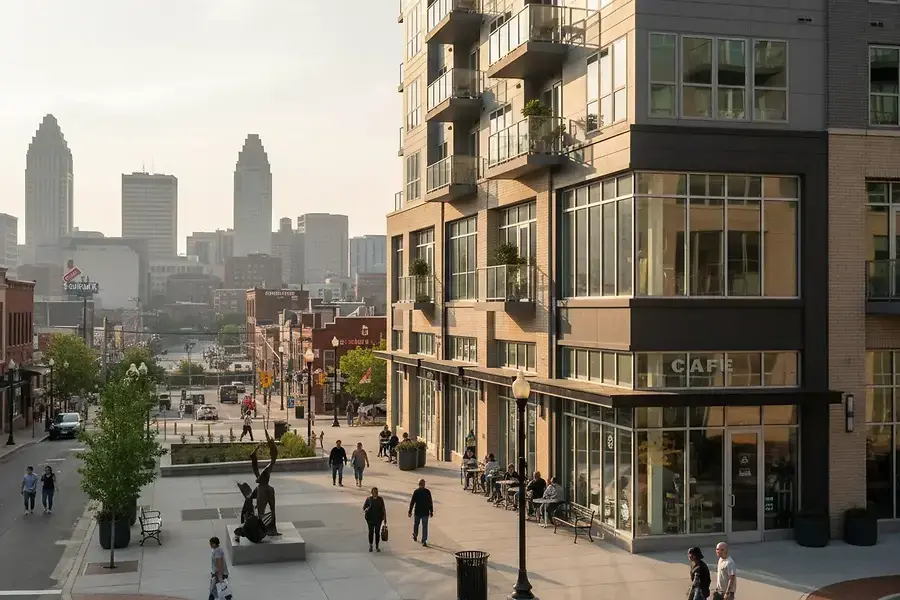
Understanding Mixed-Use Property Opportunities in Maryland
Maryland's real estate market is experiencing a significant shift toward mixed-use properties, where residential units sit alongside retail spaces, offices, or restaurants. This innovative approach to property development is transforming how investors think about real estate returns and community engagement. The Baltimore metropolitan area, encompassing Baltimore, Anne Arundel, Howard, and Harford counties, has become a hotbed for these opportunities.
Mixed-use properties represent a departure from traditional single-purpose real estate investments. Instead of choosing between residential or commercial properties, savvy investors are capitalizing on properties that serve multiple functions. This strategy creates resilience in investment portfolios and opens doors to revenue streams that single-use properties simply cannot match.
What Makes Mixed-Use Properties Attractive?
The appeal of mixed-use properties lies in their versatility and income potential. A property featuring ground-floor retail with residential apartments above generates revenue from multiple sources simultaneously. This diversification reduces risk and provides stability during market fluctuations. When one sector experiences a downturn, other revenue streams can compensate, creating a more balanced investment.
Additionally, mixed-use properties align with modern urban planning principles that emphasize walkability and community integration. Cities and counties across Maryland are actively promoting these developments through zoning incentives and tax benefits, making them increasingly attractive to both developers and investors.
The Financial Benefits of Residential-Commercial Properties
Multiple Revenue Streams
The most obvious financial advantage of mixed-use properties is the ability to generate income from multiple sources. Residential tenants provide stable, long-term rental income, while commercial tenants often sign longer leases at higher rates per square foot. This combination creates a predictable cash flow that appeals to conservative investors seeking steady returns.
Key financial advantages include:
- Higher overall rental income compared to single-use properties
- Longer commercial lease terms providing income stability
- Increased property value appreciation due to diversified use
- Tax benefits and depreciation advantages across multiple property types
- Reduced vacancy risk through tenant diversification
Enhanced Property Valuation
Mixed-use properties typically command higher valuations than comparable single-use properties in the same location. Appraisers recognize the income-generating potential of multiple revenue streams, resulting in higher property assessments. This increased valuation translates to greater equity and stronger collateral for future financing opportunities.
In the Baltimore metropolitan area, properties combining residential and commercial uses have seen appreciation rates that outpace traditional single-use investments. This trend reflects growing demand for convenient, integrated living and working spaces.
Operational Efficiency
Managing a mixed-use property allows investors to optimize operational costs. A single property management team handles maintenance, utilities, and tenant relations across all units. This consolidation reduces overhead expenses compared to managing separate residential and commercial properties, directly improving net operating income.
Market Trends and Growth Potential in the Baltimore Metropolitan Area
Baltimore County's Emerging Opportunities
Baltimore County continues to attract mixed-use development as urban professionals seek suburban convenience with urban amenities. Neighborhoods near transit corridors and downtown areas are experiencing renewed interest from developers and investors. The county's strategic location between Washington, D.C., and Philadelphia positions it as an attractive market for mixed-use investments.
Anne Arundel County's Waterfront Advantage
Anne Arundel County's proximity to the Chesapeake Bay and its established waterfront communities create unique mixed-use opportunities. Properties combining residential living with retail and dining experiences are thriving in areas like Annapolis and Glen Burnie. The county's strong economy and growing population support continued demand for these integrated developments.
Howard County's Tech-Driven Growth
Howard County, home to major technology and healthcare employers, is experiencing robust demand for mixed-use properties. Young professionals and families relocate to the area seeking convenient access to employment centers. Mixed-use developments in Columbia and surrounding areas are capitalizing on this demographic shift, offering residents the ability to live, work, and shop in integrated communities.
Harford County's Expansion Potential
Harford County represents an emerging frontier for mixed-use development. As the county experiences population growth and economic development, forward-thinking investors are positioning themselves in strategic locations. Properties in Bel Air and along major commercial corridors offer significant upside potential as the market matures.
Demographic and Economic Drivers
Several factors are driving the mixed-use property trend across Maryland:
- Millennial and Gen Z preferences: Younger demographics favor walkable communities with integrated living and working spaces
- Remote work evolution: Flexible work arrangements increase demand for residential properties near commercial amenities
- Urban revitalization: Cities are investing in infrastructure that supports mixed-use development
- Population growth: Maryland's steady population increase supports demand for diverse property types
- Transit-oriented development: Proximity to public transportation enhances property values and tenant appeal
Zoning and Regulatory Support
Maryland municipalities are actively updating zoning codes to encourage mixed-use development. Tax increment financing districts, opportunity zones, and other incentive programs make these investments more attractive. Local governments recognize that mixed-use properties strengthen communities, increase tax revenues, and create vibrant neighborhoods.
Positioning Yourself for Success in Maryland's Mixed-Use Market
Strategic Location Selection
Success in mixed-use investing begins with location. Properties near transit hubs, employment centers, and established commercial districts offer the strongest potential. Investors should focus on areas experiencing population growth and economic development, particularly in the Baltimore metropolitan region's expanding suburbs.
Understanding Your Market
Each county within the Baltimore metropolitan area has distinct characteristics. Successful investors conduct thorough market analysis, understanding local demographics, employment patterns, and development trends. This research informs property selection and helps identify emerging opportunities before they become obvious to the broader market.
Financial Planning and Partnerships
Mixed-use properties often require larger initial investments than single-use properties. Partnering with experienced developers, property managers, and financial advisors strengthens investment outcomes. These partnerships provide expertise in navigating the complexities of managing multiple property types and tenant categories.
Mixed-use properties represent the future of real estate investment in Maryland, offering investors the opportunity to build diversified portfolios that generate stable, growing returns while contributing to vibrant, walkable communities.
Long-Term Vision
The most successful mixed-use investors adopt a long-term perspective. These properties appreciate steadily as communities develop and demand for integrated living spaces grows. Patient investors who hold properties through market cycles benefit from both income generation and significant appreciation.
Maryland's mixed-use property market is poised for continued growth. Investors who understand the financial benefits, recognize emerging market trends, and strategically position themselves in high-potential locations will be well-positioned to capitalize on this transformative shift in real estate investment. Whether in Baltimore, Anne Arundel, Howard, or Harford counties, mixed-use properties offer a compelling path to building wealth while supporting the development of stronger, more vibrant communities.


