Mixed-Use Properties: Transform Your Phoenix Real Estate Portfolio
Discover how residential-commercial hybrids are reshaping Phoenix's investment landscape and creating unprecedented opportunities.

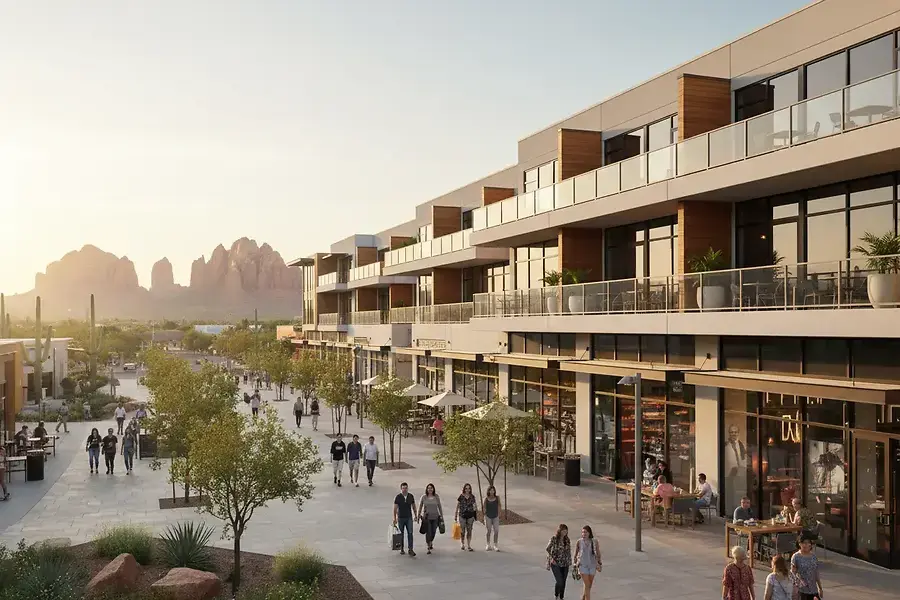
The Rise of Mixed-Use Development in Phoenix
Phoenix's real estate market is experiencing a transformative shift as mixed-use properties gain prominence across the metropolitan area. These innovative developments, which seamlessly blend residential units with commercial spaces, are reshaping how investors approach portfolio diversification and urban development. The convergence of residential living and business operations within a single property has created a new paradigm for real estate investment.
The appeal of mixed-use properties lies in their ability to generate multiple revenue streams while meeting the evolving demands of modern urban dwellers. Residents increasingly seek walkable neighborhoods where they can live, work, and shop without extensive commutes. Phoenix's rapid growth and expanding population have created the perfect conditions for these hybrid developments to flourish, attracting both institutional investors and individual property owners.
Key drivers of mixed-use development in Phoenix include:
- Growing demand for urban living spaces with convenient amenities
- Increased focus on sustainable, walkable communities
- Rising commercial real estate costs making shared spaces more attractive
- Demographic shifts favoring mixed-use neighborhoods
- Municipal support for downtown revitalization projects
Why Investors Are Choosing Residential-Commercial Properties
Diversified Revenue Streams
Mixed-use properties offer investors a significant advantage through revenue diversification. Rather than relying solely on residential rental income or commercial lease payments, property owners can balance both income sources. This dual-revenue model provides greater financial stability and reduces the risk associated with market fluctuations in either sector.
When residential occupancy rates dip, strong commercial performance can offset losses. Conversely, during commercial downturns, residential tenants provide consistent cash flow. This balance creates a more resilient investment that weathers economic cycles more effectively than single-use properties.
Enhanced Property Value and Appreciation
Mixed-use properties typically command premium valuations compared to single-use alternatives. The versatility and income-generating potential of these properties make them attractive to a broader range of buyers and investors. As Phoenix continues to develop and mature, properties offering multiple uses tend to appreciate at faster rates than conventional residential or commercial real estate.
The combination of location, functionality, and revenue potential creates a compelling investment thesis that appeals to both conservative and aggressive investors.
Tenant Retention and Stability
Mixed-use developments foster vibrant communities that encourage longer tenant retention. Residents appreciate the convenience of having shops, restaurants, and services within their building or immediate vicinity. This sense of community and accessibility translates to lower vacancy rates and more stable, predictable income streams for property owners.
Commercial tenants also benefit from the built-in customer base of residential units, making these spaces particularly attractive to retail and service-oriented businesses. This symbiotic relationship strengthens the overall property ecosystem.
Operational Efficiency
Managing a mixed-use property allows investors to optimize operational costs through shared infrastructure. Maintenance, security, utilities, and management services can be coordinated across both residential and commercial components, reducing per-unit expenses and improving overall profitability.
Navigating Zoning and Regulatory Requirements in Phoenix
Understanding Phoenix's Zoning Framework
Phoenix's zoning regulations have evolved to accommodate mixed-use development, but navigating these requirements remains crucial for successful projects. The city has designated specific zones where residential-commercial combinations are permitted, with varying density and use restrictions depending on location.
Before investing in a mixed-use property, investors should:
- Review current zoning designations and permitted uses
- Understand density requirements and building height restrictions
- Identify parking and accessibility standards
- Evaluate environmental compliance obligations
- Assess future zoning change possibilities
Permitting and Approval Processes
Mixed-use developments typically require more extensive permitting than single-use properties. Investors must navigate multiple approval stages, including site plan reviews, conditional use permits, and potentially variance requests. Engaging experienced local professionals early in the process can significantly streamline these procedures.
Phoenix's planning department has become increasingly supportive of mixed-use projects that align with the city's growth strategy and sustainability goals. Properties that incorporate green building practices, public spaces, and community benefits often receive expedited approvals.
Compliance Considerations
Mixed-use properties must comply with building codes applicable to both residential and commercial uses. Fire safety, accessibility requirements, and utility systems must meet dual-use standards. Additionally, property owners must ensure that residential and commercial operations don't create conflicts—such as noise or traffic issues—that could violate nuisance ordinances.
Successful mixed-use investors view regulatory compliance not as an obstacle, but as an opportunity to build properties that meet community needs and municipal objectives.
Future-Proofing Your Investment
Phoenix's regulatory landscape continues to evolve in favor of mixed-use development. Investors should monitor proposed zoning changes and development incentives that could enhance property values. Properties positioned in areas targeted for mixed-use growth offer exceptional long-term appreciation potential.
Conclusion: Positioning Yourself in Phoenix's Evolving Market
Mixed-use properties represent a compelling opportunity for investors seeking to capitalize on Phoenix's dynamic real estate market. The combination of diversified revenue streams, enhanced property values, and strong community appeal makes these investments particularly attractive in the current economic environment.
Success in mixed-use real estate requires careful site selection, thorough due diligence on zoning and regulatory matters, and a clear understanding of local market dynamics. Investors who take the time to understand these factors and work with experienced professionals can position themselves to benefit from Phoenix's continued growth and evolution.
The future of Phoenix real estate is mixed-use. By embracing this trend and understanding the opportunities and challenges it presents, investors can build portfolios that generate consistent returns while contributing to the creation of vibrant, walkable communities that define modern urban living.


