Mixed-Use Properties: Your Guide to Residential-Commercial Investments in the DMV
Discover how affluent neighborhoods like Potomac and Chevy Chase are blending residential comfort with commercial opportunity for savvy investors.

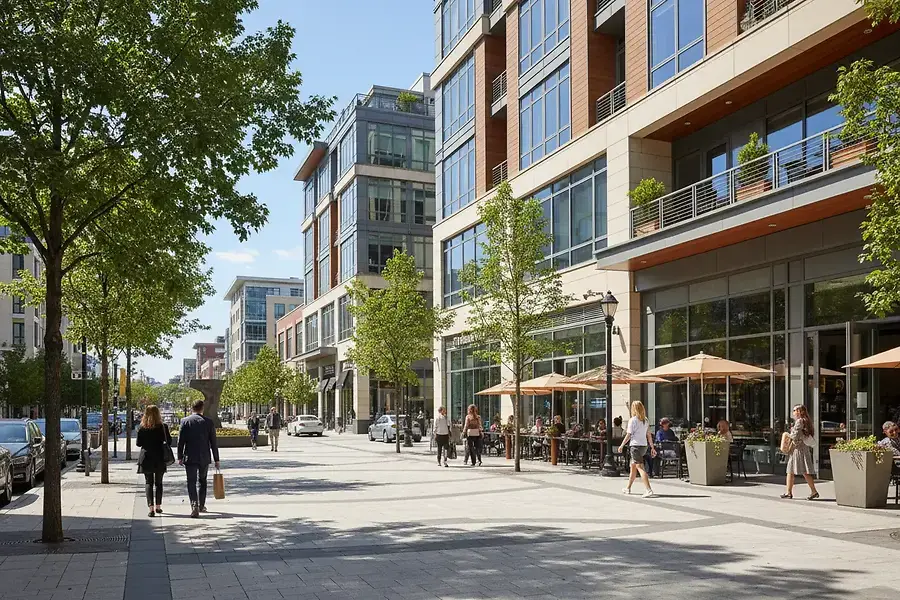
The Rise of Residential-Commercial Properties in the DMV
The Washington, D.C. metropolitan area has experienced a significant transformation in recent years, with mixed-use properties becoming increasingly popular among investors and developers. These innovative properties seamlessly blend residential living spaces with commercial ventures, creating vibrant communities that cater to modern lifestyles.
The DMV region, encompassing Washington D.C., Maryland, and Northern Virginia, has become a hotbed for mixed-use development. Affluent neighborhoods like Potomac, Chevy Chase, and Bethesda are leading the charge, attracting investors who recognize the tremendous potential of combining residential comfort with commercial opportunity. This trend reflects a broader shift in how people want to live and work, with many seeking walkable communities where they can live, shop, dine, and conduct business without leaving their neighborhood.
The appeal is clear: mixed-use properties offer multiple revenue streams, reduced vacancy risks, and the ability to create thriving, self-sustaining communities. For investors, this means enhanced returns and long-term stability in one of the nation's most robust real estate markets.
Understanding Mixed-Use Development: Benefits for Investors and Residents
What Are Mixed-Use Properties?
Mixed-use properties are developments that combine two or more uses within a single building or complex. Typically, these include residential units on upper floors with retail, restaurants, offices, or entertainment venues on ground and lower levels. This integration creates a dynamic ecosystem where residents, workers, and visitors interact seamlessly.
Key Benefits for Investors
Mixed-use properties offer several compelling advantages for savvy investors:
- Diversified Revenue Streams: By combining residential and commercial spaces, investors can generate income from multiple sources, reducing dependence on any single tenant or market segment.
- Higher Occupancy Rates: The variety of uses typically results in lower vacancy rates compared to single-use properties, as different market segments fill different spaces.
- Increased Property Values: Mixed-use developments often command premium prices due to their versatility and appeal to a broader range of tenants and buyers.
- Tax Advantages: Investors may benefit from depreciation deductions and other tax incentives associated with commercial and residential properties.
- Resilience: If one market segment faces challenges, other revenue streams can help stabilize overall returns.
Benefits for Residents and Communities
Beyond investor returns, mixed-use properties enhance quality of life for residents and strengthen communities:
- Walkability: Residents can access shopping, dining, and services without relying on cars, promoting a healthier, more sustainable lifestyle.
- Community Vibrancy: Ground-level retail and restaurants create lively streetscapes and foster social interaction.
- Convenience: Living, working, and shopping in one location saves time and reduces commuting stress.
- Economic Growth: These developments attract businesses and create local employment opportunities.
Top Neighborhoods for Residential-Commercial Opportunities: From Bethesda to Wesley Heights
Bethesda, Maryland
Bethesda stands as a premier destination for mixed-use investment. The downtown area has undergone remarkable revitalization, with modern residential towers rising above street-level retail and dining establishments. The neighborhood's proximity to Metro transit, excellent schools, and affluent demographics make it highly attractive to both investors and residents. Properties here command strong rental rates and appreciation potential.
Potomac, Maryland
Known for its luxury estates and affluent population, Potomac is increasingly embracing mixed-use development. The village center has evolved into a sophisticated mixed-use hub, combining upscale residential units with high-end retail, restaurants, and professional offices. Investors here benefit from the area's strong demographic profile and consistent demand for premium properties.
Chevy Chase, Maryland
Chevy Chase's tree-lined streets and established character make it an ideal location for thoughtfully designed mixed-use properties. The neighborhood balances preservation of its residential charm with strategic commercial development. Properties that respect the area's aesthetic while offering modern amenities attract discerning investors and tenants willing to pay premium prices.
Wesley Heights, Washington D.C.
This charming D.C. neighborhood is experiencing renewed interest from developers and investors. Wesley Heights offers a unique opportunity to create mixed-use properties that blend historic character with contemporary commercial spaces. The area's walkability, proximity to Georgetown, and strong community identity make it an emerging hotspot for forward-thinking investors.
Other Notable Areas
Beyond these flagship neighborhoods, emerging mixed-use opportunities exist throughout the DMV. Areas like Silver Spring, Arlington, and Alexandria offer excellent potential for investors seeking slightly lower entry points while maintaining strong fundamentals and growth prospects.
Positioning Yourself as a Mixed-Use Real Estate Expert
Key Considerations for Investors
Before diving into mixed-use property investment, consider these critical factors:
- Market Research: Thoroughly analyze neighborhood demographics, foot traffic patterns, and commercial demand before investing.
- Zoning and Regulations: Understand local zoning laws and development regulations that may impact your project's feasibility and profitability.
- Property Management: Mixed-use properties require sophisticated management to balance residential tenant needs with commercial operations.
- Financing: Securing appropriate financing for mixed-use properties may be more complex than traditional real estate loans.
- Professional Partnerships: Work with experienced architects, contractors, and property managers who understand mixed-use dynamics.
The Future of Mixed-Use in the DMV
The mixed-use real estate trend in the DMV shows no signs of slowing. As remote work becomes more prevalent and younger generations prioritize walkable communities, demand for these properties will likely continue growing. Investors who position themselves early in emerging neighborhoods stand to benefit significantly from this shift.
The DMV's strong economy, excellent schools, and affluent demographics create an ideal environment for mixed-use development. Whether you're a seasoned investor or exploring real estate opportunities for the first time, mixed-use properties offer a compelling path to diversified returns and community impact.
Conclusion
Mixed-use properties represent a sophisticated investment strategy that aligns with evolving lifestyle preferences and market dynamics. The DMV region, with its affluent neighborhoods and strong fundamentals, offers exceptional opportunities for investors willing to embrace this innovative approach to real estate.
By understanding the benefits, identifying prime neighborhoods, and carefully evaluating opportunities, you can position yourself as a knowledgeable mixed-use real estate investor. The combination of residential comfort and commercial opportunity that defines these properties creates a winning formula for long-term wealth building and community enhancement in the nation's capital region.


