Mixed-Use Properties: Your Guide to Residential/Commercial Investment
Discover how to maximize returns by investing in versatile properties that blend residential and commercial spaces across the Twin Cities metro.

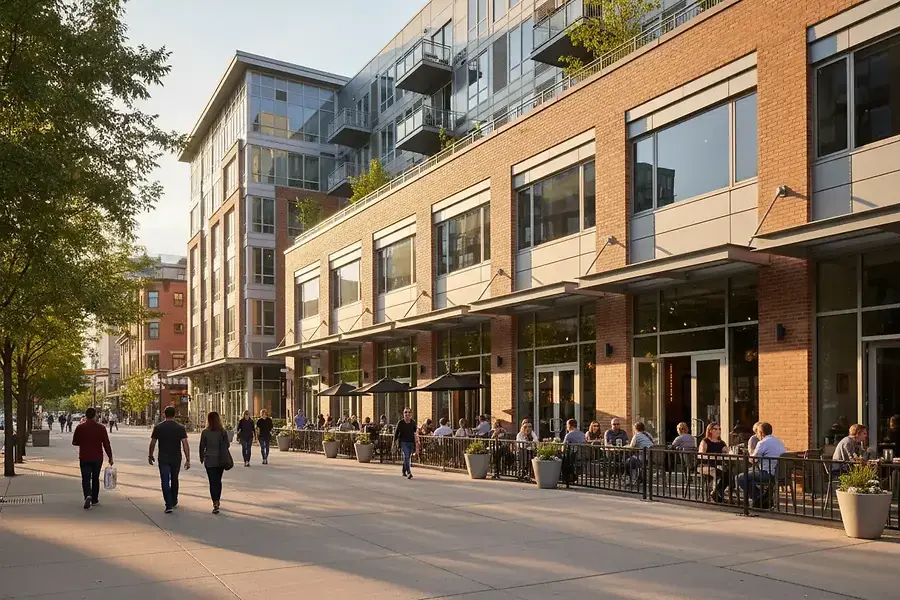
Understanding Mixed-Use Properties and Market Demand in the Twin Cities
Mixed-use properties represent one of the most dynamic investment opportunities in the Twin Cities real estate market. These versatile assets combine residential units with commercial spaces—such as retail shops, offices, restaurants, or service providers—under one roof or within a single development. This hybrid approach creates a self-sustaining ecosystem that appeals to both residents and business owners.
The Twin Cities metro has experienced significant demand for mixed-use developments as urban planners and residents increasingly favor walkable, vibrant communities. The shift toward remote work and flexible lifestyles has made properties that offer convenience and community appeal more attractive than ever. Residents want to live where they can shop, dine, and work without extensive commutes, making mixed-use properties the perfect solution.
Why the Twin Cities Market is Ideal for Mixed-Use Investments
The Twin Cities region has positioned itself as a hub for innovation and sustainable development. Cities like Minneapolis and St. Paul have invested heavily in revitalization projects that emphasize mixed-use zoning. This forward-thinking approach creates a favorable environment for investors seeking properties that blend residential comfort with commercial opportunity.
Investment Benefits: Why Residential/Commercial Properties Outperform Single-Use Assets
Mixed-use properties offer compelling advantages over traditional single-use investments. Here's why savvy investors are turning to this strategy:
Diversified Income Streams
Unlike single-use properties that rely on one revenue source, mixed-use properties generate income from multiple tenants. Residential units provide stable, long-term rental income, while commercial spaces offer potentially higher per-square-foot returns. This diversification reduces your risk and stabilizes cash flow.
Higher Overall Returns
The combination of residential and commercial income typically produces stronger returns than single-use properties. Commercial tenants often sign longer leases and pay premium rates, while residential units ensure consistent occupancy and predictable revenue.
Increased Property Value
Mixed-use properties command premium valuations in the market. The versatility and income-generating potential make them attractive to a broader range of buyers, which can significantly increase your property's appreciation over time.
Tenant Stability and Retention
When residents can access services, dining, and entertainment within their building or complex, they're more likely to stay longer. This reduces turnover costs and vacancy rates, improving your bottom line.
Operational Efficiency
Managing one property with multiple revenue streams is often more efficient than managing several single-use properties. You benefit from economies of scale in maintenance, utilities, and property management.
Top Mixed-Use Neighborhoods in Maple Grove, Plymouth, Wayzata, and Minnetonka
The Twin Cities suburbs offer exceptional opportunities for mixed-use investments. Here are the most promising neighborhoods:
Maple Grove
Maple Grove has emerged as a premier destination for mixed-use development. The city's commitment to sustainable growth and community-focused planning makes it ideal for investors. Key areas include:
- Downtown Maple Grove: This revitalized district features new mixed-use developments with ground-floor retail and upper-level residential units.
- Arbor Lakes: A master-planned community combining shopping, dining, and residential living in a walkable environment.
Plymouth
Plymouth offers a blend of suburban charm and urban amenities. The city's strategic location and growing population make it attractive for mixed-use investments:
- Old Plymouth: Historic charm meets modern development, with opportunities for adaptive reuse and new construction.
- Highway 169 Corridor: Emerging commercial and residential mixed-use projects along this major thoroughfare.
Wayzata
Wayzata's upscale market and lakeside appeal create unique mixed-use opportunities. The city attracts affluent residents and successful businesses, supporting premium property values:
- Downtown Wayzata: A charming, walkable district with boutique retail, restaurants, and residential lofts.
- Wayzata Bay Area: Waterfront properties combining residential living with commercial services.
Minnetonka
Minnetonka's diverse neighborhoods and strong economic base make it ideal for mixed-use development:
- Excelsior Boulevard Corridor: Emerging mixed-use developments with strong retail and residential potential.
- Wayzata Boulevard District: Established area with growing mixed-use projects and solid tenant demand.
Getting Started: How to Find and Finance Your First Mixed-Use Investment
Finding the Right Property
Start by working with a real estate agent experienced in mixed-use properties. They can identify opportunities that match your investment goals and budget. Look for properties in neighborhoods with:
- Strong population growth and demographic trends
- Supportive zoning and development policies
- Existing or planned infrastructure improvements
- High foot traffic and visibility
- Proximity to amenities and transportation
Conducting Due Diligence
Before committing to a mixed-use property, thoroughly evaluate:
- Market Analysis: Research rental rates, vacancy rates, and tenant demand in the area.
- Property Condition: Hire inspectors to assess both residential and commercial components.
- Zoning and Regulations: Verify that the property complies with local zoning and building codes.
- Tenant Leases: Review existing leases and tenant quality if purchasing an occupied property.
- Financial Performance: Analyze historical income, expenses, and cash flow projections.
Financing Your Investment
Mixed-use properties may require specialized financing. Consider these options:
- Commercial Loans: Traditional commercial mortgages often offer favorable terms for mixed-use properties with strong income potential.
- Portfolio Loans: Some lenders offer portfolio loans that treat mixed-use properties as hybrid investments.
- SBA Loans: If you plan to operate a business in the commercial space, SBA loans may be available.
- Private Financing: Private investors or partnerships can provide flexible financing options.
Pro Tip: Work with a lender experienced in mixed-use properties. They understand the unique income streams and can structure financing that reflects the property's full earning potential.
Building Your Investment Strategy
Success with mixed-use properties requires a clear strategy. Define your goals: Are you seeking immediate cash flow, long-term appreciation, or both? Determine your target neighborhoods, budget, and desired tenant mix. Consider whether you'll actively manage the property or hire a professional management company.
Mixed-use properties in the Twin Cities represent an exceptional opportunity for investors seeking diversified income, strong returns, and long-term growth. By understanding the market, selecting the right neighborhoods, and approaching financing strategically, you can build a profitable mixed-use real estate portfolio. Start your journey today and discover why mixed-use properties are reshaping the Twin Cities investment landscape.


