Mixed-Use Properties: Your Profit Guide for Residential/Commercial Real Estate
Learn how to identify, evaluate, and invest in dual-purpose properties that maximize returns across the Centerville, Dickson, Hohenwald, Linden, and Waverly markets.

Introduction: The Rising Demand for Residential/Commercial Properties
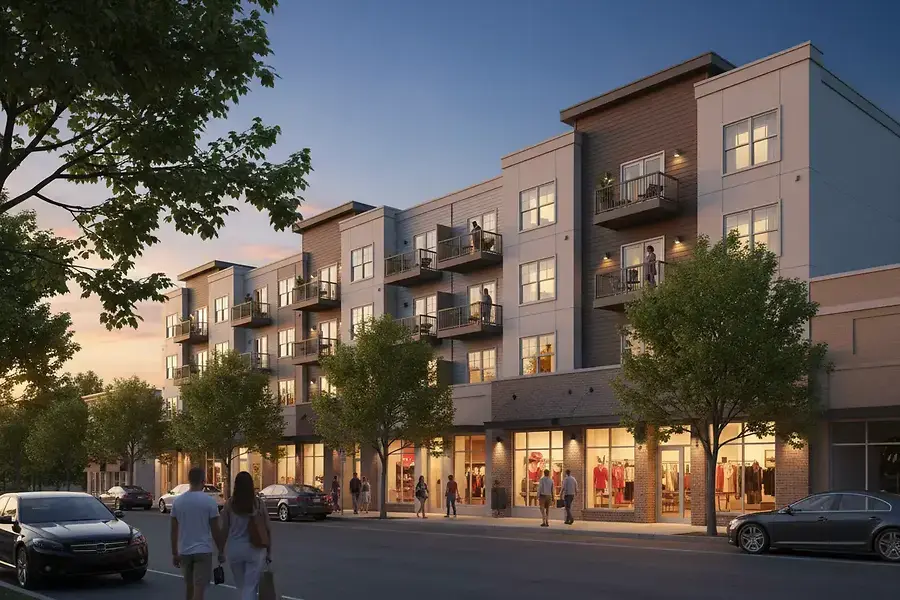
The real estate landscape is shifting, and savvy investors are capitalizing on a powerful trend: mixed-use properties. These dual-purpose investments combine residential units with commercial spaces, creating multiple revenue streams under one roof. In Middle Tennessee markets like Centerville, Dickson, Hohenwald, Linden, and Waverly, this investment strategy is gaining momentum as communities evolve and demand for flexible, walkable spaces increases.
Mixed-use properties offer something traditional single-purpose investments cannot: diversified income potential. Whether you're a seasoned investor or exploring real estate for the first time, understanding how to navigate this market segment can unlock significant profit opportunities. This guide will equip you with the knowledge to identify, evaluate, and invest in properties that work harder for your portfolio.
Understanding Mixed-Use Property Fundamentals and Market Advantages
What Are Mixed-Use Properties?
Mixed-use properties combine residential apartments or condos with ground-floor retail, offices, restaurants, or service businesses. The residential component provides stable, long-term rental income, while commercial tenants generate higher per-square-foot returns and often sign longer leases. This combination creates a balanced, resilient investment.
Key Market Advantages
Mixed-use properties deliver several compelling benefits:
- Multiple Revenue Streams: Residential and commercial tenants pay rent independently, reducing your reliance on a single income source.
- Higher Overall Returns: Commercial spaces typically command premium rents compared to residential-only properties, boosting your cap rate.
- Tenant Diversity: Different tenant types mean lower vacancy risk—if one sector softens, the other may remain strong.
- Property Appreciation: Mixed-use properties in revitalizing neighborhoods often appreciate faster than single-use alternatives.
- Community Appeal: These properties enhance neighborhood walkability and attract quality tenants seeking convenience.
Why Middle Tennessee Markets Are Ideal
Centerville, Dickson, Hohenwald, Linden, and Waverly are experiencing growth that favors mixed-use development. These communities are attracting new residents and businesses while maintaining affordable entry points compared to major metropolitan areas. Local economic development initiatives and population growth create ideal conditions for mixed-use investments to thrive.
Key Strategies for Finding and Evaluating Dual-Purpose Investments in Middle Tennessee
Strategy 1: Identify High-Potential Locations
Location is everything in mixed-use real estate. Focus on areas with:
- Growing residential populations and new housing developments
- Established or emerging commercial districts
- Good foot traffic and visibility from main roads
- Proximity to schools, parks, and community amenities
- Local zoning that permits mixed-use development
In Middle Tennessee, downtown revitalization projects and areas near major employers are particularly promising. Research local city planning documents and speak with commercial real estate agents familiar with each market's trajectory.
Strategy 2: Analyze the Numbers Thoroughly
Evaluating mixed-use properties requires detailed financial analysis. Consider these metrics:
- Cap Rate: Calculate separately for residential and commercial components to understand each segment's performance.
- Debt Service Coverage Ratio (DSCR): Ensure combined income comfortably covers mortgage payments and operating expenses.
- Occupancy Rates: Research historical vacancy rates for both residential and commercial tenants in the area.
- Expense Ratios: Mixed-use properties may have higher maintenance costs due to shared systems and commercial tenant requirements.
- Lease Terms: Commercial leases are typically longer (3-10 years) than residential (1 year), affecting cash flow stability.
Pro Tip: Request at least three years of historical financial statements from the seller. This reveals true operating performance and helps you identify trends.
Strategy 3: Understand Tenant Mix and Compatibility
The success of a mixed-use property depends heavily on tenant compatibility. Ideal commercial tenants for residential buildings include:
- Coffee shops and casual restaurants
- Professional offices (accounting, legal, medical)
- Retail boutiques and specialty shops
- Fitness studios and wellness services
- Salons and personal services
Avoid tenants that create noise, odors, or traffic conflicts with residential neighbors. A well-curated tenant mix enhances property value and resident satisfaction, leading to lower turnover and higher rents.
Strategy 4: Evaluate Property Condition and Systems
Mixed-use properties have more complex infrastructure than single-use buildings. Commission thorough inspections covering:
- Separate HVAC, electrical, and plumbing systems for residential and commercial areas
- Parking adequacy for both residential and commercial users
- ADA compliance for commercial spaces
- Building code compliance for mixed-use occupancy
- Roof condition and remaining useful life
Deferred maintenance in shared systems can become expensive. Budget for upgrades and factor these costs into your investment analysis.
Strategy 5: Master the Financing Landscape
Financing mixed-use properties differs from traditional residential mortgages. Options include:
- Commercial Loans: Typically require 20-30% down payment and are based on property income.
- SBA Loans: Can offer favorable terms for owner-occupied mixed-use properties.
- Portfolio Lenders: Local and regional banks often have flexible programs for mixed-use investments.
- Bridge Financing: Useful for value-add opportunities requiring renovation before stabilization.
Work with lenders experienced in mixed-use properties. They understand the unique cash flow dynamics and can structure loans that reflect your property's dual-income nature.
Strategy 6: Plan for Value-Add Opportunities
The best mixed-use investments often have upside potential. Look for properties where you can:
- Upgrade residential units to command higher rents
- Improve commercial spaces to attract premium tenants
- Optimize the tenant mix for better compatibility and returns
- Enhance curb appeal and common areas
- Implement professional property management systems
These improvements can significantly increase property value and income, justifying your investment and accelerating returns.
Conclusion: Position Yourself as a Mixed-Use Real Estate Expert
Mixed-use properties represent a sophisticated investment strategy that rewards thorough analysis and strategic thinking. By understanding market fundamentals, mastering financial evaluation, and implementing proven strategies, you can identify exceptional opportunities in Centerville, Dickson, Hohenwald, Linden, and Waverly.
The key to success is due diligence. Take time to analyze each property's numbers, understand its tenant dynamics, and envision its potential. Partner with experienced professionals—brokers, lenders, inspectors, and accountants—who understand mixed-use real estate.
As these Middle Tennessee markets continue to grow and evolve, mixed-use properties will become increasingly valuable. Start your journey today by researching available properties, building your knowledge, and positioning yourself to capitalize on this lucrative investment segment. Your path to mixed-use real estate success begins now.


