Mixed-Use Property Investment Opportunities Across the DFW Metroplex
Discover how commercial and residential hybrid developments are reshaping neighborhoods from Arlington to Plano and creating wealth-building opportunities for savvy investors.

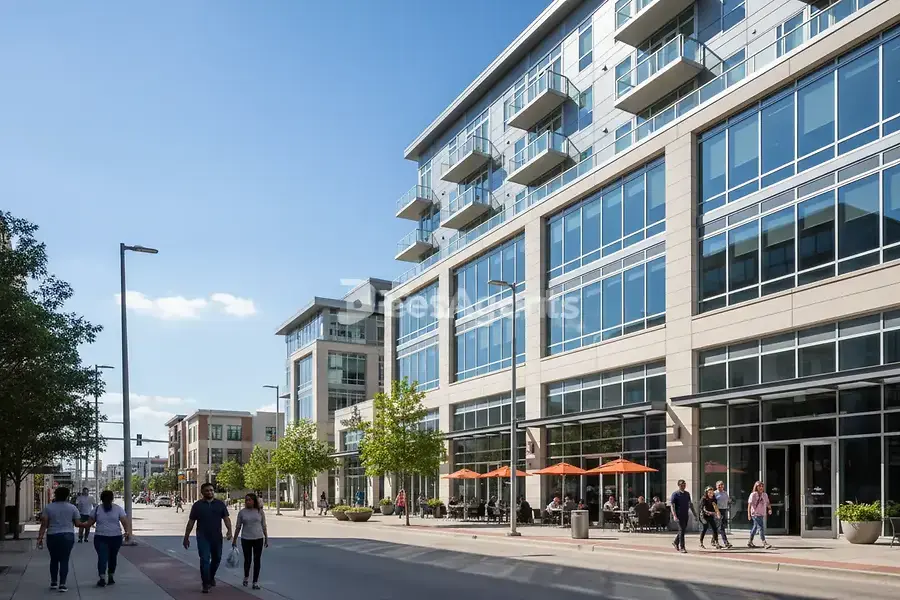
The Rise of Mixed-Use Development in North Texas Communities
The Dallas-Fort Worth metroplex has experienced a remarkable transformation in recent years, with mixed-use developments becoming the cornerstone of urban revitalization. These hybrid properties—combining residential apartments, retail spaces, offices, and entertainment venues under one roof—are fundamentally reshaping how communities function and how investors approach real estate opportunities.
From the vibrant corridors of Arlington to the tech-forward neighborhoods of Plano, mixed-use developments are addressing a critical market demand. Urban professionals increasingly prefer walkable communities where they can live, work, and play without relying heavily on automobiles. This shift in consumer preferences has created unprecedented investment opportunities for those who understand the dynamics of this emerging segment.
The DFW region's population growth, coupled with its strong economic fundamentals and business-friendly environment, has made it an ideal location for mixed-use development. Major corporations continue to relocate their headquarters and regional offices to North Texas, driving demand for both residential housing and commercial space.
Evaluating Residential/Commercial Properties: Key Metrics and Location Advantages
Understanding the Financial Metrics
When evaluating mixed-use properties, investors must analyze several critical metrics that differ from traditional single-use real estate investments. Cap rates, occupancy rates, and tenant diversification become increasingly important when managing multiple revenue streams within a single property.
- Blended Cap Rate: Calculate returns by combining residential rental income with commercial lease revenue, providing a comprehensive view of property performance
- Occupancy Rates: Monitor both residential and commercial occupancy separately, as they may fluctuate independently based on market conditions
- Tenant Mix Quality: Evaluate the creditworthiness and stability of commercial tenants alongside residential lease terms
- Revenue Diversification: Properties with balanced income sources are more resilient during economic downturns
Location Advantages in the DFW Market
Strategic location is paramount in mixed-use development success. The DFW metroplex offers several compelling advantages for investors:
Transit-Oriented Development: Properties near DART rail stations, major highways, and employment centers command premium valuations. Areas like Uptown Dallas, Las Colinas, and the Plano Legacy corridor have become hotspots for mixed-use investment.
Demographic Alignment: North Texas attracts young professionals, families, and retirees—demographics that fuel demand for mixed-use communities. The region's median age and income levels support both residential and commercial components of hybrid developments.
Economic Resilience: The DFW economy's diversification across technology, healthcare, finance, and manufacturing sectors provides stability for commercial tenants and residential demand.
Investment Strategies for Portfolio Diversification in the DFW Market
Direct Property Ownership
Purchasing mixed-use properties outright offers maximum control and long-term wealth accumulation potential. This strategy works best for investors with substantial capital and the ability to manage complex properties with multiple tenant types.
"Mixed-use properties provide the ultimate diversification within a single asset, combining the stability of residential income with the higher yields of commercial leasing."
Real Estate Investment Trusts (REITs)
For investors seeking exposure without direct management responsibilities, REITs specializing in mixed-use properties offer liquidity and professional management. Several major REITs have significant holdings in the DFW region.
Syndication and Partnership Models
Joining investment syndicates allows smaller investors to participate in larger mixed-use developments. These partnerships distribute risk while providing access to institutional-quality properties that would otherwise require substantial capital.
Development and Value-Add Opportunities
Experienced investors can identify underutilized properties and reimagine them as mixed-use developments. Converting aging office buildings into residential-commercial hybrids or expanding existing properties with complementary uses can generate significant returns.
Positioning Yourself for Success in This Emerging Real Estate Segment
Conduct Thorough Market Research
Success in mixed-use investing requires deep understanding of local market dynamics. Study demographic trends, employment growth patterns, and development pipelines in your target neighborhoods. Knowledge of zoning regulations and development incentives can reveal hidden opportunities.
Build a Qualified Team
Mixed-use properties demand expertise across multiple disciplines. Assemble a team including:
- Real estate attorneys familiar with mixed-use zoning and regulations
- Commercial and residential appraisers with mixed-use experience
- Property managers experienced in managing diverse tenant bases
- Financial advisors who understand the unique tax implications
- Market analysts tracking DFW commercial and residential trends
Understand the Regulatory Environment
Mixed-use developments involve complex zoning, parking requirements, and building codes. Familiarize yourself with municipal regulations in Arlington, Plano, Dallas, and other DFW communities where you plan to invest. Some municipalities offer tax incentives for mixed-use development that can enhance returns.
Focus on Sustainable Growth
The most successful mixed-use properties are those that adapt to changing community needs. Flexibility in tenant mix, amenities, and services ensures long-term viability. Properties that incorporate green building practices and modern technology appeal to both residential and commercial tenants.
Monitor Market Cycles
Real estate markets are cyclical. Understanding where the DFW market stands in its cycle helps inform timing decisions. Current market conditions suggest strong fundamentals, but prudent investors maintain awareness of economic indicators and interest rate trends.
Conclusion
Mixed-use property investments represent a compelling opportunity for investors seeking diversification and growth in the DFW metroplex. By combining residential and commercial components, these properties offer multiple revenue streams, reduced vacancy risk, and alignment with evolving consumer preferences for walkable, vibrant communities.
Whether you're a seasoned real estate investor or exploring your first mixed-use opportunity, the DFW market offers numerous entry points. Success requires thorough research, strategic planning, and a commitment to understanding the unique dynamics of this emerging segment. The investors who position themselves now are likely to benefit significantly as mixed-use development continues to reshape North Texas communities and create lasting wealth.


