Mixed-Use Property Opportunities in Dayton and Centerville, OH
Discover how residential-commercial properties are transforming neighborhoods and creating investment potential in Ohio's premier suburbs.

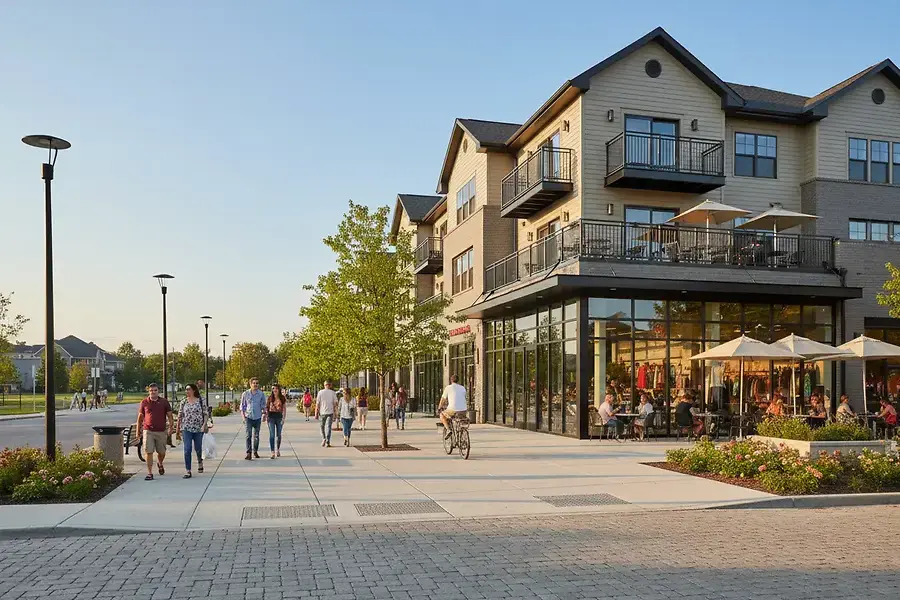
Understanding Mixed-Use Real Estate: Definition and Market Growth
Mixed-use properties represent one of the most dynamic segments of the real estate market today. These developments combine residential units with commercial spaces—such as retail shops, offices, restaurants, and entertainment venues—all within a single property or development. This integrated approach creates vibrant communities where people can live, work, and play without extensive commuting.
The appeal of mixed-use properties extends beyond convenience. Market data shows consistent growth in this sector, driven by changing consumer preferences and the desire for walkable, community-oriented neighborhoods. Investors are increasingly recognizing the financial benefits: diversified income streams, higher property values, and reduced vacancy risks compared to single-use properties.
Why Mixed-Use Properties Matter
Mixed-use developments address several contemporary real estate trends:
- Urban revitalization: These properties breathe new life into aging neighborhoods and downtown areas
- Sustainability: Reduced reliance on personal vehicles promotes environmental responsibility
- Economic resilience: Multiple revenue streams protect against market downturns in any single sector
- Community building: Integrated spaces foster social connections and local engagement
Dayton and Centerville's Mixed-Use Development Landscape
Dayton and Centerville have emerged as prime locations for mixed-use real estate development. These Ohio suburbs offer the perfect balance of established infrastructure, growing populations, and forward-thinking municipal planning that encourages innovative development projects.
Dayton's Urban Renaissance
Dayton has undergone a remarkable transformation in recent years. The city's downtown core and surrounding neighborhoods have attracted significant investment in mixed-use properties. The Oregon District, the Miami Conservancy District, and the Riverscape Commons exemplify successful mixed-use developments that combine residential lofts, boutique retail, dining establishments, and cultural venues.
These projects have catalyzed neighborhood revitalization, attracting young professionals, families, and entrepreneurs seeking vibrant urban living. Property values in these mixed-use corridors have appreciated significantly, making them attractive for both owner-occupants and investment-focused buyers.
Centerville's Suburban Appeal
Centerville offers a different mixed-use opportunity profile. Known for excellent schools and family-friendly amenities, Centerville's mixed-use developments focus on convenience and community. Properties here often feature residential units above retail and service businesses, creating walkable town centers that enhance neighborhood character while generating multiple income streams.
The suburb's strategic location between Dayton and Cincinnati, combined with strong demographic trends, positions Centerville as an increasingly attractive market for mixed-use investment. Properties in established mixed-use zones command premium valuations due to limited available land and high demand.
Key Development Zones
Both cities have identified strategic areas for mixed-use growth:
- Downtown revitalization districts with historic preservation incentives
- Transit-oriented development zones near major transportation corridors
- Town center projects designed to reduce sprawl and enhance walkability
- Adaptive reuse projects converting industrial buildings into residential-commercial spaces
Financing and Zoning Considerations for Residential-Commercial Properties
Successfully investing in mixed-use properties requires understanding both financing mechanisms and regulatory frameworks that differ from traditional single-use real estate.
Financing Mixed-Use Properties
Lenders view mixed-use properties differently than standard residential or commercial investments. Financing typically requires specialized commercial loans rather than conventional mortgages, as lenders assess the property's income-generating potential from multiple sources.
Key financing considerations include:
- Higher down payment requirements (typically 20-30% for mixed-use properties)
- Detailed financial projections for both residential and commercial components
- Debt service coverage ratios that demonstrate sufficient income to cover loan payments
- Professional appraisals that account for the property's unique mixed-use characteristics
- Potential SBA loans or specialized commercial lending programs
Working with lenders experienced in mixed-use properties is essential. They understand the nuances of valuing properties with multiple income streams and can structure financing that reflects the property's true earning potential.
Zoning and Regulatory Framework
Zoning regulations significantly impact mixed-use property viability. Both Dayton and Centerville have updated their zoning codes to encourage mixed-use development, but specific requirements vary by location.
Before purchasing any mixed-use property, verify:
- Current zoning classification and permitted uses
- Parking requirements for both residential and commercial components
- Building height and density restrictions
- Setback and frontage requirements
- Signage regulations for commercial tenants
- Potential for future zoning changes or variances
Municipal planning departments in both cities can provide detailed zoning information and guidance on development potential. Consulting with a real estate attorney familiar with local regulations is highly recommended before making significant investment decisions.
Getting Started: Finding Your Next Mixed-Use Investment
Entering the mixed-use real estate market requires strategic planning and thorough due diligence. Here's a practical roadmap for prospective investors.
Step One: Define Your Investment Strategy
Clarify your investment objectives. Are you seeking:
- Owner-occupied properties where you operate the commercial component?
- Fully leased investments generating passive income?
- Development opportunities requiring renovation or repositioning?
- Long-term appreciation or immediate cash flow?
Your strategy will guide property selection and financing approaches.
Step Two: Build Your Professional Team
Successful mixed-use investing requires expertise across multiple disciplines. Assemble a team including:
- Real estate agent specializing in commercial and mixed-use properties
- Commercial lender experienced with mixed-use financing
- Real estate attorney knowledgeable about local zoning and regulations
- Property inspector capable of evaluating both residential and commercial systems
- Accountant familiar with mixed-use property tax implications
Step Three: Conduct Thorough Market Analysis
Research comparable properties, rental rates for both residential and commercial spaces, and neighborhood trends. Understanding local market dynamics is crucial for accurate valuations and realistic income projections.
Step Four: Evaluate Income Potential
Analyze the property's financial performance:
- Current and potential rental income from all components
- Operating expenses including utilities, maintenance, and property management
- Vacancy rates for similar properties in the area
- Lease terms and tenant quality
- Growth potential through rent increases or tenant improvements
Mixed-use properties succeed when all components work together harmoniously, creating value greater than the sum of individual parts.
Step Five: Negotiate and Close
Once you've identified a promising property, work with your team to negotiate favorable terms. Ensure all contingencies address the unique aspects of mixed-use properties, including tenant leases, zoning compliance, and financing approval.
The mixed-use real estate market in Dayton and Centerville presents compelling opportunities for investors willing to understand the complexities and embrace the potential. By following these steps and leveraging professional expertise, you can position yourself to capitalize on this growing market segment and build a profitable, community-enhancing real estate portfolio.


