Mixed-Use Real Estate Investing: Maximize Returns Across DFW
Discover how savvy investors are combining residential and commercial properties to build wealth across Mansfield, Arlington, Burleson, and beyond.

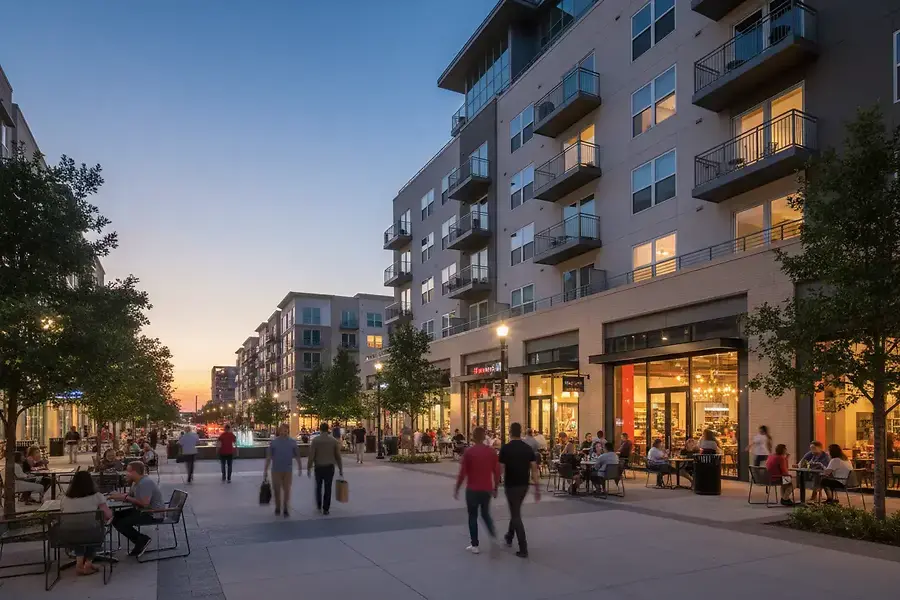
Understanding Mixed-Use Real Estate Opportunities in the DFW Market
The Dallas-Fort Worth metroplex has emerged as one of the most dynamic real estate markets in the nation, and mixed-use properties are leading the charge. Mixed-use real estate refers to properties that combine residential units with commercial spaces—think apartment buildings with ground-floor retail, office buildings with residential lofts, or townhomes with integrated business spaces.
The DFW market's explosive growth, driven by population influx and economic diversification, creates ideal conditions for mixed-use investments. Investors who understand this hybrid approach can tap into multiple revenue streams while reducing risk through diversification. Rather than relying solely on residential rent or commercial leases, mixed-use properties generate income from both sectors simultaneously.
What makes the DFW region particularly attractive for mixed-use development is the region's urban planning initiatives that actively encourage this type of development. Cities across North Texas are investing in walkable neighborhoods and mixed-use districts that appeal to both businesses and residents seeking convenience and community.
Strategic Locations: Where Residential-Commercial Blend Thrives in North Texas
Mansfield: The Emerging Hub
Mansfield has transformed into a prime location for mixed-use investments. Located between Dallas and Fort Worth, this strategic position makes it attractive for both residential tenants and commercial operators. The city's commitment to downtown revitalization has created opportunities for investors to capitalize on rising property values and increasing demand for integrated living-working spaces.
Arlington: The Entertainment and Commerce Nexus
Arlington's unique position as a major entertainment and sports destination makes it exceptional for mixed-use properties. With the presence of major venues and attractions, commercial spaces command premium rates while residential units benefit from the constant flow of visitors and workers. Properties near entertainment districts typically see higher occupancy rates and rental premiums.
Burleson and Beyond
Burleson represents the frontier of DFW expansion, offering investors the chance to get in early on emerging mixed-use developments. As the city grows, property values appreciate, and early investors benefit from substantial returns. The surrounding areas continue to develop with similar opportunities for forward-thinking investors.
Key Characteristics of High-Potential Locations
- Proximity to major employers and employment centers
- Access to public transportation and major roadways
- Population growth trends indicating sustained demand
- City planning initiatives supporting mixed-use development
- Walkability scores that attract both residents and businesses
Financial Benefits and Investment Returns for Property Owners
Multiple Revenue Streams
The primary financial advantage of mixed-use investing is straightforward: you're not dependent on a single income source. If commercial vacancy rates rise, residential income stabilizes your returns. If residential demand softens, commercial leases provide cushion. This diversification reduces risk and creates more predictable cash flow.
Higher Overall Capitalization Rates
Mixed-use properties often command higher cap rates than single-use properties because they generate more total income from the same square footage. A building with residential units upstairs and retail below produces more revenue than a building dedicated solely to residential or commercial use.
Appreciation Potential
The DFW market has consistently demonstrated strong appreciation rates. Mixed-use properties in high-demand areas benefit from this appreciation while simultaneously generating income.
Investors who combine steady cash flow with property appreciation often see their initial investment double or triple within 10-15 years.
Tax Advantages
Mixed-use properties offer various tax benefits including:
- Depreciation deductions on both residential and commercial components
- Deductibility of operating expenses across both property types
- Potential for cost segregation strategies to accelerate depreciation
- 1031 exchange opportunities for tax-deferred growth
Financing Advantages
Lenders often view mixed-use properties favorably because of their diversified income streams. This can result in better loan terms, lower interest rates, and higher loan-to-value ratios compared to single-use properties. The reduced risk profile appeals to institutional lenders and can make financing more accessible.
Getting Started: Finding Your Next Mixed-Use Investment Property
Conduct Thorough Market Research
Before investing, understand the specific market dynamics of your target area. Research population trends, employment growth, commercial vacancy rates, and residential demand. The DFW market is large enough that conditions vary significantly between neighborhoods. What works in Arlington may differ from opportunities in Burleson.
Analyze the Numbers Carefully
Mixed-use properties require more complex financial analysis than single-use properties. You'll need to evaluate:
- Residential occupancy rates and average rents
- Commercial lease terms and tenant stability
- Operating expenses for both property types
- Debt service coverage ratios
- Cash-on-cash returns and long-term appreciation potential
Partner with Experienced Professionals
Mixed-use investing benefits greatly from expert guidance. Work with real estate agents familiar with mixed-use properties, accountants who understand the tax implications, and lenders experienced with these property types. Their expertise can help you avoid costly mistakes and identify the best opportunities.
Start with Your Market Knowledge
If you already understand a particular DFW neighborhood well, that's your starting point. Your local knowledge provides an advantage in identifying emerging opportunities and understanding what tenants want. Many successful mixed-use investors began by investing in areas they knew intimately.
Consider Your Management Capacity
Mixed-use properties require more active management than single-use properties. You'll be managing both residential and commercial tenants, which means more diverse tenant needs and more complex operations. Decide whether you'll self-manage or hire professional property management. The cost of professional management is often offset by the increased complexity and potential for higher returns.
Start Small and Scale
Your first mixed-use investment doesn't need to be a massive development. Many successful investors start with smaller properties—perhaps a duplex with a small commercial space, or a small apartment building with ground-floor retail. As you gain experience and capital, you can scale to larger, more complex projects.
The DFW market offers exceptional opportunities for mixed-use real estate investors. By combining residential and commercial properties in strategic locations like Mansfield, Arlington, and Burleson, you can build a diversified portfolio that generates consistent income while appreciating in value. The key is thorough research, careful financial analysis, and partnership with experienced professionals who understand this unique investment category.


