Mixed-Use Real Estate: Investment Opportunities Across North Texas Markets
Discover how residential-commercial properties are reshaping investment potential across Keller, Lewisville, and Arlington.

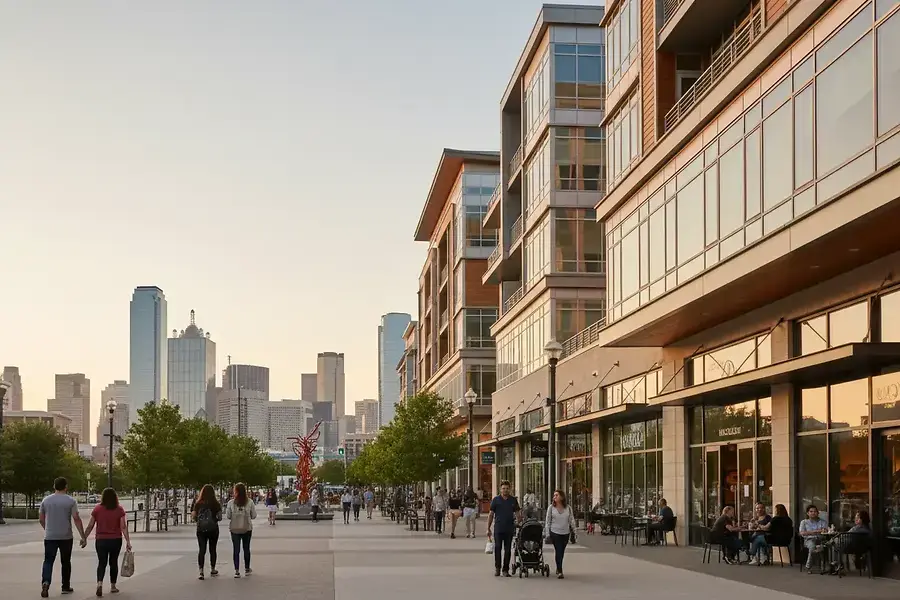
The Rise of Mixed-Use Development in the DFW Metroplex
The Dallas-Fort Worth metroplex has experienced unprecedented growth over the past decade, and one of the most significant trends reshaping the real estate landscape is the emergence of mixed-use developments. These innovative properties combine residential, commercial, and sometimes retail spaces in a single integrated community, creating dynamic environments that appeal to both investors and residents.
Mixed-use developments represent a fundamental shift in how we think about urban planning and real estate investment. Rather than segregating residential areas from commercial zones, these properties create vibrant neighborhoods where people can live, work, shop, and dine without extensive commuting. For investors, this translates into diversified income streams and increased property values in an increasingly competitive market.
The DFW region's rapid population growth, coupled with changing consumer preferences toward walkable communities and convenience, has made mixed-use properties exceptionally attractive. Major corporations relocating to North Texas have fueled demand for both residential housing and commercial office space, making mixed-use developments the perfect solution to meet these dual needs.
Residential-Commercial Hybrid Properties: What Buyers and Investors Need to Know
Understanding the Mixed-Use Model
Mixed-use properties typically feature residential units stacked above or adjacent to commercial spaces such as offices, retail shops, restaurants, or entertainment venues. This configuration maximizes land utilization and creates synergies between different property types. For investors, this means:
- Multiple Revenue Streams: Income from both residential leases and commercial tenants provides portfolio diversification and reduces risk exposure.
- Higher Occupancy Rates: The integrated nature of mixed-use properties often leads to higher overall occupancy rates compared to single-use developments.
- Increased Property Values: The convenience and lifestyle appeal of mixed-use communities typically command premium pricing in the market.
- Resilience: If one sector experiences a downturn, income from other components can help stabilize returns.
Key Considerations for Investors
Before investing in mixed-use properties, it's essential to understand several critical factors. Management complexity is significantly higher than single-use properties, requiring experienced property management teams familiar with both residential and commercial operations. Financing can be more challenging, as lenders may require specialized underwriting for mixed-use assets.
Additionally, zoning and regulatory compliance varies by municipality, making it crucial to work with local real estate professionals who understand each market's specific requirements. Finally, market timing and location selection are paramount—not all areas are equally suited for mixed-use development.
Market Analysis: Growth Trends in Keller, Lewisville, Newark, Arlington, Argyle, and Denton
Keller: Premium Mixed-Use Development
Keller has emerged as a premier destination for upscale mixed-use developments. The city's strong school system, affluent demographic, and strategic location between Dallas and Fort Worth make it ideal for high-end residential-commercial properties. Recent projects in Keller have focused on luxury apartments above boutique retail and dining establishments, attracting both investors seeking premium returns and residents willing to pay for convenience and quality.
Lewisville: Growth and Accessibility
Lewisville's position along the I-35E corridor and its proximity to Lake Lewisville create unique opportunities for mixed-use development. The city has seen substantial commercial growth, with major employers establishing operations in the area. Mixed-use properties here appeal to young professionals and families seeking affordable housing options near employment centers and recreational amenities.
Arlington: Entertainment and Commerce Hub
Arlington's status as a major entertainment and sports destination has catalyzed mixed-use development. Properties near AT&T Stadium and the entertainment district command strong rental rates for both residential and commercial tenants. The city's diverse economy and high foot traffic make it an excellent market for mixed-use investments with retail and hospitality components.
Newark, Argyle, and Denton: Emerging Opportunities
While smaller than their counterparts, Newark, Argyle, and Denton represent emerging mixed-use markets with significant growth potential. These communities are experiencing rapid population growth and increasing commercial development. Early investors in mixed-use properties in these markets may benefit from appreciation as infrastructure and amenities expand.
Market Trends Across North Texas
Several overarching trends are shaping mixed-use real estate across North Texas:
- Walkability Premium: Properties designed with pedestrian-friendly layouts command higher valuations and occupancy rates.
- Sustainability Focus: Green building practices and energy-efficient designs are increasingly important to both residents and commercial tenants.
- Technology Integration: Smart building systems and digital amenities are becoming standard expectations in modern mixed-use developments.
- Flexible Spaces: The rise of remote work has increased demand for flexible commercial spaces and co-working facilities within mixed-use properties.
- Community Amenities: Properties featuring parks, fitness centers, and gathering spaces attract premium tenants and command higher rents.
Positioning Yourself in North Texas's Evolving Real Estate Landscape
For investors looking to capitalize on North Texas's mixed-use real estate opportunities, success requires a strategic approach. First, conduct thorough market research specific to your target communities. Understand local demographics, employment trends, and development pipelines to identify the most promising locations.
Second, partner with experienced professionals. Real estate agents, property managers, and attorneys familiar with mixed-use developments in North Texas can provide invaluable guidance and help navigate complex transactions and regulatory requirements.
Third, evaluate financing options carefully. Mixed-use properties may require specialized lending products. Compare offerings from banks, credit unions, and alternative lenders to secure the most favorable terms for your investment.
Finally, think long-term. While mixed-use properties can generate strong immediate returns, their greatest value often emerges over time as communities develop and property values appreciate. Investors with a long-term perspective are best positioned to benefit from North Texas's continued growth.
The mixed-use real estate market across North Texas represents a compelling investment opportunity for those willing to understand the nuances of this property type. As the DFW metroplex continues to grow and evolve, residential-commercial hybrid properties will likely play an increasingly important role in shaping the region's real estate landscape. By staying informed about market trends and positioning yourself strategically, you can capitalize on these emerging opportunities and build a robust real estate portfolio.


