Mixed-Use Real Estate Opportunities Across Northeast Indiana
Discover how residential-commercial properties are transforming communities from Fort Wayne to Rome City.

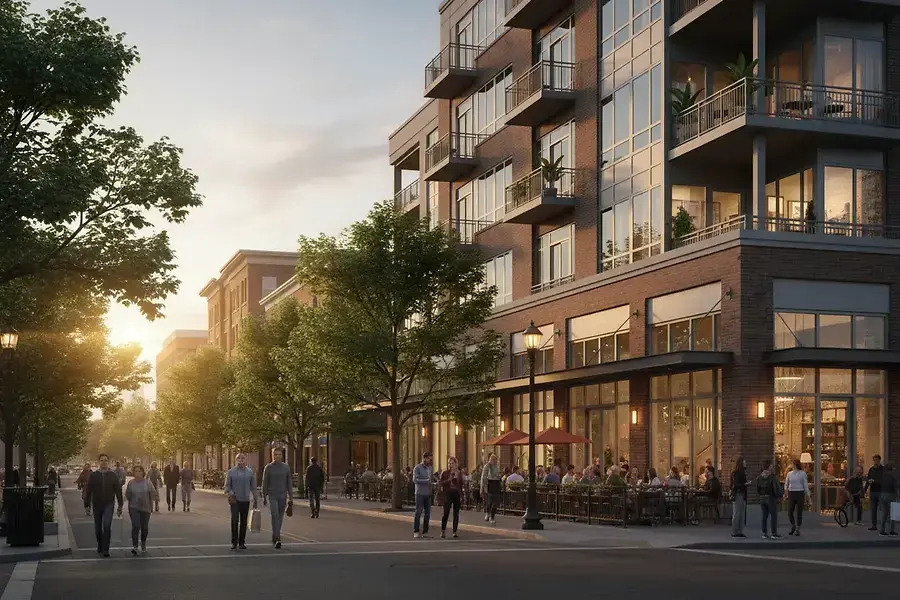
Understanding Mixed-Use Real Estate Potential in Northeast Indiana
Mixed-use real estate represents one of the most dynamic and rewarding investment opportunities in Northeast Indiana today. These properties combine residential units with commercial spaces—such as retail shops, offices, restaurants, and entertainment venues—under one roof or within a unified development. This innovative approach to real estate is fundamentally changing how communities develop and how people live, work, and shop.
The appeal of mixed-use properties lies in their versatility and income-generating potential. Property owners can benefit from multiple revenue streams, reduced vacancy rates, and increased foot traffic that naturally occurs when residential and commercial spaces coexist. For investors and developers, this translates into stronger cash flow and greater long-term appreciation potential.
Northeast Indiana's unique position as a growing region with affordable land, strong infrastructure, and a thriving business community makes it an ideal location for mixed-use development. Communities are increasingly recognizing that mixed-use properties create vibrant, walkable neighborhoods that attract young professionals, families, and entrepreneurs alike.
Key Markets for Residential-Commercial Properties: Location Analysis
Fort Wayne: The Regional Hub
Fort Wayne stands as the largest city in Northeast Indiana and represents the most mature market for mixed-use development. The downtown revitalization efforts have created significant opportunities for investors interested in converting historic buildings into modern mixed-use spaces. The Riverfront district and surrounding neighborhoods offer excellent potential for residential-commercial projects that cater to the growing urban professional demographic.
Key advantages in Fort Wayne include:
- Strong population base and consistent job growth
- Established infrastructure and utilities
- Active downtown development initiatives
- Proximity to major transportation corridors
- Growing demand for urban living spaces
Emerging Secondary Markets
Beyond Fort Wayne, several secondary markets present exceptional opportunities for forward-thinking investors. Communities like Auburn, Huntington, and Rome City are experiencing renewed interest as remote work and lifestyle preferences shift consumer behavior. These smaller communities offer lower acquisition costs, less competition, and the potential for significant appreciation as infrastructure and amenities improve.
These emerging markets are particularly attractive because they offer first-mover advantages for developers who understand the potential of mixed-use properties in revitalizing smaller downtowns. A single well-executed mixed-use project can serve as a catalyst for broader community transformation.
Strategic Location Considerations
When evaluating mixed-use opportunities, successful investors focus on several critical location factors: proximity to employment centers, accessibility to major highways, local zoning regulations, demographic trends, and existing community amenities. Properties near universities, hospitals, and corporate headquarters tend to perform exceptionally well due to consistent demand for both residential and commercial space.
Investment Benefits and Growth Opportunities in Developing Areas
Multiple Revenue Streams
Mixed-use properties generate income from both residential leases and commercial tenants. This diversification reduces risk compared to single-use properties. If residential occupancy dips, commercial revenue can offset losses, and vice versa. This financial resilience makes mixed-use investments particularly attractive during economic uncertainty.
Increased Property Value Appreciation
Mixed-use developments in growing communities typically appreciate faster than traditional single-use properties. As neighborhoods develop and become more desirable, property values increase substantially. Early investors in emerging mixed-use markets position themselves to capture significant appreciation gains as the community matures.
Tax Advantages and Financing Benefits
Mixed-use properties often qualify for various tax incentives, including opportunity zone benefits and historic preservation tax credits in certain areas. Additionally, lenders view mixed-use properties favorably due to their diversified income potential, often resulting in better financing terms and lower interest rates compared to single-use commercial or residential properties.
Community Impact and Long-Term Stability
Investors in mixed-use properties contribute to community revitalization, which builds goodwill and can lead to favorable zoning decisions and local support for future projects. Properties that enhance neighborhood character and provide needed services tend to maintain strong occupancy rates and tenant loyalty, ensuring stable, predictable returns.
"Mixed-use development is not just about maximizing profit—it's about creating communities where people want to live, work, and spend their time. This alignment of financial success with community benefit creates sustainable, long-term value."
Getting Started: How to Position Yourself as a Mixed-Use Specialist
Develop Deep Market Knowledge
Successful mixed-use specialists invest time in understanding local market dynamics, demographic trends, zoning regulations, and development pipelines. Attend city council meetings, join local business organizations, and build relationships with municipal planners and economic development officials. This insider knowledge provides competitive advantages when identifying opportunities.
Build a Qualified Team
Mixed-use development requires expertise across multiple disciplines. Assemble a team including experienced architects, commercial and residential real estate agents, construction managers, and legal professionals familiar with mixed-use zoning and development. A strong team can identify and execute opportunities that solo investors cannot.
Start with Education and Analysis
Before making significant investments, thoroughly analyze potential markets and properties. Study comparable sales, understand financing options, and evaluate demographic trends. Many successful investors start by analyzing properties they don't intend to purchase, building analytical skills and market knowledge that inform future decisions.
Consider Strategic Partnerships
Mixed-use development often requires substantial capital and expertise. Strategic partnerships with developers, institutional investors, or other real estate professionals can reduce individual risk while providing access to larger, more complex projects. Joint ventures allow you to participate in opportunities that might be too large or complex to tackle independently.
Stay Informed and Adaptable
The real estate market evolves constantly. Successful mixed-use specialists stay current with industry trends, attend conferences, read market reports, and continuously refine their strategies. The ability to adapt to changing market conditions, consumer preferences, and regulatory environments separates thriving investors from those who struggle.
Northeast Indiana's mixed-use real estate market presents compelling opportunities for investors willing to develop expertise and take a long-term perspective. Whether you're interested in Fort Wayne's established market or emerging opportunities in smaller communities, the fundamentals are clear: mixed-use properties create value by serving multiple needs and generating diverse income streams. By positioning yourself as a knowledgeable specialist in this space, you can build a profitable, sustainable real estate business while contributing to the revitalization of Northeast Indiana communities.


