Mixed-Use Real Estate Opportunities Across Southern New Hampshire
Discover how residential-commercial properties are reshaping investment potential across Southern New Hampshire's most dynamic communities.

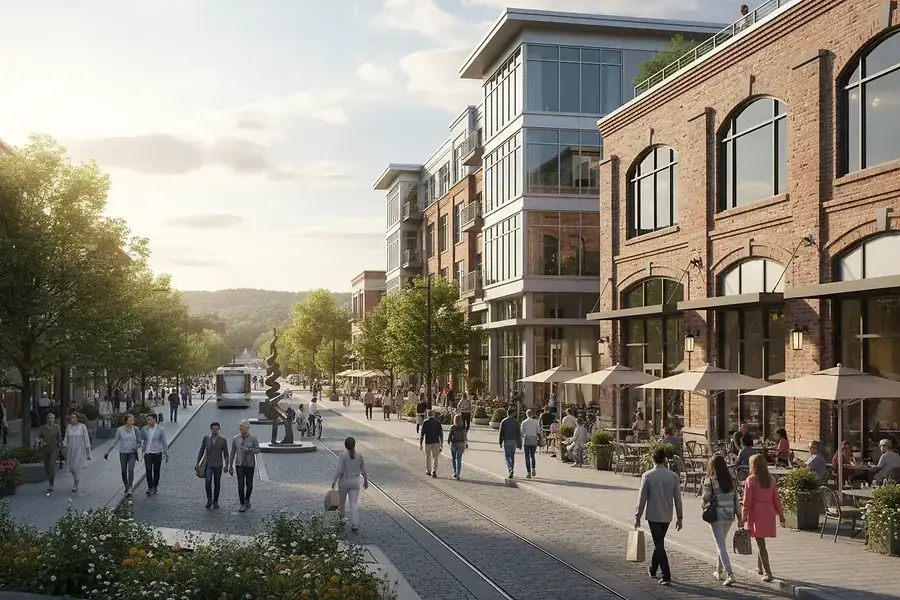
The Rise of Mixed-Use Properties in Southern NH
Southern New Hampshire is experiencing a transformative shift in its real estate landscape. Mixed-use properties—developments that combine residential and commercial spaces under one roof or within a unified project—are becoming increasingly popular among investors and owner-occupants alike. This trend reflects broader changes in how people want to live, work, and conduct business in the modern economy.
The appeal of mixed-use developments lies in their versatility and efficiency. Rather than maintaining separate locations for living and working, residents and business owners can enjoy the convenience of integrated spaces. For investors, these properties offer diversified income streams and resilience against market fluctuations. As Southern New Hampshire continues to grow, mixed-use real estate has emerged as a cornerstone of community development.
Why Residential-Commercial Properties Attract Investors and Owner-Occupants
Multiple Revenue Streams
One of the primary reasons investors are drawn to mixed-use properties is the potential for multiple income sources. A single property can generate revenue from residential leases, commercial tenants, and retail operations simultaneously. This diversification reduces risk and provides more stable cash flow compared to single-use properties.
Lifestyle and Convenience
Owner-occupants appreciate the lifestyle benefits of mixed-use properties. Imagine living above your business, eliminating a lengthy commute and allowing for greater flexibility in managing your operations. This arrangement appeals to entrepreneurs, small business owners, and professionals seeking work-life integration.
Community Development and Walkability
Mixed-use developments foster vibrant, walkable communities where residents can access shops, restaurants, and services without relying solely on automobiles. This creates a sense of place and community that attracts both residents and visitors, enhancing property values across the development.
Tax Benefits and Incentives
Many municipalities in Southern New Hampshire offer tax incentives and development grants to encourage mixed-use projects. These incentives can significantly improve the financial viability of investments and accelerate returns on investment.
Top Mixed-Use Markets: Nashua, Manchester, and Surrounding Towns
Nashua: A Growing Hub
Nashua has emerged as one of the most attractive mixed-use markets in Southern New Hampshire. The city's strategic location between Boston and the White Mountains, combined with its robust economy and growing population, makes it ideal for mixed-use development. Downtown Nashua revitalization efforts have created numerous opportunities for investors interested in converting historic buildings into modern mixed-use spaces.
Key characteristics of Nashua's market include:
- Strong population growth and demographic diversity
- Proximity to major employment centers
- Active downtown development initiatives
- Supportive municipal policies for mixed-use projects
Manchester: The State's Largest City
Manchester, New Hampshire's largest city, offers substantial opportunities for mixed-use real estate investment. The city's diverse economy, cultural attractions, and ongoing urban renewal projects create a dynamic environment for developers and investors. The Millyard district, in particular, has become a focal point for mixed-use development, transforming historic mill buildings into residential lofts, offices, and retail spaces.
Manchester's advantages include:
- Large, established customer base and workforce
- Historic architecture suitable for adaptive reuse
- Growing arts and culture scene
- Accessibility via major transportation corridors
Surrounding Towns with Emerging Opportunities
Beyond Nashua and Manchester, surrounding communities are beginning to embrace mixed-use development. Towns like Merrimack, Hudson, and Derry are experiencing increased interest from developers seeking to create vibrant town centers. These emerging markets often offer lower entry costs and significant growth potential for forward-thinking investors.
Getting Started: How to Evaluate and Invest in Dual-Purpose Properties
Conduct Thorough Market Research
Before investing in any mixed-use property, conduct comprehensive market research. Analyze demographic trends, employment patterns, and local economic indicators. Understanding the target market for both residential and commercial components is essential for success.
Evaluate Location and Accessibility
Location remains paramount in real estate. Assess foot traffic patterns, parking availability, public transportation access, and proximity to complementary businesses. A mixed-use property's success depends heavily on its ability to attract both residents and customers.
Analyze Financial Projections
Develop detailed financial models that account for both residential and commercial revenue streams. Consider vacancy rates, operating expenses, property taxes, and maintenance costs. Conservative projections are preferable to overly optimistic estimates when evaluating potential returns.
Understand Zoning and Regulatory Requirements
Mixed-use properties operate within specific zoning regulations that vary by municipality. Consult with local planning departments to understand permitted uses, density requirements, parking regulations, and any restrictions on commercial activities. Ensure that your intended use aligns with local zoning ordinances.
Partner with Experienced Professionals
Successful mixed-use investments require expertise across multiple disciplines. Work with real estate agents familiar with mixed-use markets, commercial brokers, property managers experienced in dual-use properties, and attorneys knowledgeable about local regulations. These professionals can help navigate complexities and identify opportunities.
Consider Property Management Challenges
Managing mixed-use properties is more complex than managing single-use properties. You'll need to coordinate residential and commercial operations, manage different tenant types, and address the unique challenges that arise from shared spaces. Evaluate whether you have the expertise to manage these properties or if you should hire professional management.
Start Small and Scale Up
If you're new to mixed-use investing, consider starting with a smaller property to gain experience. As you develop expertise and build capital, you can pursue larger, more complex opportunities. This approach reduces risk while allowing you to learn the intricacies of the market.
Conclusion
Mixed-use real estate represents a compelling opportunity for investors and owner-occupants in Southern New Hampshire. The combination of residential and commercial spaces creates diverse income streams, fosters vibrant communities, and appeals to modern preferences for integrated living and working environments. Markets like Nashua and Manchester, along with emerging opportunities in surrounding towns, offer numerous entry points for investors at various experience levels.
Success in mixed-use real estate requires thorough research, careful financial analysis, and partnership with experienced professionals. By understanding market dynamics, evaluating properties systematically, and managing operations effectively, investors can capitalize on the growing demand for mixed-use properties in Southern New Hampshire's dynamic communities.