Mixed-Use Real Estate Opportunities Transforming Hampton Roads
How residential-commercial properties are reshaping the Norfolk, Virginia Beach, and Chesapeake markets.

Understanding Mixed-Use Development in Hampton Roads
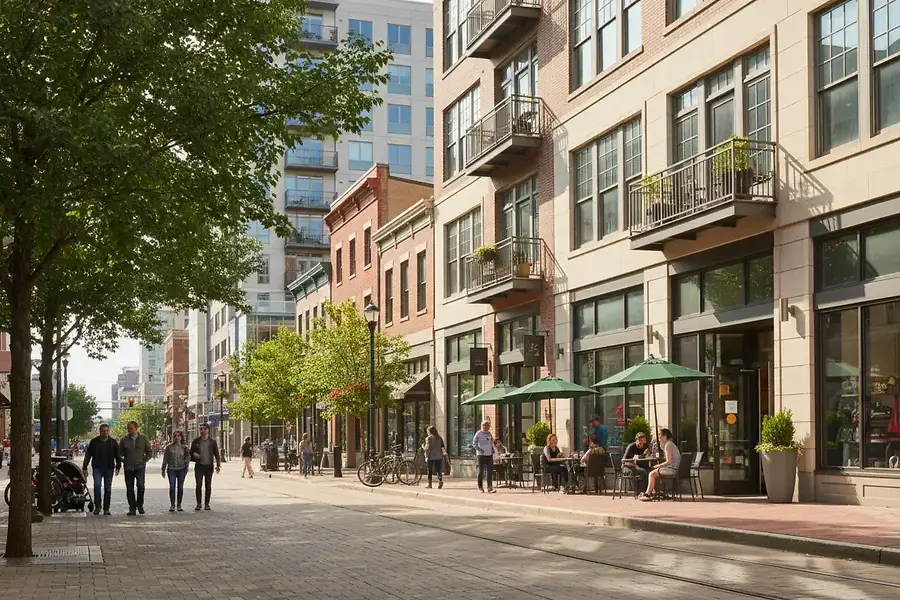
Mixed-use real estate represents one of the most dynamic investment opportunities in Hampton Roads today. These properties combine residential, commercial, and sometimes office spaces within a single development or building, creating vibrant communities where people can live, work, and play without leaving their neighborhood.
The Hampton Roads region—encompassing Norfolk, Virginia Beach, and Chesapeake—has experienced significant growth in mixed-use development over recent years. This transformation reflects broader national trends toward walkable, sustainable communities that prioritize convenience and lifestyle quality. Unlike traditional single-use developments, mixed-use properties generate multiple revenue streams and create more resilient neighborhoods.
Why Mixed-Use Development Matters
Mixed-use properties address several critical needs in modern urban planning. They reduce commute times, support local businesses, increase property values, and foster community engagement. For investors and property owners, these developments offer diversified income potential and greater long-term stability compared to single-use properties.
Key Neighborhoods for Residential-Commercial Investment
Downtown Norfolk Waterfront
Norfolk's waterfront district has emerged as a premier destination for mixed-use development. The area combines historic charm with modern amenities, featuring luxury apartments above ground-floor retail and restaurants. The proximity to the Elizabeth River, cultural institutions, and employment centers makes this neighborhood particularly attractive for investors seeking strong appreciation potential.
Virginia Beach Town Center
Virginia Beach's Town Center represents a masterclass in mixed-use development. This thriving district seamlessly blends residential towers, shopping centers, dining establishments, and entertainment venues. The area's continued expansion and strong demographic growth make it an excellent choice for investors looking to capitalize on sustained demand.
Chesapeake's Greenbrier Area
Chesapeake's Greenbrier neighborhood is rapidly evolving into a mixed-use hub. With new residential developments adjacent to retail and office spaces, this area offers more affordable entry points than downtown Norfolk or Virginia Beach while maintaining strong growth prospects. The neighborhood's family-friendly atmosphere and excellent schools add to its appeal.
Ghent District in Norfolk
The historic Ghent neighborhood has undergone remarkable revitalization. Tree-lined streets now host boutique shops, restaurants, and galleries alongside renovated residential properties. This neighborhood appeals to young professionals and empty-nesters seeking walkable urban living with character and community.
Benefits of Mixed-Use Properties for Investors and Owners
Diversified Revenue Streams
Mixed-use properties generate income from multiple sources: residential rents, commercial leases, and retail operations. This diversification reduces risk and provides more stable cash flow compared to single-use properties. When one sector experiences a downturn, other revenue streams help maintain overall profitability.
Increased Property Values
Mixed-use developments typically appreciate faster than single-use properties. The combination of residential and commercial spaces creates higher demand and justifies premium pricing. Properties in walkable, vibrant neighborhoods consistently outperform those in isolated, car-dependent areas.
Tenant Stability and Retention
Residents in mixed-use communities enjoy convenient access to services, dining, and entertainment. This convenience translates to higher tenant satisfaction and longer lease terms. Commercial tenants benefit from built-in foot traffic and customer bases, improving their business viability and lease longevity.
Community Impact and Brand Value
Mixed-use developments strengthen neighborhoods and create gathering spaces. Property owners benefit from positive community perception and brand association with vibrant, progressive communities. This goodwill translates to competitive advantages in attracting quality tenants and commanding premium rents.
Sustainability and Future-Proofing
Mixed-use properties align with evolving consumer preferences and environmental consciousness. As demand for walkable, sustainable communities grows, these properties become increasingly valuable. They also attract younger demographics and support local environmental goals, enhancing long-term viability.
Getting Started: Finding Your Mixed-Use Property Today
Work with Specialized Real Estate Professionals
Finding the right mixed-use property requires expertise. Partner with real estate agents and investment advisors who specialize in mixed-use developments and understand Hampton Roads' unique market dynamics. These professionals can identify emerging opportunities before they become widely known.
Conduct Thorough Market Analysis
Before investing, analyze demographic trends, employment growth, and development plans for your target neighborhood. Understanding local zoning regulations, future infrastructure projects, and community development initiatives helps identify properties with strong appreciation potential. Hampton Roads' continued military presence and economic diversification support long-term growth.
Evaluate Property Fundamentals
Assess the property's physical condition, tenant quality, lease terms, and operational efficiency. Review financial statements carefully, including occupancy rates, rent rolls, and expense structures. Strong fundamentals provide the foundation for successful mixed-use investments.
Consider Financing Options
Mixed-use properties may qualify for specialized financing programs. Explore conventional loans, SBA loans, and commercial real estate financing options. Lenders often view mixed-use properties favorably due to their diversified income streams and lower risk profiles.
Plan for Active Management
Mixed-use properties require more sophisticated management than single-use buildings. You'll need to coordinate residential and commercial operations, manage diverse tenant bases, and maintain common areas. Consider whether you'll self-manage or hire professional property management companies experienced with mixed-use developments.
Start Small and Scale Up
If you're new to mixed-use investing, consider starting with smaller properties or partnerships. This approach allows you to gain experience and build expertise before committing to larger developments. Many successful investors began with modest mixed-use properties and expanded their portfolios over time.
Network and Stay Informed
Join local real estate investment groups, attend industry conferences, and maintain relationships with developers and brokers. Staying connected to the community helps you learn about off-market opportunities and emerging trends. Hampton Roads' active real estate community offers abundant networking opportunities.
The mixed-use real estate market in Hampton Roads presents compelling opportunities for investors and property owners seeking diversified income, strong appreciation potential, and community impact. By understanding market fundamentals, identifying promising neighborhoods, and partnering with experienced professionals, you can position yourself to capitalize on this transformative trend. Whether you're seeking your first mixed-use investment or expanding an existing portfolio, Hampton Roads offers diverse opportunities to build wealth while contributing to vibrant, sustainable communities.


