Mixed-Use Real Estate: Pioneer Valley's Best Investment Strategy
Discover how residential-commercial hybrid investments are reshaping the Pioneer Valley real estate market.

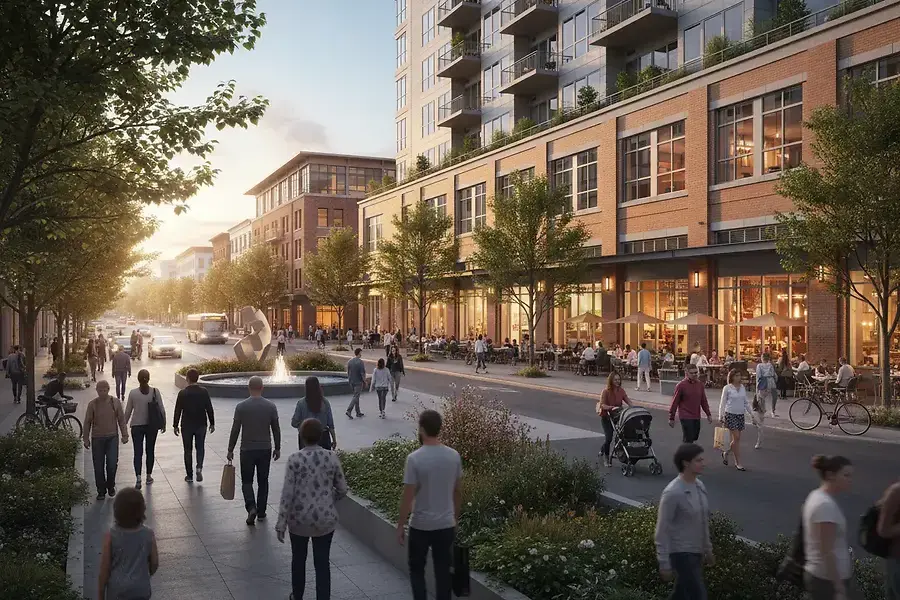
The Rise of Mixed-Use Development in Pioneer Valley
Pioneer Valley is experiencing a transformative shift in its real estate landscape. The traditional separation between residential neighborhoods and commercial districts is rapidly dissolving, giving way to innovative mixed-use developments that combine living spaces, retail outlets, offices, and entertainment venues under one roof. This evolution represents more than just a construction trend—it's a fundamental reimagining of how communities live, work, and thrive.
The appeal is undeniable. Investors and residents alike are recognizing the value of properties that serve multiple purposes. Rather than commuting between isolated residential areas and distant business districts, people increasingly prefer walkable neighborhoods where they can live, shop, dine, and work within the same vicinity. This shift has created unprecedented investment opportunities for those willing to embrace this new paradigm.
Understanding Residential-Commercial Hybrid Properties and Their Benefits
What Are Mixed-Use Properties?
Mixed-use properties are developments that integrate two or more distinct uses—typically residential units combined with commercial spaces, office areas, or hospitality venues. A typical example might feature apartments on upper floors with ground-level retail shops, restaurants, or professional offices. This vertical integration maximizes land utilization and creates vibrant, dynamic spaces.
Key Benefits for Investors
- Diversified Income Streams: Rather than relying on a single revenue source, mixed-use properties generate income from multiple tenants across different sectors, reducing financial risk.
- Higher Occupancy Rates: The variety of uses attracts a broader tenant base, leading to more consistent occupancy and rental income.
- Increased Property Value: Mixed-use developments typically command premium prices due to their versatility and strong market demand.
- Community Appeal: These properties foster vibrant neighborhoods that attract quality residents and businesses, enhancing long-term appreciation potential.
- Tax Advantages: Investors may benefit from depreciation deductions across multiple property categories and potential tax incentives for community development.
Benefits for Residents and Businesses
Beyond investor advantages, mixed-use properties create tangible benefits for occupants. Residents enjoy convenience and reduced transportation costs. Local businesses gain access to built-in customer bases. The result is a thriving ecosystem where everyone benefits from proximity and community engagement.
Current Market Trends and Investment Potential in Pioneer Valley
Market Growth and Demand
Pioneer Valley's real estate market is experiencing robust growth in mixed-use development. Several factors drive this momentum:
- Young professionals and families increasingly prioritize walkability and convenience over traditional suburban living.
- Remote work flexibility has reduced the need for lengthy commutes, making mixed-use neighborhoods more attractive.
- Local governments are actively supporting mixed-use zoning and development incentives.
- Millennial and Gen Z demographics show strong preference for urban-style living with integrated amenities.
Investment Potential
The investment potential in Pioneer Valley's mixed-use sector remains exceptional. Property appreciation rates in mixed-use developments consistently outpace traditional single-use properties. Additionally, the region's growing population and economic diversification create sustained demand for these properties.
Early investors who position themselves strategically can capture significant returns as the market matures. The key is identifying emerging neighborhoods with strong fundamentals and development momentum before prices peak.
Emerging Neighborhoods to Watch
Several Pioneer Valley neighborhoods are becoming hotspots for mixed-use development. Areas with strong public transportation access, walkable street networks, and supportive municipal policies offer the most promising opportunities. Look for neighborhoods undergoing revitalization or experiencing population growth, as these typically precede major property appreciation.
Getting Started: How to Evaluate and Invest in Mixed-Use Properties
Due Diligence Essentials
Before investing in mixed-use properties, conduct thorough due diligence:
- Market Analysis: Research neighborhood demographics, employment trends, and population growth projections.
- Tenant Mix Assessment: Evaluate the quality and stability of current tenants across residential and commercial spaces.
- Financial Performance: Review detailed income statements, expense reports, and occupancy histories.
- Zoning and Regulations: Understand local zoning laws, building codes, and any restrictions affecting the property.
- Physical Inspection: Hire qualified inspectors to assess structural integrity, systems, and maintenance needs.
Financing Considerations
Mixed-use properties often require specialized financing. Traditional residential mortgages may not apply, and commercial lenders typically demand different documentation and underwriting standards. Work with lenders experienced in mixed-use development to secure favorable terms. Consider the property's income-generating potential when structuring your financing strategy.
Building Your Investment Team
Success in mixed-use real estate requires expertise across multiple domains. Assemble a team including:
- A real estate attorney familiar with mixed-use transactions and local regulations
- A commercial real estate broker with Pioneer Valley market expertise
- A property manager experienced in managing diverse tenant bases
- An accountant specializing in real estate investment tax strategies
- A commercial inspector and engineer for property evaluation
Risk Management Strategies
While mixed-use properties offer excellent returns, they carry distinct risks. Diversify across multiple properties and neighborhoods to reduce concentration risk. Maintain adequate reserves for unexpected expenses. Implement strong tenant screening and lease management practices. Consider comprehensive insurance coverage tailored to mixed-use operations.
Conclusion: Positioning Yourself for Success in Pioneer Valley's Evolving Market
Mixed-use real estate represents a compelling investment opportunity in Pioneer Valley. The convergence of demographic trends, market demand, and supportive policies creates an ideal environment for investors willing to embrace this innovative property type. Properties that combine residential, commercial, and entertainment uses are no longer niche investments—they're becoming the standard for forward-thinking real estate portfolios.
The time to act is now. As Pioneer Valley continues its transformation, early investors who understand mixed-use dynamics and execute strategic acquisitions will position themselves for substantial long-term wealth creation. By conducting thorough due diligence, assembling the right team, and maintaining a disciplined investment approach, you can capitalize on this market evolution and build a resilient, income-generating real estate portfolio.
The future of Pioneer Valley real estate is mixed-use. The question isn't whether to invest in this sector, but when and how to do it strategically.


