Mountain Home Maintenance: Protecting Your Park City Investment
Essential seasonal care strategies to preserve your residential property's value in Utah's alpine climate.

Understanding Park City's Climate: Why Mountain Homes Require Specialized Maintenance
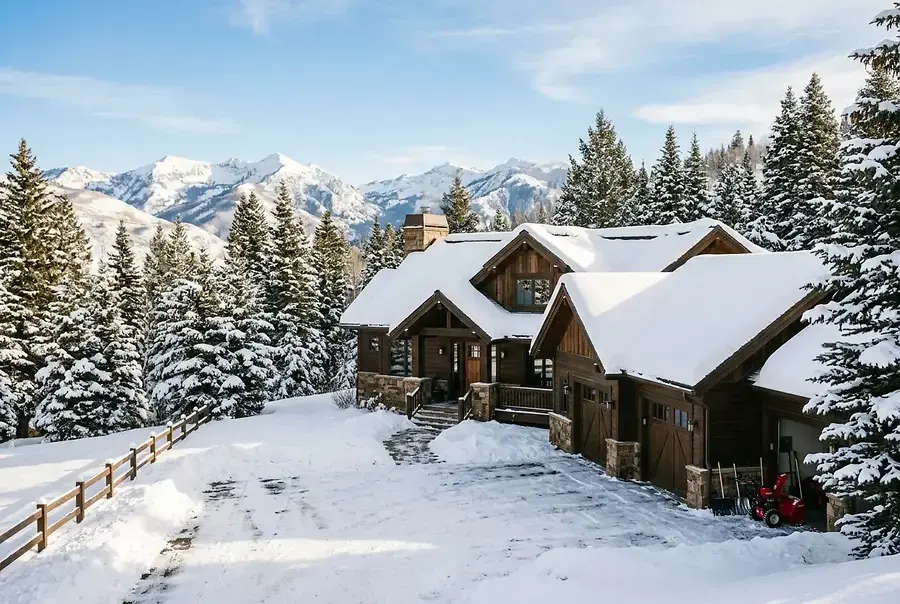
Park City sits at over 7,000 feet above sea level, placing your home in one of Utah's most demanding climates. The alpine environment presents unique challenges that differ significantly from lower-elevation properties. Extreme temperature fluctuations, heavy snowfall, intense UV exposure, and rapid weather changes create conditions that accelerate wear and tear on residential structures.
Mountain homes experience freeze-thaw cycles that can be particularly damaging to roofing materials, siding, and foundation integrity. Understanding these environmental stressors is the first step toward developing an effective maintenance strategy that protects your investment for decades to come.
Year-Round Maintenance Checklist for Deer Valley and Canyon Village Properties
Spring Maintenance
As snow melts and temperatures rise, spring is the ideal time to assess winter damage. Focus on:
- Inspecting your roof for missing shingles, ice dam damage, and debris accumulation
- Checking gutters and downspouts for proper drainage and clearing winter debris
- Examining exterior siding and trim for cracks or separation caused by freeze-thaw cycles
- Testing all exterior caulking and resealing gaps where needed
- Inspecting foundation and basement walls for water intrusion or new cracks
Summer Maintenance
Summer offers the best window for exterior projects and preventative work:
- Power washing exterior surfaces to remove algae and mold growth
- Staining or sealing wood decks and exterior wood features
- Inspecting and repairing chimney flashing and seals
- Checking HVAC systems and replacing filters regularly
- Trimming tree branches that hang over the roof or near the structure
Fall Preparation
Preparing your home for winter is critical in mountain communities:
- Cleaning gutters thoroughly to prevent ice dam formation
- Inspecting and servicing heating systems before cold weather arrives
- Weatherproofing windows and doors with fresh caulk and weatherstripping
- Draining and winterizing exterior water systems
- Stocking supplies for snow removal and ice management
Winter Monitoring
During the heavy snow season, regular monitoring prevents catastrophic damage:
- Monitoring roof snow load and removing excess snow when necessary
- Keeping gutters and downspouts clear of ice and snow
- Checking basement and crawl spaces for moisture or water intrusion
- Ensuring proper attic ventilation to prevent ice dams
- Maintaining heating systems and checking for carbon monoxide safety
Preventing Common Damage: From Snow Load Issues to Foundation Concerns in High-Altitude Homes
Snow Load Management
Heavy snow accumulation is one of the most significant threats to mountain homes. Park City receives substantial snowfall annually, and roofs must be designed and maintained to handle this weight. Professional snow removal may be necessary during heavy storms to prevent structural damage. Consult with local contractors about your roof's load capacity and develop a snow management plan.
Ice Dam Prevention
Ice dams form when heat escapes through the roof, melting snow that then refreezes at the eaves. This can cause water to back up under shingles and damage interior walls and ceilings. Proper attic insulation, ventilation, and gutter maintenance are essential preventative measures. Consider installing heat cables in vulnerable areas as an additional safeguard.
Foundation and Moisture Issues
Mountain homes are particularly vulnerable to foundation problems due to freeze-thaw cycles and moisture intrusion. Regular inspection of your foundation for cracks, settling, or water damage is crucial. Ensure proper grading around your home to direct water away from the foundation, and maintain functional gutters and downspouts that extend at least six feet from the structure.
Exterior Material Degradation
The intense UV exposure at high altitude accelerates the breakdown of exterior materials. Wood siding, roofing materials, and sealants deteriorate faster than in lower elevations. Plan for more frequent refinishing and replacement cycles, and choose materials specifically rated for high-altitude environments when possible.
Working with Local Contractors: Finding Trusted Professionals Who Understand Utah Mountain Real Estate
Why Local Expertise Matters
Not all contractors understand the unique demands of mountain home maintenance. Hiring professionals with specific experience in Park City and Utah's alpine climate ensures your home receives appropriate care. Local contractors understand building codes specific to high-altitude construction, know which materials perform best in these conditions, and can anticipate problems before they become expensive.
Finding and Vetting Contractors
When searching for reliable professionals:
- Ask for references from other mountain home owners in the area
- Verify licensing, insurance, and bonding for all contractors
- Request detailed written estimates before work begins
- Confirm their experience with high-altitude and alpine climate projects
- Check online reviews and ratings from local sources
- Ensure they understand Park City building codes and permit requirements
Building Long-Term Relationships
Establishing relationships with trusted contractors provides ongoing benefits. A contractor familiar with your home's history, previous repairs, and specific characteristics can provide more accurate assessments and recommendations. Regular maintenance performed by the same professionals ensures consistency and helps catch emerging issues early.
"Mountain home maintenance isn't optional—it's an investment in protecting the value and safety of your property. The cost of preventative maintenance is always less than the cost of major repairs caused by neglect."
Seasonal Contractor Planning
Plan ahead for seasonal maintenance needs. Spring and fall are busy seasons for contractors, so schedule inspections and repairs well in advance. Building relationships with professionals now ensures availability when you need them most, and allows for better pricing through established relationships.
Conclusion
Protecting your Park City mountain home investment requires understanding the unique challenges of alpine living and committing to consistent, seasonal maintenance. By following a comprehensive maintenance checklist, addressing common high-altitude issues proactively, and working with experienced local contractors, you can preserve your property's value and ensure it remains a safe, comfortable retreat for years to come. Your mountain home is more than a property—it's an investment in your family's future and Utah's beautiful alpine lifestyle.


