Moving to the Triangle: Neighborhoods That Fit Your Lifestyle
Discover which Durham, Chapel Hill, Cary, and surrounding communities offer the perfect blend of amenities, schools, and character for your family.

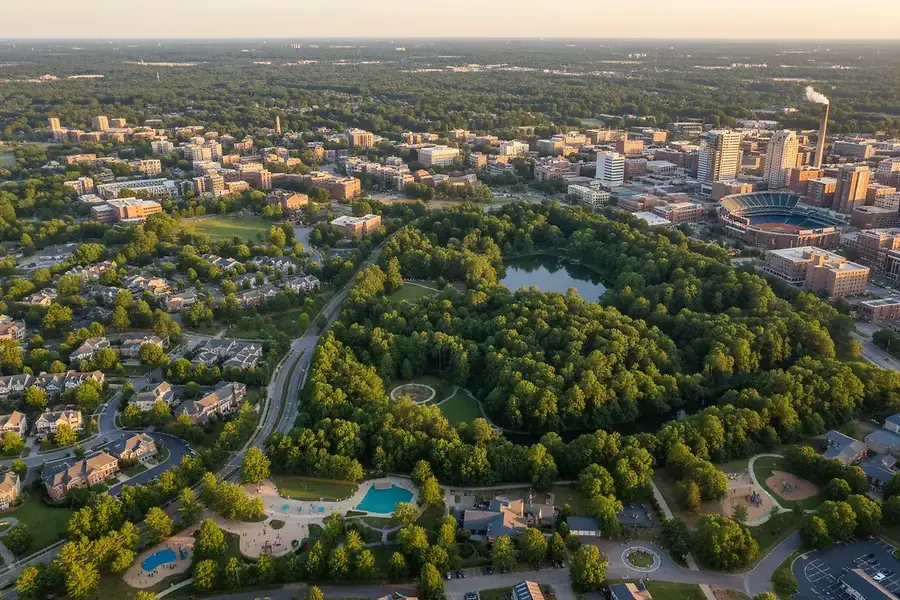
Understanding the Triangle's Diverse Neighborhoods
The Research Triangle region—encompassing Durham, Chapel Hill, Raleigh, Cary, and surrounding communities—has become one of the most desirable places to live on the East Coast. With a thriving job market, excellent educational institutions, and a vibrant cultural scene, it's no wonder families and professionals are flocking to the area. However, choosing the right neighborhood can be overwhelming given the diverse options available.
Each community in the Triangle offers its own distinct character, from historic downtown districts to modern suburban developments. Whether you're drawn to walkable urban neighborhoods, family-friendly suburbs, or quiet residential areas, the Triangle has something for everyone. Understanding what each area offers will help you make an informed decision about where to plant your roots.
Urban Living vs. Suburban Comfort: Finding Your Ideal Community
Downtown Durham: Historic Charm Meets Modern Energy
Durham's downtown has undergone a remarkable transformation in recent years. The historic neighborhoods surrounding downtown offer walkable streets, trendy restaurants, and thriving arts scenes. If you value being close to cultural events, independent shops, and a vibrant nightlife, downtown Durham neighborhoods like Trinity Park and Old North Durham are excellent choices.
These areas feature:
- Restored historic homes with character and charm
- Easy access to museums, theaters, and galleries
- Local coffee shops, breweries, and farm-to-table restaurants
- Strong sense of community and neighborhood engagement
Chapel Hill: College Town Atmosphere with Intellectual Vibrancy
Home to the University of North Carolina, Chapel Hill offers a unique blend of academic excellence and small-town charm. The neighborhoods surrounding the university, such as Southern Village and Meadowmont, combine walkability with modern amenities. You'll find tree-lined streets, local bookstores, and a population that values education and cultural enrichment.
Chapel Hill is ideal if you appreciate:
- Access to university events, lectures, and cultural programs
- Highly-rated schools with strong academic programs
- A progressive, educated community
- Beautiful natural surroundings and parks
Cary: Modern Suburban Living at Its Best
Cary has earned a reputation as one of the safest and most family-friendly communities in the nation. Planned communities like Preston and White Deer Park offer modern homes, excellent schools, and comprehensive recreational facilities. If you're looking for suburban comfort with convenient access to urban amenities, Cary delivers.
Cary neighborhoods feature:
- New construction homes with modern designs
- Top-rated public schools and excellent educational programs
- Parks, playgrounds, and recreational centers
- Shopping centers and dining options
- Safe, well-maintained neighborhoods with strong HOA management
Raleigh: The Capital's Diverse Neighborhoods
As North Carolina's capital, Raleigh offers neighborhoods for every lifestyle. The Warehouse District appeals to young professionals seeking urban living, while areas like North Hills and Wade Avenue provide a balance of suburban comfort and city convenience. Raleigh's neighborhoods range from historic to contemporary, giving you plenty of options to explore.
Schools, Commutes, and Lifestyle: What Each Area Offers
Educational Excellence Across the Region
All three major communities—Durham, Chapel Hill, and Cary—boast excellent school systems. However, each has its own strengths:
- Chapel Hill-Carrboro Schools: Known for innovative programs and strong academics, with high graduation rates
- Durham Public Schools: Increasingly recognized for improvement initiatives and specialized programs
- Wake County Schools (Cary area): Consistently ranked among the best in the state with diverse program offerings
Research specific schools in neighborhoods you're considering, as quality can vary by school and grade level.
Commute Considerations
The Triangle's job market is concentrated in several key areas: Research Triangle Park (RTP), downtown Raleigh, downtown Durham, and the UNC campus. Consider your workplace location when choosing a neighborhood. Living close to your workplace can significantly reduce commute time and stress.
For those working in RTP, neighborhoods in Cary and northern Durham offer convenient access. Chapel Hill residents often work at UNC or commute to RTP. Downtown workers may prefer living in Durham or Raleigh's urban neighborhoods.
Lifestyle and Community Character
Beyond schools and commutes, consider what lifestyle appeals to you:
- Urban explorers: Choose downtown Durham or Chapel Hill for walkability and cultural events
- Outdoor enthusiasts: Look for neighborhoods near parks, trails, and natural areas
- Family-focused: Cary and suburban areas offer family-oriented communities with excellent amenities
- Young professionals: Downtown neighborhoods and mixed-use communities provide vibrant social scenes
- Retirees: Consider neighborhoods with active adult communities and healthcare access
Cost of Living and Real Estate
Real estate prices vary significantly across the Triangle. Downtown Durham and Chapel Hill neighborhoods tend to be pricier due to their desirability and limited inventory. Cary offers newer homes at competitive prices. Emerging neighborhoods in Durham's East End and Raleigh's southeast areas may offer better value for budget-conscious buyers.
"The Triangle's diversity means there's truly a neighborhood for every budget and lifestyle preference. Take time to explore different areas before making your decision."
Your Next Home Awaits in the Triangle
Choosing where to live is one of the most important decisions you'll make. The Research Triangle offers an exceptional range of neighborhoods, each with its own personality and advantages. Whether you're drawn to the historic charm of downtown Durham, the intellectual vibrancy of Chapel Hill, the modern comfort of Cary, or the diverse options in Raleigh, you'll find a community that fits your lifestyle.
Start by identifying your priorities: proximity to work, school quality, walkability, community feel, or budget. Then explore neighborhoods that match those criteria. Visit during different times of day and week to get a true sense of the community. Talk to current residents and attend neighborhood events.
The Triangle is waiting for you. With its booming economy, excellent schools, vibrant culture, and welcoming communities, your next home is likely just around the corner. Take the time to find the neighborhood that truly feels like home.


