Multi-County Real Estate: Finding Value Across the Appalachian Corridor
A practical guide to comparing residential and commercial properties across nine strategic markets in West Virginia, Virginia, Pennsylvania, and Maryland.

Understanding the Multi-County Market Landscape
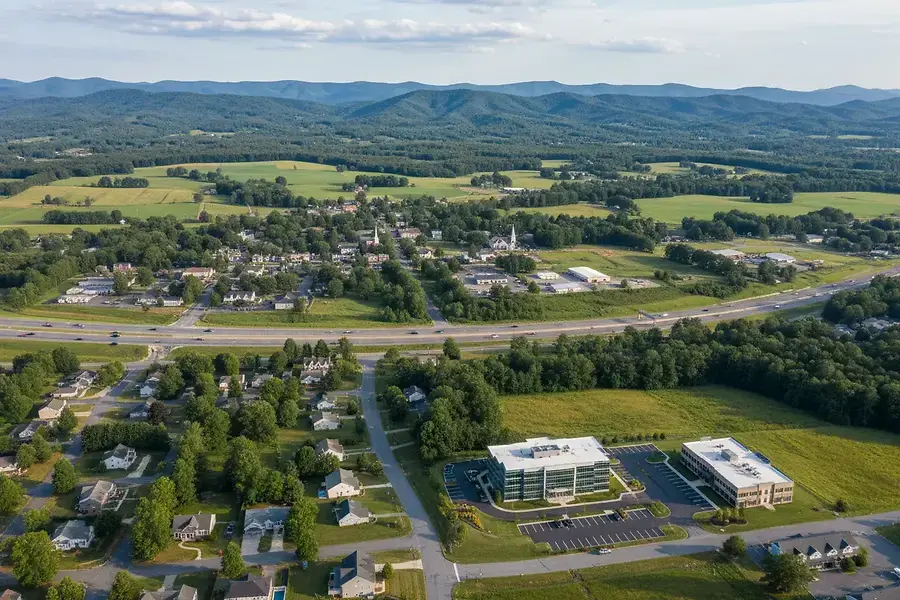
The Appalachian Corridor spanning West Virginia, Virginia, Pennsylvania, and Maryland presents a unique and dynamic real estate landscape. Unlike single-market analyses, understanding this multi-county region requires a nuanced approach that accounts for regional variations, economic drivers, and demographic trends. Each county within this corridor offers distinct opportunities for both residential and commercial investors.
The key to success in this market is recognizing that location-specific factors matter significantly. Proximity to major employment centers, infrastructure development, and local economic conditions create vastly different property values and investment potential across neighboring counties. Investors who understand these regional dynamics gain a competitive advantage.
Comparing Property Values and Investment Potential Across Counties
Understanding Regional Price Variations
Property values across the Appalachian Corridor vary considerably based on several interconnected factors:
- Proximity to urban centers: Counties closer to major cities like Pittsburgh, Washington D.C., and Richmond command higher property values
- Infrastructure and transportation: Access to highways, rail, and public transit significantly impacts market desirability
- Economic diversification: Counties with diverse employment opportunities show more stable property appreciation
- Population trends: Areas experiencing population growth typically see stronger real estate demand
- Development potential: Counties with planned infrastructure projects offer future growth opportunities
Strategic Market Analysis
When comparing markets across multiple counties, data-driven analysis is essential. Look beyond surface-level price comparisons to understand:
The most successful regional investors focus on identifying emerging markets before they experience significant appreciation. This requires understanding local economic indicators, planned development projects, and demographic shifts that precede market growth.
Consider analyzing median home prices, price-per-square-foot metrics, days-on-market statistics, and year-over-year appreciation rates. These metrics reveal which counties are appreciating fastest and where opportunities for value purchases exist.
Investment Potential Scoring
Develop a systematic approach to evaluate investment potential:
- Assess current market conditions and recent sales trends
- Evaluate demographic growth and employment opportunities
- Research planned infrastructure and development projects
- Compare property values to regional and national averages
- Identify emerging neighborhoods and up-and-coming areas
Residential vs. Commercial Opportunities in Each Market
Residential Market Dynamics
The residential market across the Appalachian Corridor offers diverse opportunities depending on county-specific conditions. Single-family homes remain the dominant property type, but market characteristics vary significantly:
Counties with strong population growth and young demographic profiles show robust demand for starter homes and family residences. Areas experiencing economic revitalization attract investors seeking rental properties with strong tenant demand. Rural counties offer land investment opportunities for those with longer investment horizons.
Multi-family residential properties, including duplexes and apartment complexes, perform particularly well in counties with growing employment centers and limited housing supply. These properties often generate consistent cash flow and appeal to institutional investors.
Commercial Real Estate Opportunities
Commercial real estate in this region presents distinct advantages for investors willing to understand local market dynamics:
- Retail properties: Best positioned in growing suburban areas and emerging commercial corridors
- Office space: Demand concentrated in counties with diverse employment bases and business growth
- Industrial properties: Strong opportunities in counties with logistics advantages and transportation access
- Mixed-use developments: Growing trend in revitalized downtown areas and emerging neighborhoods
Comparative Market Positioning
Each county presents different risk-reward profiles for commercial investment. Counties with established commercial districts offer stability but may have higher entry costs. Emerging markets provide growth potential but require more due diligence and longer holding periods.
The most successful commercial investors identify counties where economic fundamentals are strengthening but property values haven't yet fully reflected future potential. This requires understanding local business trends, employment growth, and planned commercial development.
Positioning Yourself as a Regional Real Estate Expert
Building Multi-County Expertise
To establish yourself as a regional expert, develop deep knowledge across multiple markets rather than mastering a single county. This approach offers several advantages:
- Identify arbitrage opportunities between markets
- Advise clients on optimal investment locations based on their goals
- Develop a broader network of professionals and resources
- Create competitive advantages through comparative market analysis
- Build reputation as a comprehensive regional resource
Essential Knowledge Areas
Successful regional experts maintain expertise in:
- Local zoning regulations and development policies across all counties
- Tax implications and incentive programs in each jurisdiction
- Economic drivers and employment trends by county
- Infrastructure projects and planned development initiatives
- Demographic patterns and population movement trends
Practical Implementation Strategies
Build your regional expertise through consistent action:
Network actively with local professionals including real estate agents, developers, municipal officials, and business leaders across all counties. These relationships provide invaluable market insights and opportunities.
Monitor market indicators regularly across all nine markets. Subscribe to local business publications, attend county development meetings, and track economic data. This ongoing research keeps your knowledge current and reveals emerging opportunities.
Specialize in specific niches within the regional market. Whether focusing on commercial development, residential investment, or land banking, deep expertise in a specific property type combined with multi-county knowledge creates powerful competitive advantages.
Conclusion: Positioning Yourself as a Regional Real Estate Expert
The Appalachian Corridor real estate market offers exceptional opportunities for investors and professionals who understand regional dynamics. Success requires moving beyond single-county analysis to develop comprehensive knowledge of how markets interact, compete, and complement each other.
By systematically comparing property values, understanding residential and commercial dynamics, and building expertise across multiple markets, you position yourself as a valuable resource for clients seeking regional real estate opportunities. The most successful professionals in this market recognize that understanding the corridor as an interconnected system—rather than isolated markets—creates sustainable competitive advantages.
Start by selecting two or three adjacent counties for deep analysis, then systematically expand your knowledge across the region. As your expertise grows, you'll identify opportunities that less-informed competitors miss, ultimately building a thriving regional real estate practice.


