Multi-Family Investment Opportunities Across Metro Detroit Communities
Discover high-yield residential and mixed-use properties in Birmingham, Detroit, Troy, Southfield, and Sterling Heights.

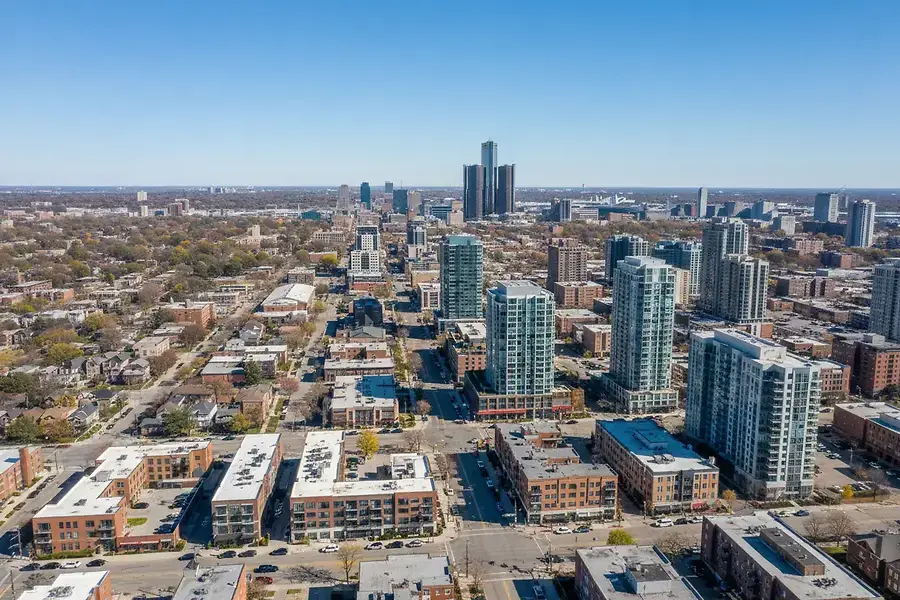
Introduction: The Growing Demand for Multi-Family Properties in Metro Detroit
The Metro Detroit real estate market is experiencing a remarkable transformation. As urban professionals and families seek affordable yet vibrant communities, the demand for multi-family residential properties has surged dramatically. This shift presents unprecedented investment opportunities for those willing to explore the region's diverse neighborhoods.
Multi-family properties—including apartment complexes, townhomes, and mixed-use developments—have become increasingly attractive to investors seeking stable cash flow and long-term appreciation. Metro Detroit's strategic location, affordable entry points, and growing population make it an ideal market for both seasoned and emerging real estate investors.
Market Analysis: Why These Five Communities Offer Exceptional Investment Potential
Birmingham: Upscale Living and Strong Rental Demand
Birmingham stands out as one of Metro Detroit's most desirable communities. Known for its charming downtown, excellent schools, and affluent demographics, Birmingham attracts tenants willing to pay premium rents. Multi-family properties here benefit from consistent occupancy rates and strong appreciation potential.
- Average rental rates: Among the highest in the region
- Target demographic: Young professionals and established families
- Growth drivers: Downtown revitalization and commercial expansion
Detroit: Urban Renaissance and Emerging Neighborhoods
Detroit's downtown and midtown neighborhoods are experiencing a renaissance. Young professionals, artists, and entrepreneurs are revitalizing historic districts, creating strong demand for modern multi-family housing. Investment opportunities abound in neighborhoods like Corktown, Midtown, and Downtown Detroit.
- Appreciation potential: Rapid property value growth in emerging areas
- Rental market: High demand from young professionals and students
- Development incentives: Tax credits and city programs supporting investors
Troy: Suburban Stability and Corporate Proximity
Troy combines suburban comfort with proximity to major corporate headquarters. The community's strong job market, excellent schools, and family-friendly amenities make it attractive to renters seeking stability. Multi-family properties here offer reliable returns with lower vacancy rates.
- Employment centers: Close proximity to major employers
- Tenant quality: Stable, employed professionals and families
- Market stability: Consistent demand and predictable growth
Southfield: Corporate Hub and Mixed-Use Development
Southfield's role as a corporate hub creates unique opportunities for mixed-use properties combining residential and commercial spaces. The city's business district attracts companies and their employees, driving demand for convenient housing options near employment centers.
- Mixed-use potential: Retail, office, and residential combinations
- Corporate tenants: Companies seeking employee housing solutions
- Infrastructure: Excellent transportation and amenities
Sterling Heights: Family-Oriented Growth and Affordability
Sterling Heights offers an excellent balance of affordability and quality of life. The community's family-friendly environment, good schools, and reasonable property costs make it attractive to both renters and investors seeking strong cash flow with lower initial capital requirements.
- Entry-level pricing: More affordable than neighboring communities
- Rental demand: Families seeking value and quality
- Population growth: Steady demographic expansion
Residential vs. Commercial Hybrid Properties: Maximizing Returns in Evolving Neighborhoods
Understanding Mixed-Use Development
Mixed-use properties combine residential units with commercial spaces, creating multiple revenue streams. Ground-floor retail or office space paired with residential units above can significantly enhance returns compared to purely residential properties.
"Mixed-use properties represent the future of urban real estate investment, offering diversified income sources and resilience against market fluctuations."
Advantages of Hybrid Properties
Diversified Income Streams: Residential rents combined with commercial lease payments reduce dependency on a single revenue source. If residential occupancy dips, commercial tenants may maintain stable payments.
Higher Valuation Multiples: Mixed-use properties often command premium valuations due to their income diversity and development potential. Lenders view these properties favorably, potentially offering better financing terms.
Adaptive to Market Changes: As neighborhoods evolve, mixed-use properties can adapt. If an area becomes more commercial, you can expand retail space. If residential demand grows, you can convert commercial to residential.
Strategic Considerations for Hybrid Investments
Successful mixed-use investments require careful planning. Consider the neighborhood's trajectory, zoning regulations, and tenant mix. Properties in transitional areas like Detroit's emerging neighborhoods offer higher appreciation potential but require more active management.
Troy and Southfield's established commercial districts provide stability for mixed-use developments, while Birmingham and Sterling Heights offer opportunities in lifestyle-oriented mixed-use centers combining retail, dining, and residential living.
Property Management Complexity
Managing mixed-use properties requires expertise in both residential and commercial leasing. Different tenant types have different needs, lease structures, and payment patterns. Partnering with experienced property managers familiar with hybrid properties is essential for maximizing returns.
Conclusion: Partner with a Local Expert to Capitalize on Metro Detroit's Real Estate Opportunities
Metro Detroit's multi-family real estate market presents exceptional opportunities for investors. Whether you're drawn to Birmingham's upscale market, Detroit's urban renaissance, Troy's suburban stability, Southfield's corporate connections, or Sterling Heights' affordability, each community offers unique advantages.
The key to success lies in understanding local market dynamics, identifying emerging trends, and making strategic decisions about property types and locations. Mixed-use properties offer particularly compelling returns for investors willing to embrace complexity and actively manage their portfolios.
Ready to explore these opportunities? Partnering with a local real estate expert who understands Metro Detroit's nuanced markets can be the difference between average returns and exceptional wealth-building investments. The time to invest in Metro Detroit is now—communities are evolving, demand is growing, and opportunities are abundant.
Take the first step toward building your multi-family real estate portfolio in Metro Detroit today.


