Multi-Family Investment Potential in Fort Worth's Outer Ring Communities
Discover why residential and commercial investors are turning to Lake Worth, Azle, and Weatherford for high-growth opportunities.

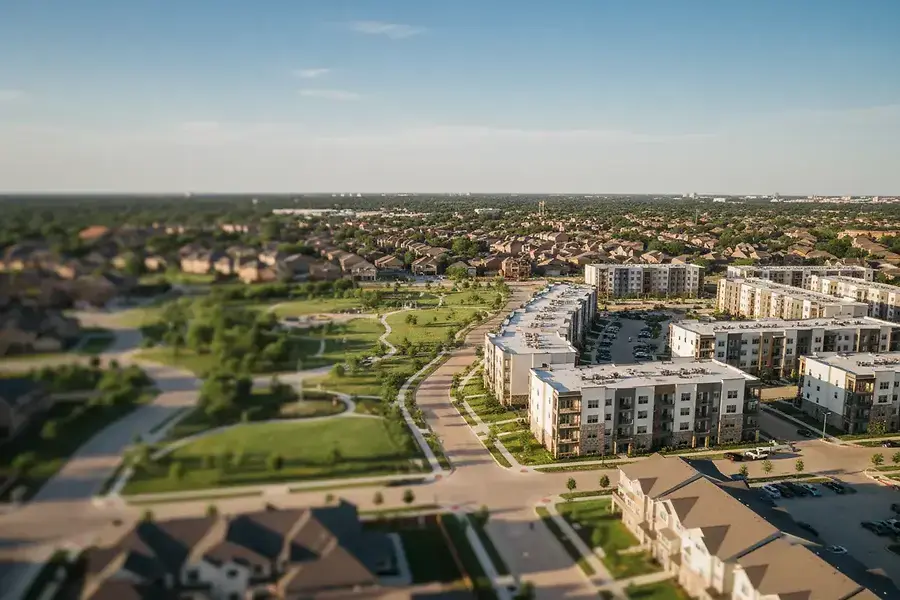
The Shift Toward Fort Worth's Secondary Markets
For years, real estate investors focused their attention on the core urban centers of Dallas-Fort Worth, competing fiercely for limited properties and accepting tighter margins. However, a significant shift is underway. Smart investors are now recognizing the tremendous potential in Fort Worth's outer ring communities, where property values remain accessible, population growth is accelerating, and development opportunities abound.
This migration toward secondary markets isn't driven by desperation—it's driven by data. Communities like Lake Worth, Azle, and Weatherford are experiencing demographic shifts, infrastructure improvements, and economic development that mirror the trajectory of established markets from a decade ago. For investors willing to look beyond the headlines, these areas represent some of the most compelling opportunities in the Texas real estate market.
Why Multi-Family and Mixed-Use Properties Are Thriving in the Outer Ring
Population Growth and Housing Demand
Fort Worth's outer ring communities are experiencing rapid population growth as families and young professionals seek affordable housing options without sacrificing quality of life. This demographic expansion creates strong demand for multi-family properties, from apartment complexes to townhome communities. The influx of residents translates directly into higher occupancy rates and rental income potential for investors.
Affordability and Entry Points
One of the most compelling advantages of investing in these secondary markets is affordability. Property acquisition costs are significantly lower than in established urban centers, allowing investors to:
- Build larger portfolios with the same capital investment
- Achieve positive cash flow more quickly
- Reduce financing requirements and improve debt service coverage ratios
- Diversify holdings across multiple properties and communities
Infrastructure and Economic Development
These communities aren't stagnant—they're actively investing in infrastructure. New roads, improved utilities, and enhanced public services are making these areas more attractive to residents and businesses alike. Additionally, local economic development initiatives are attracting employers, further driving population growth and economic stability.
Mixed-Use Development Opportunities
Beyond traditional multi-family residential, mixed-use properties combining retail, office, and residential components are gaining traction. These developments create vibrant community spaces while providing investors with diversified income streams and reduced vacancy risk through multiple tenant types.
Key Communities Leading the Growth: Lake Worth, Azle, Weatherford, and Beyond
Lake Worth: The Waterfront Advantage
Lake Worth's unique position as a waterfront community provides distinctive appeal. The area is attracting both residential and commercial development, with lakeside properties commanding premium valuations. Multi-family developments here benefit from the recreational amenities and lifestyle appeal that water-adjacent communities offer, making them attractive to renters and buyers alike.
Azle: Strategic Location and Expansion
Azle's strategic location between Fort Worth and surrounding communities positions it as a natural growth corridor. The town is experiencing steady residential expansion, with new subdivisions and apartment communities emerging regularly. For investors, Azle offers the advantage of being early in the growth cycle—properties purchased today will benefit from appreciation as the community matures.
Weatherford: The Established Challenger
As the county seat of Parker County, Weatherford brings institutional stability and established infrastructure. The community has a proven track record of sustainable growth and is increasingly attracting younger demographics seeking small-town charm with modern amenities. Multi-family investments here appeal to investors seeking slightly lower risk profiles with solid growth potential.
Beyond the Big Three
While Lake Worth, Azle, and Weatherford lead the conversation, savvy investors are also exploring emerging opportunities in surrounding communities. Each area offers unique advantages, and a diversified approach across multiple secondary markets can maximize returns while spreading risk.
Positioning Yourself as the Expert in Emerging Real Estate Markets
As these markets gain attention, early investors who develop deep local knowledge will have significant competitive advantages. Consider these strategies:
- Build Local Relationships: Establish connections with local developers, city planners, and community leaders to stay ahead of growth trends
- Monitor Development Pipelines: Track planned infrastructure projects, zoning changes, and economic development initiatives
- Understand Demographic Trends: Study population growth patterns, income levels, and employment centers to identify high-potential areas
- Evaluate Market Timing: Recognize that early entry into emerging markets offers the best appreciation potential
- Focus on Quality Assets: Even in secondary markets, property quality and management excellence drive long-term success
The best time to invest in emerging markets is when locals are still skeptical and prices remain reasonable. By the time these communities become household names, the best opportunities have already been captured.
Conclusion: Positioning Yourself as the Expert in Emerging Real Estate Markets
Fort Worth's outer ring communities represent a paradigm shift in real estate investment strategy. Rather than competing in saturated markets with compressed returns, forward-thinking investors are recognizing the superior opportunities available in Lake Worth, Azle, Weatherford, and surrounding areas.
These communities offer the perfect combination of affordable entry points, strong population growth, infrastructure development, and genuine economic fundamentals. Multi-family and mixed-use properties in these areas aren't speculative plays—they're investments backed by real demographic demand and sustainable growth trends.
The question isn't whether these markets will grow—the data confirms they will. The question is whether you'll position yourself to capitalize on these opportunities before they become mainstream knowledge. The investors who act now, with proper due diligence and strategic planning, will be the ones reaping substantial returns as Fort Worth's outer ring communities mature into the next generation of thriving real estate markets.


