Multi-Family Investment Properties Across Portland Metro Markets
A practical guide to evaluating and acquiring apartment buildings and rental complexes across Beaverton, Hillsboro, Tigard, and surrounding communities.

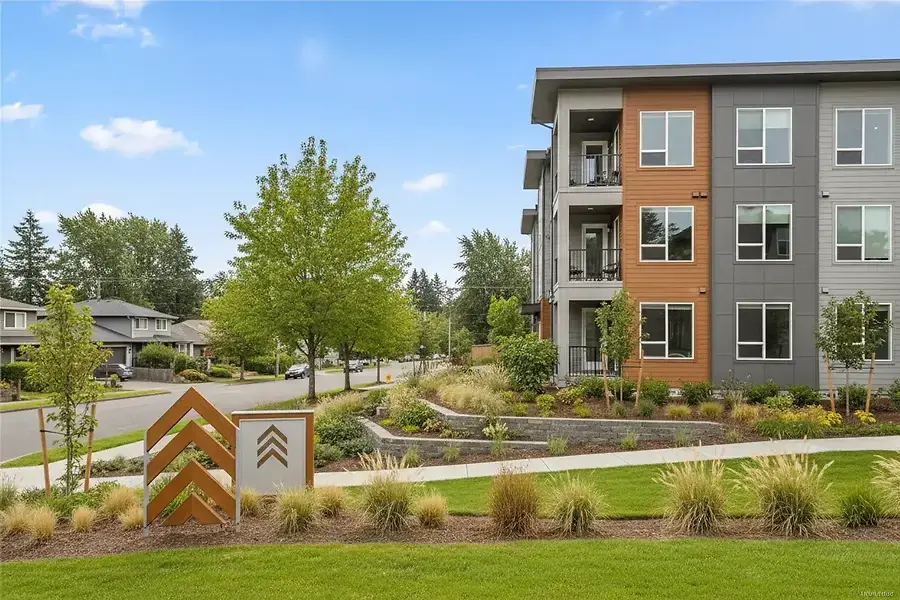
Understanding Multi-Family Market Dynamics in Portland Metro
The Portland metropolitan area has emerged as one of the Pacific Northwest's most attractive markets for multi-family real estate investment. With a growing population, strong employment centers, and increasing housing demand, the region presents compelling opportunities for investors seeking stable cash flow and long-term appreciation.
The Portland metro market encompasses diverse communities, each with unique characteristics and investment profiles. Beaverton, Hillsboro, Tigard, and surrounding areas have experienced significant development and population growth, driven by tech industry expansion, corporate relocations, and the region's quality of life appeal. Understanding these market dynamics is essential for identifying the best investment opportunities.
Market Drivers and Growth Factors
Several key factors support multi-family investment in Portland metro:
- Population Growth: The region continues to attract residents seeking affordable living compared to West Coast alternatives
- Employment Centers: Major tech companies and corporate headquarters create stable tenant demand
- Transit Development: Expanding public transportation increases property accessibility and desirability
- Demographic Trends: Millennials and young professionals prefer rental flexibility in urban and suburban settings
- Limited Supply: Zoning restrictions and development costs create supply constraints that support rental rates
Key Investment Metrics and Financial Analysis for Apartment Complexes
Successful multi-family investing requires mastery of specific financial metrics that reveal property performance and investment potential. These metrics help investors compare opportunities and make data-driven decisions.
Essential Financial Metrics
Cap Rate (Capitalization Rate) represents the annual return on your cash investment. Calculate it by dividing net operating income by property purchase price. Portland metro multi-family properties typically offer cap rates between 4.5% and 7%, depending on location and property condition.
Cash-on-Cash Return measures the annual cash flow generated relative to your actual cash invested. This metric is crucial for understanding real returns after accounting for financing costs and operating expenses.
Debt Service Coverage Ratio (DSCR) indicates whether rental income sufficiently covers loan payments. Lenders typically require a minimum DSCR of 1.25, meaning annual net operating income must be 25% higher than annual debt service.
Operating Expense Analysis
Understanding operating expenses is critical for accurate financial projections. Multi-family properties typically incur:
- Property management fees (typically 4-8% of gross revenue)
- Maintenance and repairs (reserve 5-10% of gross revenue)
- Property taxes and insurance
- Utilities (if owner-paid)
- Vacancy allowance (typically 5-7% of potential gross income)
Conservative expense estimates protect your investment and ensure realistic financial projections.
Comparing Multi-Family Opportunities Across Eight Prime Markets
Each Portland metro community offers distinct advantages for multi-family investors. Understanding these differences helps you target markets aligned with your investment strategy.
Beaverton Market Profile
Beaverton has transformed into a major employment hub with significant tech industry presence. The city offers excellent schools, suburban amenities, and strong population growth. Multi-family properties here attract young professionals and families seeking suburban living with urban convenience.
Hillsboro Opportunities
As home to major semiconductor and tech manufacturing facilities, Hillsboro commands premium rental rates and maintains low vacancy. The market appeals to investors seeking stable, higher-income tenants and strong employment fundamentals.
Tigard and Surrounding Communities
Tigard offers a balanced market with good accessibility, reasonable property prices, and solid rental demand. The community attracts diverse tenant profiles and provides opportunities for value-add investments. Surrounding areas like Lake Oswego and West Linn offer upscale multi-family opportunities for investors targeting higher-income demographics.
Inner Portland and Close-In Suburbs
Neighborhoods closer to downtown Portland command premium valuations but offer excellent walkability, transit access, and tenant demand. These markets suit investors prioritizing appreciation and lifestyle-oriented tenants willing to pay premium rents.
Due Diligence, Acquisition Strategy, and Long-Term Growth Potential
Thorough due diligence separates successful investments from costly mistakes. A comprehensive approach protects your capital and ensures sustainable returns.
Critical Due Diligence Steps
Physical Inspection and Capital Needs Assessment: Hire qualified inspectors to evaluate building systems, structural integrity, and deferred maintenance. Identify capital expenditure requirements for the next 5-10 years.
Tenant and Lease Analysis: Review all leases, tenant quality, and lease expiration schedules. Understand rent comparability and identify opportunities for rate increases. Assess tenant stability and payment history.
Market Rent Verification: Conduct independent market surveys to confirm asking rents align with comparable properties. Identify rent growth potential and market saturation levels.
Financial Record Review: Obtain 3-5 years of actual operating statements. Verify all income sources and expense categories. Identify any unusual or non-recurring expenses.
Acquisition Strategy Framework
Develop a systematic approach to property acquisition:
- Establish clear investment criteria (location, size, price range, desired returns)
- Build relationships with brokers and market specialists
- Analyze 10-15 properties for every one you pursue seriously
- Negotiate aggressively while remaining professional and reasonable
- Secure pre-approval financing before making offers
- Include contingencies for inspection, appraisal, and financing
Long-Term Growth and Value Creation
Appreciation Potential: Portland metro markets have demonstrated consistent property appreciation. Population growth, employment expansion, and limited supply support long-term value increases.
Rent Growth: Multi-family rents typically increase 2-3% annually, outpacing inflation and providing inflation protection for your investment.
Value-Add Opportunities: Many Portland metro properties offer improvement potential through unit renovations, amenity upgrades, and operational efficiency improvements. These enhancements can increase property values by 15-25%.
Success in multi-family investing requires patience, discipline, and a long-term perspective. Focus on acquiring quality properties in strong markets, managing them efficiently, and allowing time for appreciation and rent growth to compound your returns.
Building Your Investment Portfolio
Consider a diversified approach across multiple Portland metro markets. This strategy reduces concentration risk while capturing growth opportunities across different market segments. Start with one property to build experience and systems, then scale systematically as you gain expertise and capital.
The Portland metro multi-family market offers compelling opportunities for disciplined investors who understand market dynamics, apply rigorous financial analysis, and execute systematic acquisition strategies. By following this practical guide, you can identify quality properties, negotiate favorable terms, and build a profitable real estate portfolio.


