Multi-Generational Homes: Design Strategies for Modern Families
Practical strategies for designing residential spaces that accommodate multiple generations comfortably and functionally.

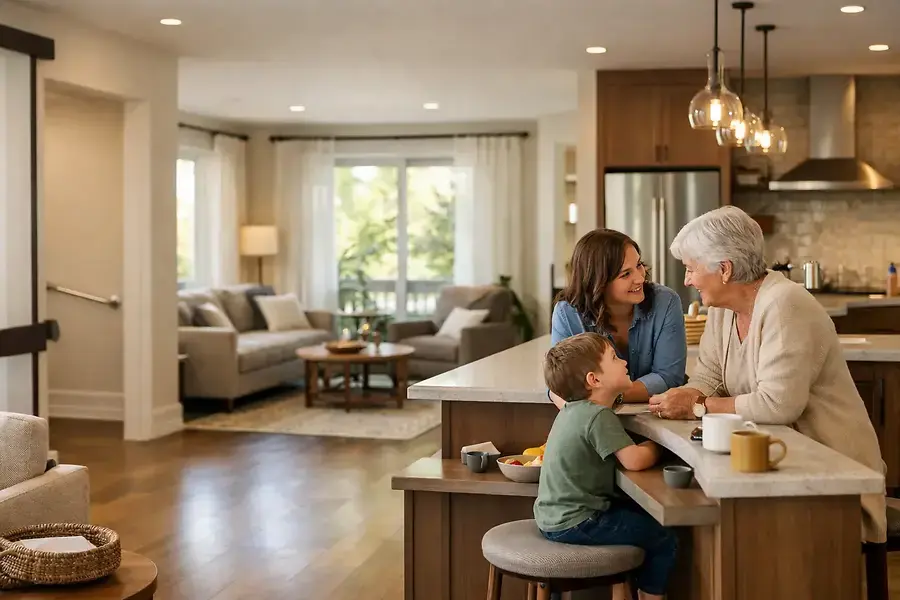
The Growing Demand for Multi-Generational Living
The modern family structure is evolving. More households are choosing to live under one roof, combining grandparents, parents, and children in shared homes. This trend reflects both economic realities and a desire to strengthen family bonds while providing mutual support across generations.
Multi-generational living offers numerous benefits: reduced housing costs, enhanced childcare support, elder care accessibility, and strengthened family relationships. However, designing a home that accommodates everyone's needs requires thoughtful planning and strategic design choices. The key is creating spaces that feel comfortable for all ages while maintaining the independence and privacy each generation values.
Whether you're renovating an existing home or building from scratch, understanding the principles of multi-generational design will help you create a space where everyone thrives.
Designing Flexible Floor Plans and Private Spaces
Open Concept with Defined Zones
The foundation of successful multi-generational homes is a flexible floor plan that balances communal and private spaces. Rather than rigid room divisions, consider open-concept designs with clearly defined zones. This approach allows families to gather together while maintaining visual and acoustic separation when needed.
- Create a central living area that serves as the family hub
- Use furniture placement and subtle architectural elements to define different zones
- Install sliding doors or pocket doors to close off spaces when privacy is desired
- Ensure natural light flows throughout the home to create an open, welcoming atmosphere
Separate Living Quarters
For maximum independence, consider designing separate living quarters for different generations. This might include:
- In-law suites or accessory dwelling units (ADUs) with their own kitchenette, bedroom, and bathroom
- Basement apartments that provide complete privacy while remaining connected to the main home
- Upper-floor bedrooms with ensuite bathrooms for elderly parents who prefer to avoid stairs
- Shared common areas like a family room or dining space for gathering
The goal is to provide independence without isolation. Each generation should have their own retreat space while still being part of the family unit.
Flexible Room Design
Design rooms that can adapt to changing needs. A bedroom might serve as a guest room, home office, or nursery depending on the season or life stage. Multipurpose spaces maximize functionality and allow your home to evolve with your family's changing requirements.
Essential Features: Accessibility, Kitchens, and Bathrooms
Accessibility Throughout the Home
Aging in place is a critical consideration in multi-generational homes. Universal design principles ensure comfort for people of all ages and abilities:
- Wide doorways and hallways (at least 36 inches) to accommodate wheelchairs and walkers
- Zero-step entries or ramps instead of stairs at main entrances
- Grab bars and handrails in bathrooms and along stairways
- Lever-style door handles and faucets that are easier to operate than knobs
- Adequate lighting throughout the home, especially in hallways and bathrooms
- Non-slip flooring in kitchens and bathrooms to prevent falls
Kitchen Design for Multiple Cooks
The kitchen is often the heart of a multi-generational home. Design kitchens that accommodate multiple cooks and varying abilities:
- Install varied counter heights (30-36 inches) to suit different family members
- Position frequently used items at waist-to-eye level to minimize bending and reaching
- Choose pull-out shelves and drawers for easier access to storage
- Include multiple work stations so family members can cook simultaneously
- Select durable, easy-to-clean surfaces that withstand heavy use
- Ensure adequate lighting over work areas and cooking surfaces
Bathroom Solutions
Bathrooms require special attention in multi-generational homes. Multiple bathrooms reduce morning conflicts and accommodate different needs:
- Install walk-in showers with grab bars instead of tubs for elderly residents
- Consider curbless showers that are wheelchair accessible
- Use comfort-height toilets (17-19 inches) that are easier for seniors to use
- Add heated towel racks and ventilation to prevent moisture damage
- Include adequate storage for medications and personal care items
- Install anti-scald faucets to prevent burns
"A well-designed multi-generational home isn't just about fitting more people under one roof—it's about creating an environment where every generation can thrive independently while enjoying the benefits of family proximity."
Building Homes That Bring Families Together
Multi-generational living is more than a housing trend; it's a return to family-centered living with modern conveniences. By thoughtfully designing flexible spaces, prioritizing accessibility, and creating functional kitchens and bathrooms, you can build a home that accommodates everyone's needs.
The most successful multi-generational homes balance privacy with connection, independence with support, and individual needs with family unity. Whether you're planning a renovation or new construction, these design strategies will help you create a home where multiple generations can live comfortably, safely, and happily together.
Start by assessing your family's specific needs, consulting with an architect or designer experienced in multi-generational homes, and investing in features that will serve your household for years to come. Your home should reflect your family's values and support the meaningful connections that make multi-generational living so rewarding.


