Multi-Use Properties in Baltimore: Smart Investments for 2025
Discover how residential-commercial hybrid properties are transforming neighborhoods across Maryland's central region.

The Rise of Multi-Use Properties in Greater Baltimore
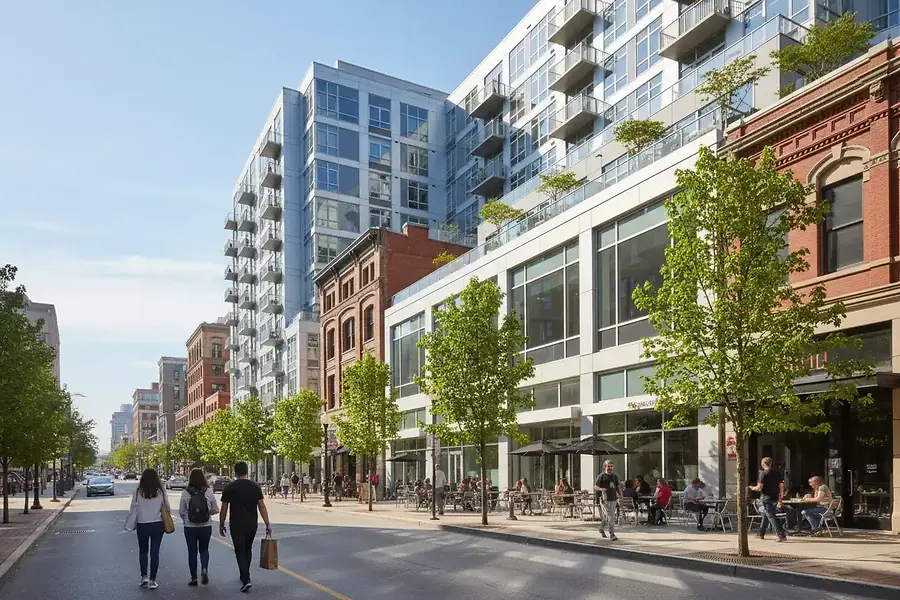
The Baltimore real estate market is experiencing a significant transformation as multi-use properties gain momentum among savvy investors and developers. These hybrid properties, which combine residential units with commercial spaces, are reshaping the urban and suburban landscape across Maryland's central region. Unlike traditional single-purpose developments, multi-use properties offer flexibility, diversified income streams, and the ability to revitalize underutilized neighborhoods.
The appeal of multi-use properties lies in their versatility. Ground-floor retail or office spaces can generate consistent commercial revenue, while upper-level residential units provide long-term rental income. This dual-revenue model creates a more resilient investment that can weather market fluctuations better than single-use properties. As Baltimore continues to evolve, these properties are becoming the blueprint for sustainable urban development.
Why Investors Are Choosing Mixed-Use Properties Across Maryland Counties
Economic Resilience and Diversified Income
One of the primary reasons investors are gravitating toward multi-use properties is the economic resilience they provide. By combining residential and commercial components, property owners reduce their dependence on a single revenue stream. If commercial tenants face challenges, residential income can offset losses, and vice versa. This diversification strategy appeals to both institutional investors and individual property owners seeking stable returns.
Meeting Community Needs
Multi-use properties address a critical gap in many Maryland communities. Residents increasingly prefer walkable neighborhoods where they can live, work, and shop without extensive commutes. By providing residential units alongside retail, restaurants, and professional offices, these properties create vibrant, self-sufficient communities. This demand is particularly strong in areas experiencing population growth and urban revitalization.
Tax Incentives and Development Support
Maryland and Baltimore City offer various tax credits and incentives for mixed-use development projects. Programs such as the Opportunity Zone benefits and historic preservation tax credits can significantly enhance project profitability. Additionally, local governments often provide expedited permitting and zoning flexibility for developments that contribute to neighborhood revitalization, making these projects more attractive from a financial perspective.
Sustainability and Future-Proofing
As environmental concerns grow, multi-use properties align with sustainable development practices. These properties reduce sprawl, promote public transportation usage, and create walkable communities that lower carbon footprints. Investors who embrace this model position themselves favorably for future regulations and consumer preferences that increasingly favor sustainable living options.
Top Neighborhoods for Multi-Use Development: From Lutherville Timonium to Anne Arundel County
Lutherville Timonium
Located in Baltimore County, Lutherville Timonium represents an ideal market for multi-use development. This affluent suburban community has strong demographics, excellent schools, and growing demand for convenient retail and dining options. Recent developments in the area demonstrate the viability of mixed-use projects that cater to both residential and commercial needs. The neighborhood's accessibility via major transportation corridors makes it attractive for both residents and business owners.
Canton and Fells Point
These historic Baltimore neighborhoods have successfully integrated multi-use properties into their fabric. The combination of restored historic buildings with modern residential lofts and ground-floor businesses has created thriving, walkable communities. These areas command premium rental rates and attract both young professionals and established families, making them excellent investment opportunities for those seeking established markets with proven demand.
Harbor East and Inner Harbor
The waterfront areas continue to attract significant investment in multi-use development. The combination of residential luxury apartments, upscale retail, and office space has transformed these neighborhoods into premier destinations. While competition is higher in these established areas, the consistent demand and strong appreciation potential make them attractive for investors with substantial capital.
Anne Arundel County Expansion
Anne Arundel County is emerging as a frontier for multi-use development. Communities like Glen Burnie and Annapolis are experiencing renewed interest in mixed-use projects that serve growing populations. These areas offer lower entry costs compared to central Baltimore while maintaining strong fundamentals and growth potential. Investors looking for emerging opportunities should consider these expanding suburban markets.
Federal Hill and South Baltimore
Federal Hill continues to attract young professionals and families seeking urban living with neighborhood character. Multi-use developments in this area combine modern residential units with popular retail and restaurant spaces. The neighborhood's walkability and vibrant atmosphere make it an excellent choice for investors targeting the millennial and Gen Z demographics.
Getting Started: How Real Estate Professionals Can Capitalize on This Market Trend
Conduct Thorough Market Analysis
Before investing in multi-use properties, conduct comprehensive market research specific to your target neighborhood. Analyze demographic trends, employment centers, transportation access, and existing competition. Understanding local zoning regulations and development incentives is equally important. This foundational work will help you identify the most promising opportunities and avoid potential pitfalls.
Assemble the Right Team
Successful multi-use development requires expertise across multiple disciplines. Partner with experienced architects, contractors, property managers, and legal advisors who understand mixed-use projects. Real estate professionals should also cultivate relationships with local government officials and community organizations to navigate the development process smoothly.
Focus on Location and Accessibility
The success of multi-use properties depends heavily on location. Prioritize sites with excellent public transportation access, high foot traffic, and proximity to employment centers and amenities. Properties in walkable neighborhoods with strong demographics will command higher rents and attract quality tenants more easily than isolated locations.
Plan for Operational Complexity
Managing multi-use properties requires more sophisticated operations than single-use buildings. You'll need to coordinate between residential and commercial tenants, manage different lease structures, and handle diverse maintenance needs. Consider hiring professional property management companies experienced in mixed-use properties to ensure smooth operations and maximize returns.
Leverage Financing and Incentive Programs
Explore all available financing options and incentive programs. Many lenders now offer specialized loan products for mixed-use developments. Additionally, investigate federal and state tax credits, local development grants, and public-private partnership opportunities. These resources can significantly improve project economics and reduce your capital requirements.
Stay Informed and Adaptable
The real estate market evolves constantly. Stay informed about changing consumer preferences, emerging neighborhoods, and new development opportunities. Attend industry conferences, join professional organizations, and maintain relationships with other investors and developers. Flexibility and willingness to adapt your strategy based on market conditions will serve you well in this dynamic sector.
The multi-use property market in Baltimore and surrounding Maryland counties presents compelling opportunities for investors and real estate professionals. By understanding market dynamics, selecting the right locations, and assembling experienced teams, you can capitalize on this growing trend. Whether you're targeting established neighborhoods like Canton and Federal Hill or emerging markets in Anne Arundel County, multi-use properties offer the diversified returns and community impact that define successful real estate investing today.


