Multi-Use Properties: Pittsburgh's Mixed-Use Investment Opportunities
Discover how commercial-residential hybrid properties are creating wealth-building opportunities for investors across the South Hills and Greater Pittsburgh region.

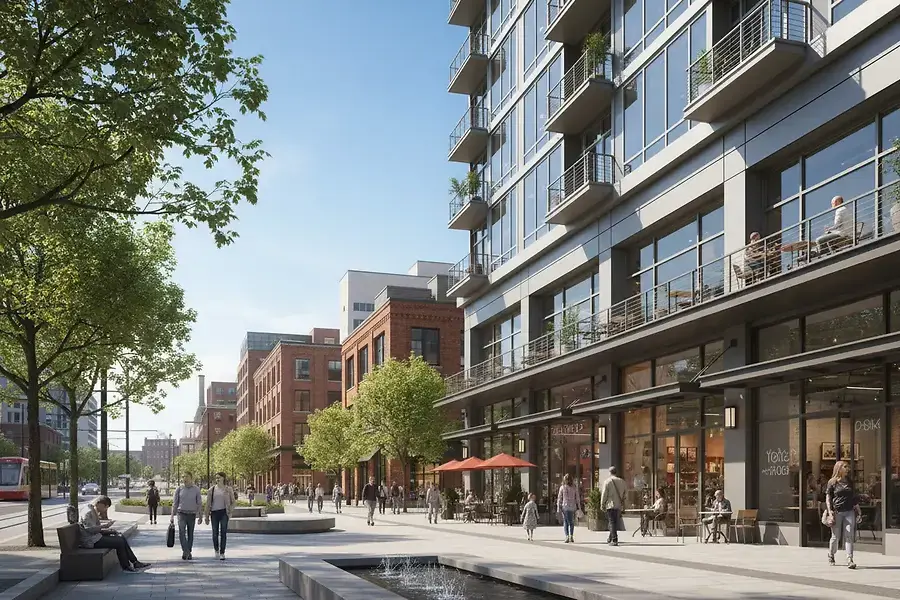
The Rise of Mixed-Use Real Estate in Pittsburgh's Suburbs
Pittsburgh's real estate landscape is undergoing a significant transformation. The traditional separation between commercial and residential spaces is blurring, creating dynamic investment opportunities that appeal to both seasoned investors and newcomers to the market. Mixed-use properties—buildings that combine retail, office, or commercial space with residential units—are reshaping how communities develop and how investors build wealth.
The South Hills and Greater Pittsburgh region has become a hotbed for this trend. As urban centers become increasingly crowded and expensive, suburban mixed-use developments offer an attractive alternative. These properties provide investors with diversified income streams, reduced vacancy risks, and the potential for significant appreciation over time.
Why is this happening now? Several factors are driving this shift. Remote work has changed how people view their living and working spaces. Younger professionals and families are seeking neighborhoods that offer convenience, walkability, and a sense of community—all hallmarks of well-designed mixed-use properties.
Understanding Commercial-Residential Hybrid Properties: Benefits and Market Demand
What Are Mixed-Use Properties?
Mixed-use properties are real estate developments that integrate multiple functions into a single building or complex. Typically, you'll find ground-floor retail or office space with residential apartments or condominiums above. Some developments include restaurants, fitness centers, or entertainment venues alongside housing units.
Key Benefits for Investors
- Diversified Income Streams: Rental income from both commercial tenants and residential units reduces dependency on a single revenue source. If retail leases decline, residential income provides stability.
- Higher Occupancy Rates: Mixed-use properties typically maintain higher occupancy rates than single-use buildings. When one sector softens, the other often remains strong.
- Increased Property Value: These properties often command premium valuations due to their versatility and appeal to a broader tenant base.
- Tax Advantages: Investors can leverage depreciation benefits across multiple property types, potentially reducing taxable income.
- Community Appeal: Mixed-use developments create vibrant neighborhoods that attract quality tenants and support long-term appreciation.
Market Demand in Pittsburgh
Pittsburgh's market shows strong demand for mixed-use properties. The region's revitalization efforts, coupled with population growth in suburban areas, have created ideal conditions for these investments. Young professionals relocating to Pittsburgh seek neighborhoods that offer both work and lifestyle amenities. Families appreciate the convenience of having shops, services, and dining options within walking distance of their homes.
The data speaks for itself: Mixed-use developments in the Pittsburgh area are experiencing faster lease-up rates and higher rental premiums compared to traditional single-use properties. This trend is expected to continue as more investors recognize the value proposition.
Top South Hills and Pittsburgh Area Locations for Mixed-Use Investments
South Hills Neighborhoods
The South Hills region offers several prime locations for mixed-use investments:
- Bethel Park: This affluent suburb is experiencing significant development. Its strong demographic profile and growing commercial corridor make it ideal for mixed-use projects targeting upscale renters and retail tenants.
- Upper St. Clair: Known for excellent schools and family-friendly amenities, Upper St. Clair is attracting mixed-use developments that cater to professionals and families seeking suburban convenience.
- Mt. Lebanon: This established community is seeing revitalization efforts that include mixed-use redevelopment projects. The area's walkability and established infrastructure make it attractive for investors.
Greater Pittsburgh Opportunities
Beyond the South Hills, several Pittsburgh neighborhoods present compelling opportunities:
- Shadyside: Already a mixed-use hub, Shadyside continues to attract investment. Its established retail presence and affluent residential base support premium mixed-use developments.
- Lawrenceville: This neighborhood is experiencing rapid gentrification and revitalization. Mixed-use properties here appeal to younger demographics seeking urban amenities with neighborhood character.
- Strip District: Historic warehouses are being converted into mixed-use spaces, combining loft apartments with ground-floor retail and restaurants.
What Makes These Locations Attractive?
These areas share common characteristics that make them ideal for mixed-use investments: established infrastructure, growing employment centers, strong demographic trends, and community support for development. Additionally, many of these neighborhoods benefit from proximity to Pittsburgh's major employment hubs and universities.
Getting Started: How to Identify and Evaluate Multi-Use Properties in Your Market
Step 1: Research Market Fundamentals
Before investing, understand your target market. Study employment trends, population growth, median income levels, and demographic shifts. Look for neighborhoods experiencing revitalization or positioned for growth. Pittsburgh's tech sector expansion and healthcare industry strength create stable employment bases that support mixed-use development.
Step 2: Analyze the Property
When evaluating a specific mixed-use property, examine:
- Tenant Mix: What types of commercial tenants occupy the space? Are they stable, established businesses or newer ventures? Diversified tenant bases reduce risk.
- Lease Terms: Review lease lengths, renewal rates, and rent growth potential. Long-term leases with creditworthy tenants provide income stability.
- Residential Demand: Assess the rental market for residential units. What are comparable rents? What is the vacancy rate? Is demand growing?
- Physical Condition: Inspect the building thoroughly. Mixed-use properties have complex systems serving multiple uses. Budget for maintenance accordingly.
Step 3: Run the Numbers
Calculate key metrics including cap rate, cash-on-cash return, and projected appreciation. Compare mixed-use properties to single-use alternatives in the same market. Mixed-use properties should offer compelling returns that justify their added complexity.
Pro Tip: Use conservative assumptions when projecting income. Account for potential vacancies in both commercial and residential spaces, and budget for higher maintenance costs associated with mixed-use operations.
Step 4: Consider Financing and Partnerships
Mixed-use properties often require specialized financing. Traditional lenders may be unfamiliar with these properties, so work with banks experienced in mixed-use lending. Consider partnerships with experienced operators who understand the complexities of managing both commercial and residential tenants.
Step 5: Evaluate Management Requirements
Mixed-use properties demand sophisticated management. You'll need to coordinate maintenance for shared systems, manage different tenant types with varying needs, and handle the unique challenges of mixed-use operations. Factor management costs into your investment analysis.
Conclusion
Mixed-use properties represent a compelling investment opportunity in Pittsburgh's suburbs. By combining commercial and residential components, these properties offer diversified income, reduced risk, and strong appreciation potential. The South Hills and Greater Pittsburgh region provides numerous attractive locations for these investments, from established neighborhoods like Shadyside to emerging areas like Lawrenceville.
Success requires thorough market research, careful property analysis, and realistic financial projections. For investors willing to navigate the added complexity, mixed-use properties can be the foundation of a robust real estate portfolio. As Pittsburgh continues to evolve and attract new residents and businesses, mixed-use developments will play an increasingly important role in shaping the region's future—and in building investor wealth.


