Naperville Home Selling: Pricing Strategies for Maximum Profit
Learn proven tactics to price your Naperville home competitively and attract serious buyers in today's market.

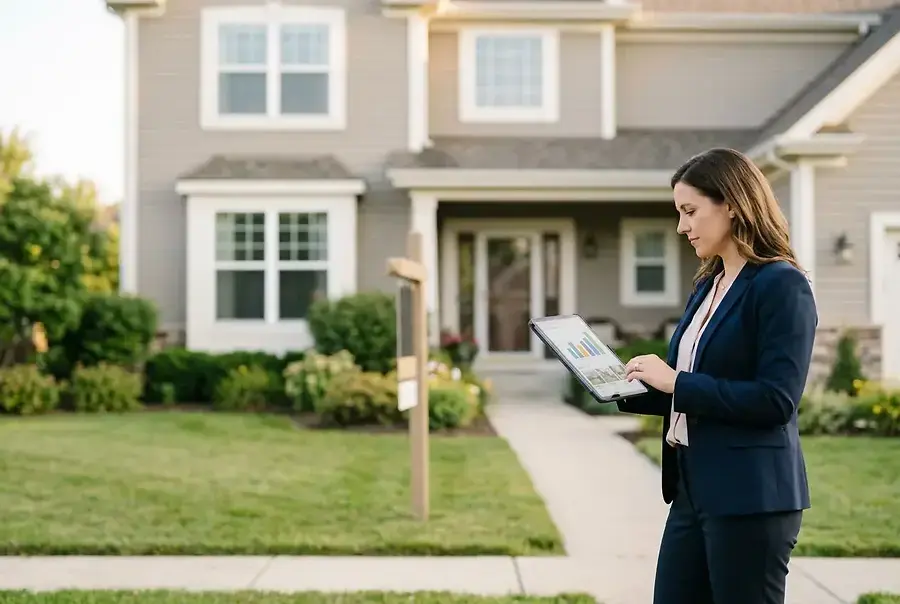
Understanding Naperville's Current Real Estate Market Dynamics
The Naperville real estate market continues to be one of the most desirable communities in the Chicago metropolitan area. Before listing your home, it's essential to understand the current market conditions that will directly impact your pricing strategy.
Market Trends and Buyer Behavior
Naperville's market is characterized by strong demand from families seeking excellent schools, safe neighborhoods, and convenient access to employment centers. The inventory levels, average days on market, and buyer preferences have shifted significantly, making it crucial to stay informed about these dynamics.
Key factors influencing the market include:
- Interest rates and their impact on buyer purchasing power
- Seasonal demand variations throughout the year
- Neighborhood-specific trends that affect property values
- Economic indicators affecting the local job market
Understanding these elements will help you position your home strategically and avoid common pricing mistakes that could cost you thousands in lost profit.
Comparative Market Analysis: How to Price Your Home Like a Pro
What is Comparative Market Analysis (CMA)?
A Comparative Market Analysis is the foundation of intelligent pricing. It involves analyzing recently sold properties in your area that are similar to yours in size, condition, location, and features.
Steps to Conduct Your Own CMA
Step 1: Identify Comparable Properties
Look for homes that sold within the last 90 days in your neighborhood. Ideally, you want properties that are within a quarter-mile of your home and similar in square footage, age, and condition. Avoid comparing your home to listings that are still on the market, as these represent asking prices, not actual market value.
Step 2: Analyze Key Metrics
For each comparable property, note:
- Sale price and price per square foot
- Days on market before sale
- Number of bedrooms and bathrooms
- Lot size and property condition
- Special features or upgrades
Step 3: Make Adjustments
If your home has features that comparable properties lack—such as a renovated kitchen, updated HVAC system, or premium lot location—add value accordingly. Conversely, subtract value for needed repairs or outdated features.
The Price Per Square Foot Method
Calculate the average price per square foot for comparable homes, then multiply by your home's square footage. This provides a baseline valuation that helps you avoid emotional pricing decisions.
Strategic Pricing Techniques to Maximize Your Home's Value
The Psychology of Pricing
Charm Pricing Strategy: Consider pricing just below psychological price points. A home priced at $449,900 often attracts more attention than one priced at $450,000, even though the difference is minimal. This technique can generate more showings and competitive offers.
Aggressive vs. Conservative Pricing
Aggressive pricing means listing slightly below market value to generate multiple offers and create bidding competition. This approach works well in competitive markets where inventory is low. Conservative pricing involves listing at or slightly above market value, appealing to buyers who conduct thorough research.
The key is matching your strategy to current market conditions. In a buyer's market, aggressive pricing may be necessary. In a seller's market, you have more flexibility.
Pricing for Different Market Conditions
- Seller's Market: List at or above market value; homes sell quickly with multiple offers
- Buyer's Market: Price competitively below market value to attract serious buyers
- Balanced Market: Price at fair market value based on recent comparable sales
The Importance of Professional Guidance
While DIY analysis is helpful, working with a local real estate agent provides access to the Multiple Listing Service (MLS), professional market data, and expert insights. Agents understand neighborhood nuances that raw data cannot capture, such as upcoming developments or school district changes that affect property values.
Preparing Your Home for Sale and Closing the Deal
Curb Appeal and First Impressions
Your home's exterior is the first thing buyers see. Invest in landscaping, fresh paint, and clean windows. A well-maintained exterior can increase perceived value and justify your asking price.
Interior Staging and Presentation
Declutter and depersonalize your home to help buyers envision themselves living there. Neutral colors, clean spaces, and strategic furniture arrangement make homes feel larger and more appealing. Professional staging can increase your home's perceived value by 5-10%.
Highlighting Key Features
Ensure your listing emphasizes features that justify your price:
- Recent renovations and upgrades
- Energy-efficient systems and appliances
- Proximity to schools, parks, and shopping
- Unique architectural features or premium lot location
Timing Your Sale
Spring and early summer typically see higher buyer activity in Naperville. However, less competition during fall and winter can mean faster sales for well-priced homes. Consider your personal timeline and market conditions when deciding when to list.
Negotiation and Closing
Be prepared for negotiations. Buyers often make offers below asking price. Your pricing strategy should account for this reality. If you price too high, you may receive lowball offers or no offers at all. Strategic pricing positions you to negotiate from a position of strength.
Once you receive an offer, be flexible on minor issues. Buyers often request repairs or credits for inspections. Maintaining a cooperative attitude can mean the difference between a closed deal and a failed transaction.
Final Thoughts
The most successful home sellers in Naperville understand that pricing is both an art and a science. By combining market data with strategic thinking and professional guidance, you can maximize your profit and attract serious buyers ready to make a move.
Remember, your home's price is not set in stone. If you're not receiving showings or offers after two weeks, it may be time to adjust. Conversely, multiple offers indicate you may have priced too low. Stay flexible, monitor market feedback, and be willing to adapt your strategy for optimal results.