Naperville Home Staging: Transform Your House Into a Buyer's Dream
Learn professional staging techniques that help Naperville homes sell faster and for top dollar.

Why Home Staging Matters in Today's Naperville Market
The Naperville real estate market is competitive, and first impressions matter more than ever. When potential buyers walk through your door, they're not just seeing a house—they're imagining their future in it. Home staging is the art of presenting your property in its absolute best light, and it's become essential for sellers who want to stand out.
Studies show that staged homes sell significantly faster than unstaged ones. In Naperville's dynamic market, this speed translates directly to money in your pocket. Buyers are more willing to make competitive offers on homes that feel move-in ready and emotionally appealing. Staging removes the guesswork and helps buyers envision themselves living in your space.
Beyond speed, staging influences the final sale price. Homes that are properly staged often command higher offers because they appear more valuable and well-maintained. The investment in staging typically returns three to five times what you spend, making it one of the smartest decisions you can make before listing.
Room-by-Room Staging Strategies for Maximum Impact
The Living Room: Create an Inviting Gathering Space
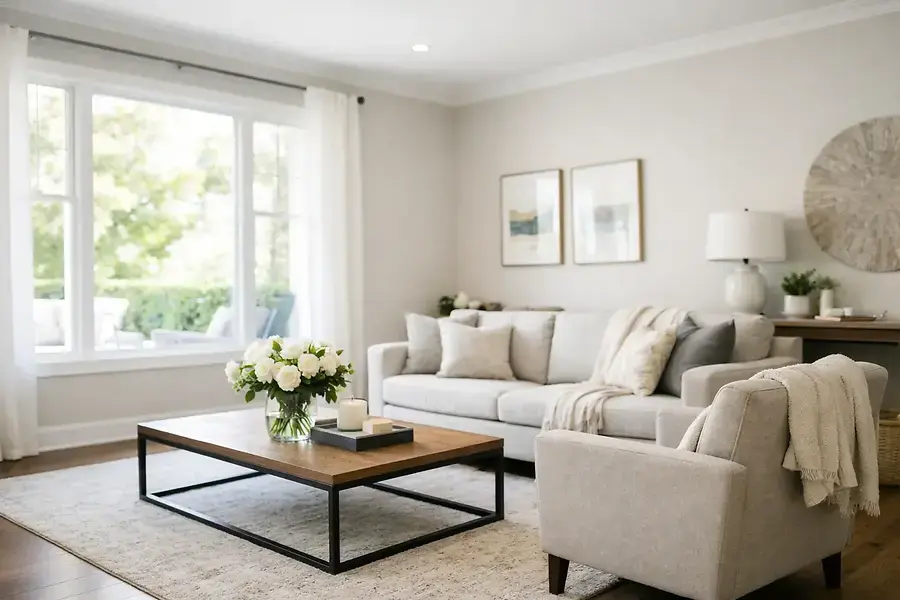
Your living room sets the tone for the entire home. Arrange furniture to create conversation areas and highlight the room's best features. Remove excess items and keep surfaces clean and clutter-free. Add fresh flowers or plants to bring life into the space. Neutral throw pillows and blankets add warmth without overwhelming potential buyers.
The Kitchen: The Heart of the Home
Kitchens are deal-makers or deal-breakers. Clean countertops are non-negotiable—remove small appliances, personal items, and clutter. Stage your kitchen to show functionality and space. A bowl of fresh fruit or fresh herbs in a vase adds visual appeal. Ensure lighting is bright and welcoming, and consider updating cabinet hardware if it looks dated.
Bedrooms: Peaceful and Spacious
Bedrooms should feel like personal sanctuaries. Make beds with high-quality linens and minimal pillows. Remove personal photos and memorabilia that might distract buyers. Keep closets organized and partially empty to demonstrate storage space. Neutral wall colors and minimal furniture help rooms feel larger and more peaceful.
Bathrooms: Clean and Spa-Like
Bathrooms require meticulous attention to detail. Everything must be spotlessly clean—this is non-negotiable. Remove personal items from countertops and organize under-sink storage. Add fresh towels, a small plant, and subtle scents like lavender. Good lighting is essential; replace dim bulbs and ensure mirrors are clean and well-lit.
Curb Appeal: Your Home's First Handshake
Buyers form opinions before they even step inside. Invest in landscaping, fresh paint on the front door, and clean windows. Remove clutter from the porch, add potted plants, and ensure the entrance is well-lit and inviting. A well-maintained exterior tells buyers that the interior has been cared for too.
Budget-Friendly Staging Tips for Every Homeowner
Professional staging doesn't require a fortune. Here are practical, affordable strategies:
- Declutter ruthlessly: Remove 30-50% of items from each room. This costs nothing but creates dramatic impact.
- Deep clean everything: A spotless home feels newer and more valuable. This is free and incredibly effective.
- Rearrange furniture: Move pieces to create better flow and highlight room dimensions. No cost, maximum impact.
- Paint accent walls: A fresh coat of neutral paint costs $100-300 per room and transforms spaces completely.
- Update lighting: Replace old bulbs with bright, warm LED lights. Inexpensive but makes a huge difference.
- Add greenery: Potted plants and fresh flowers cost $20-50 but add life and freshness to any space.
- Use mirrors strategically: Mirrors reflect light and make rooms appear larger. Thrift stores often have affordable options.
- Neutralize personal style: Remove bold colors, family photos, and personal collections. This helps buyers imagine their own lives in the space.
The key is focusing on high-impact, low-cost improvements. You don't need to renovate—you need to present what you have in the best possible way.
Measuring Success: How Staging Affects Your Bottom Line
How do you know if staging is working? Track these metrics:
Days on Market
Staged homes typically sell 50% faster than unstaged ones. If homes in your neighborhood average 45 days on market, a staged home might sell in 20-25 days. This speed reduces carrying costs and keeps your home from becoming "stale" in the market.
Offer Quality and Price
Monitor the offers you receive. Are they competitive? Are they close to asking price? Staged homes attract more serious buyers willing to make stronger offers. Track whether your offers are above, at, or below market value for comparable homes.
Buyer Feedback
Ask your real estate agent to gather feedback from showings. Positive comments about the home's presentation indicate staging is working. If buyers mention specific rooms or features positively, you've succeeded in highlighting your home's strengths.
Return on Investment
Calculate your staging investment against your final sale price. Most sellers find that staging costs $1,000-3,000 but returns $5,000-15,000 in additional sale price or faster closing. This makes staging one of the highest-ROI investments you can make before selling.
In Naperville's competitive real estate market, staging isn't a luxury—it's a necessity. By implementing these strategies, you're not just selling a house; you're selling a dream. Buyers will see themselves in your space, and that emotional connection translates into faster sales and better prices. Start staging today and watch your home transform into a buyer's dream.