Naples Home Inspection Essentials: What Buyers Must Know Before Closing
Protect your investment with a comprehensive guide to identifying critical issues and red flags during the home inspection process.

Understanding the Home Inspection Process and Why It Matters
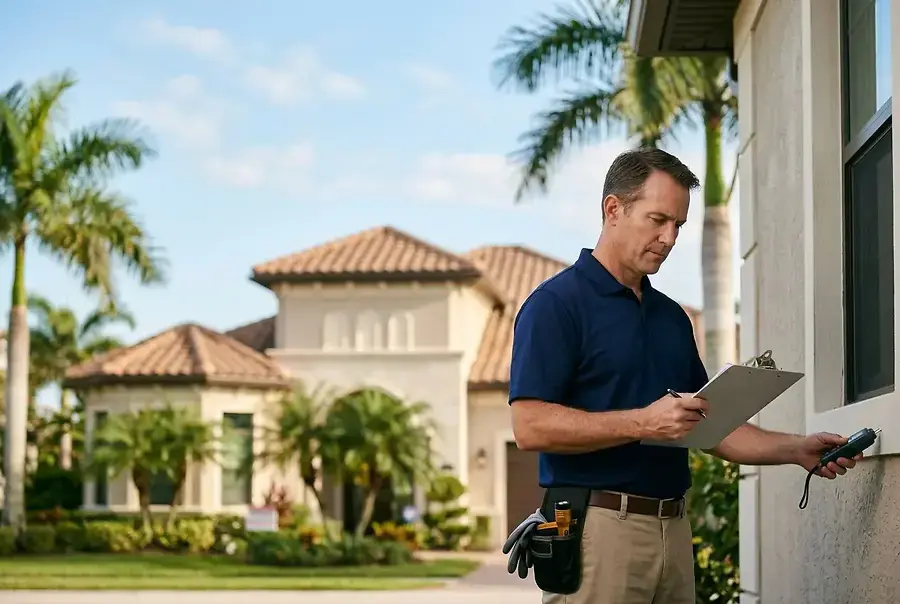
A home inspection is one of the most critical steps in the home buying process. This comprehensive evaluation by a licensed professional examines the structural integrity, mechanical systems, and overall condition of a property. For Naples buyers, understanding this process can mean the difference between a sound investment and a costly mistake.
The inspection typically lasts two to three hours and covers everything from the foundation to the roof. During this time, the inspector will document findings, take photographs, and provide detailed notes about the property's condition. This report becomes your roadmap for making informed decisions about your purchase.
Many buyers skip or rush through inspections to close deals quickly, but this is a risky strategy. An inspection protects you by uncovering hidden problems that could cost thousands to repair. In Naples' unique climate and environment, certain issues are more common than in other regions, making professional inspection even more valuable.
Key Areas Inspectors Examine and Common Naples-Specific Issues
Structural and Foundation Concerns
Inspectors carefully examine the foundation, walls, and overall structural integrity. In Naples, where humidity and moisture are constant challenges, foundation cracks and water intrusion are particularly common issues. The inspector will look for signs of settling, cracks in concrete, and water damage that could indicate deeper problems.
Roof and Weather Protection
Given Naples' exposure to hurricanes and intense sun, roof condition is critical. Inspectors check for:
- Missing or damaged shingles
- Proper flashing around vents and chimneys
- Signs of leaks or water damage in the attic
- Age and remaining lifespan of roofing materials
A roof replacement can cost $10,000 to $25,000 or more, so this is an area where detailed inspection findings are invaluable.
HVAC and Cooling Systems
Air conditioning systems work overtime in Naples. Inspectors evaluate the AC unit's age, efficiency, and condition. They'll check refrigerant levels, ductwork integrity, and whether the system adequately cools the entire home. A failing AC system in Naples isn't just uncomfortable—it's a major expense.
Plumbing and Water Systems
Hard water and corrosion are common in coastal Florida properties. Inspectors test water pressure, check for leaks, examine pipe materials, and assess water heater condition. Corroded pipes or outdated plumbing systems may need replacement, which can be a significant investment.
Electrical Systems
The inspector will verify that the electrical panel is properly grounded, check for outdated wiring, and ensure outlets and switches function correctly. Older homes may have aluminum wiring or insufficient capacity for modern appliances, creating safety and functionality concerns.
Moisture and Mold Issues
Naples' humid climate creates ideal conditions for mold growth. Inspectors look for visible mold, water stains, and moisture problems in crawl spaces, attics, and basements. Mold remediation can be expensive and health-related, making this a critical inspection area.
How to Interpret Inspection Reports and Negotiate Repairs
Understanding the Report
Inspection reports categorize findings by severity. Critical issues require immediate attention, while minor issues may be acceptable depending on your comfort level and budget. The report will include photographs and detailed descriptions of each finding.
Don't be alarmed by a lengthy report—most homes have some issues. The key is understanding which problems are deal-breakers and which are manageable.
Negotiation Strategies
Once you have the inspection report, you have several options:
- Request repairs: Ask the seller to fix critical issues before closing
- Request credits: Negotiate a reduction in the purchase price to cover repairs yourself
- Request inspections: Ask for specialized inspections (pest, mold, structural) for concerning areas
- Walk away: If issues are too severe or costly, you may choose not to proceed
Work with your real estate agent to determine fair repair costs and reasonable requests. Sellers are more likely to accept repair requests for critical safety issues than cosmetic concerns.
Getting a Second Opinion
For major concerns like foundation damage or roof issues, consider hiring a specialist for a detailed evaluation. This additional cost is worthwhile when significant repairs are at stake.
Closing Strong: Using Inspection Results to Make Confident Purchase Decisions
Creating Your Action Plan
After reviewing the inspection report and negotiating with the seller, create a clear action plan. Document all agreed-upon repairs and ensure they're completed before closing. Schedule a final walk-through to verify that repairs were done properly.
Planning for Future Maintenance
The inspection report also serves as a maintenance guide for your new home. Note the age of major systems and plan for future replacements. For example, if the roof is 15 years old, budget for replacement within the next 5-10 years.
Making Your Final Decision
Armed with complete inspection information, you can make a confident purchase decision. You'll understand the property's true condition, anticipated repair costs, and long-term maintenance needs. This knowledge eliminates surprises after closing and helps you budget appropriately.
Remember: A thorough home inspection is not an obstacle to closing—it's your protection as a buyer. Taking time to understand the inspection process and findings ensures you're making a sound investment in your Naples home.
By following these essential guidelines, you'll navigate the inspection process with confidence and close on a property that meets your expectations and protects your financial investment.


