Nappanee Home Inspection Essentials: What Buyers Should Know
Master the critical inspection process to protect your investment and avoid costly surprises when purchasing residential property in Nappanee.

Understanding the Home Inspection Process
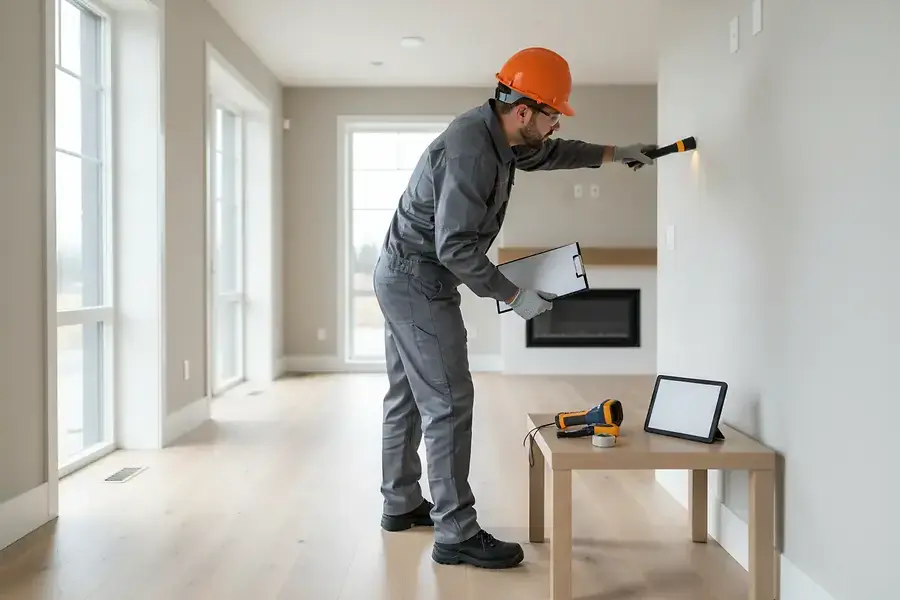
A home inspection is one of the most important steps in the home-buying process. This comprehensive evaluation of a property's condition provides you with detailed information about the structural integrity, systems, and overall safety of your potential new home. In Nappanee, professional home inspectors conduct thorough examinations that typically last two to three hours, depending on the property's size and age.
During the inspection, a certified inspector will evaluate virtually every accessible component of the home. You have the right to be present during the inspection, and it's highly recommended that you attend. This gives you the opportunity to ask questions, understand potential issues, and learn about the home's systems firsthand. The inspector will provide you with a detailed written report within 24 to 48 hours, documenting their findings and recommendations.
What to Expect During Your Inspection
The inspection process follows a systematic approach, starting from the exterior and working inward. Inspectors will examine:
- The roof and gutters
- Exterior walls and foundation
- Windows and doors
- Interior walls and ceilings
- Flooring and stairs
- All major systems and appliances
Most inspectors use a standardized checklist to ensure nothing is overlooked. The final report will categorize findings as satisfactory, minor repairs needed, or major repairs required.
Key Areas Inspectors Examine in Nappanee Homes
Structural Components
The foundation is critical to a home's longevity. Inspectors look for cracks, water damage, and signs of settling. In Nappanee's climate, where freeze-thaw cycles are common, foundation issues can develop over time. Any significant cracks or water intrusion should be taken seriously, as repairs can be expensive.
The roof is another essential component. Inspectors assess the age, condition, and remaining lifespan of roofing materials. They check for missing shingles, improper ventilation, and signs of leaks. A roof nearing the end of its life is a major financial consideration for buyers.
Plumbing and Water Systems
Inspectors test all water fixtures, check for leaks, and assess water pressure. They examine the main water line, shut-off valve, and water heater condition. Hard water issues are common in Indiana, so inspectors may note mineral buildup or corrosion in pipes. They also evaluate the septic system or municipal sewer connection, depending on the property.
Electrical Systems
A thorough electrical inspection includes checking the main panel, circuit breakers, and wiring throughout the home. Outdated or unsafe electrical systems can pose fire hazards and may require upgrades. Inspectors verify that outlets are properly grounded and that the electrical system meets current safety codes.
HVAC and Ventilation
The heating and cooling systems are evaluated for age, functionality, and efficiency. Inspectors check furnaces, air conditioning units, and ductwork. Proper ventilation is essential for indoor air quality, so they assess exhaust fans and ventilation systems throughout the home.
Insulation and Moisture Control
Adequate insulation affects energy efficiency and comfort. Inspectors assess attic insulation levels and check for proper moisture barriers. In Nappanee's climate, moisture control is particularly important to prevent mold growth and structural damage.
Red Flags and How to Respond
Common Issues in Nappanee Homes
Certain problems appear frequently in the area due to climate and age of housing stock. Water damage and basement moisture are among the most common concerns. This can result from poor drainage, foundation cracks, or inadequate guttering.
Outdated electrical systems and knob-and-tube wiring in older homes present safety hazards. Asbestos and lead paint may be present in homes built before the 1980s, requiring professional remediation if disturbed.
How to Respond to Inspection Findings
Once you receive the inspection report, take time to review it carefully. Prioritize issues by severity:
- Critical Issues: Safety hazards or major structural problems require immediate attention and negotiation
- Important Issues: Systems nearing end of life should be factored into your offer
- Minor Issues: Small repairs or maintenance items are often acceptable as-is
You have several options when issues are discovered. You can request repairs from the seller, ask for a credit toward closing costs, renegotiate the purchase price, or walk away from the deal. Your real estate agent can help you determine the best course of action based on local market conditions and the severity of issues found.
Getting a Second Opinion
For significant issues, consider hiring a specialist. If the inspector notes foundation concerns, hire a structural engineer. For electrical problems, consult a licensed electrician. These specialists can provide detailed assessments and repair estimates, giving you accurate information for negotiations.
Making Informed Decisions After Your Inspection
Evaluating Repair Costs
Don't let inspection findings paralyze you. Every home has some issues. The key is understanding which problems are deal-breakers and which are manageable. Get repair estimates from licensed contractors to understand true costs. A roof replacement might cost $8,000 to $15,000, while a minor plumbing repair might be $300 to $500.
Negotiation Strategies
Use inspection findings as leverage in negotiations. If major repairs are needed, request that the seller complete them before closing or provide a credit. In a buyer's market, sellers are more motivated to address issues. In a seller's market, you may need to accept minor issues or walk away.
Be realistic about your expectations. No home is perfect, and older homes will have more wear and tear. Focus on systems and structural elements that affect safety, comfort, and long-term value.
Planning for Future Maintenance
The inspection report is valuable beyond the purchase decision. Use it as a maintenance roadmap. Note when systems are approaching end of life so you can budget for replacements. Understanding your home's condition helps you prioritize maintenance and avoid emergency repairs.
Consider creating a home maintenance schedule based on inspection findings. Address critical items immediately, plan for important repairs within the next few years, and budget for routine maintenance to keep your home in good condition.
Final Thoughts
A thorough home inspection is an investment in your peace of mind and financial security. By understanding the inspection process, knowing what to look for, and responding strategically to findings, you'll make a confident, informed decision about your Nappanee home purchase. Remember: the inspection is your opportunity to uncover issues before you commit to the purchase. Use this information wisely to protect your investment and ensure your new home is a sound financial decision.


