Nashville Home Inspections: A Complete Buyer's Guide to Protecting Your Investment
Discover what professional inspectors look for and how to use inspection reports to make informed decisions on Nashville residential properties.

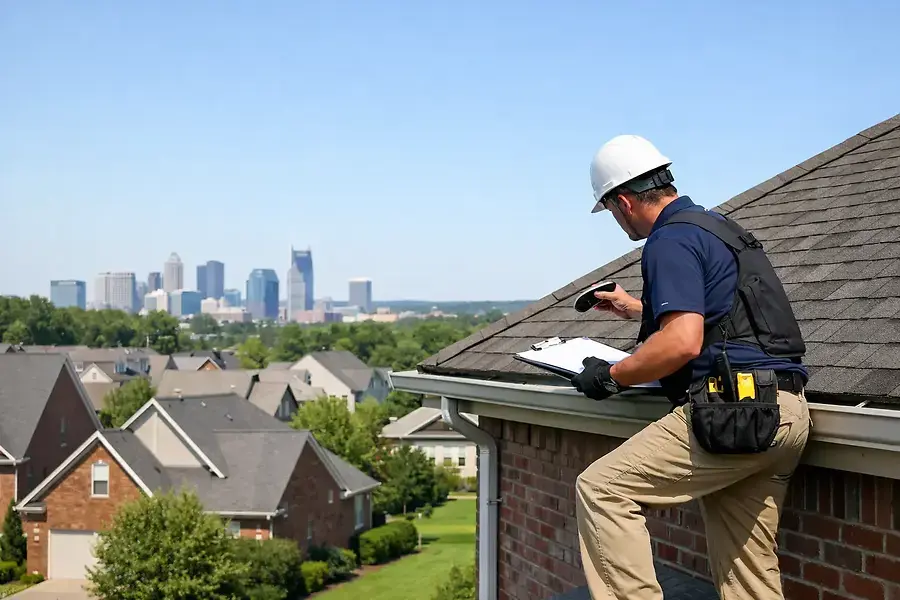
Why Professional Home Inspections Are Critical for Nashville Buyers
Purchasing a home is one of the most significant investments you'll make in your lifetime. In Nashville's competitive real estate market, it's easy to get caught up in the excitement of finding the perfect property and overlook critical details that could cost you thousands of dollars down the road. This is where professional home inspections become invaluable.
A comprehensive home inspection serves as your personal advocate, providing an objective assessment of a property's condition before you commit to the purchase. Rather than relying solely on the seller's disclosures or your own observations, a certified inspector brings expertise, specialized equipment, and an unbiased perspective to identify potential issues that untrained eyes might miss.
The stakes are high: Discovering major structural problems, electrical hazards, or plumbing issues after closing can result in unexpected repair costs ranging from hundreds to hundreds of thousands of dollars. A professional inspection protects your investment and gives you the information needed to make confident decisions.
Understanding the Nashville Home Inspection Process and What Inspectors Evaluate
The Inspection Timeline and Process
A typical home inspection takes between two to four hours, depending on the property's size and age. The inspector will systematically examine both the interior and exterior of the home, documenting findings with photographs and detailed notes. You're encouraged to walk through the inspection with the inspector to ask questions and gain firsthand knowledge about the property.
Key Areas Inspectors Examine
Professional home inspectors evaluate numerous systems and components:
- Structural Elements: Foundation, walls, roof, and framing for signs of damage, settling, or deterioration
- Roofing: Condition of shingles, flashing, gutters, and overall remaining lifespan
- Electrical Systems: Panel condition, wiring, outlets, and safety compliance
- Plumbing: Water pressure, drainage, pipe condition, and water heater functionality
- HVAC Systems: Heating and cooling efficiency, age, and maintenance history
- Interior Components: Doors, windows, flooring, walls, and ceilings
- Exterior Features: Siding, decks, patios, and landscaping drainage
- Pest and Moisture Issues: Signs of termites, mold, water damage, or other infestations
Reading Your Inspection Report
After the inspection, you'll receive a detailed report categorizing findings by severity. Most reports use classifications such as:
- Major Issues: Problems requiring immediate attention or significant repair costs
- Minor Issues: Small repairs or maintenance items that don't pose immediate safety concerns
- Recommendations: Suggestions for future maintenance or upgrades
Understanding this report is crucial for your next steps in the buying process.
Common Issues Found in Nashville Homes and Negotiation Strategies
Typical Nashville Home Problems
Nashville's climate and older housing stock create specific challenges for homeowners. Common issues found in local inspections include:
- Roof Damage: Tennessee's weather patterns, including heavy rains and occasional severe storms, accelerate roof deterioration
- Foundation Issues: Older homes may experience settling or cracks due to soil composition and age
- Moisture and Mold: High humidity levels can lead to moisture intrusion and mold growth, particularly in basements and crawl spaces
- Outdated Electrical Systems: Older properties may have inadequate wiring or outdated panels unable to handle modern electrical demands
- Plumbing Concerns: Aging pipes, corrosion, and water pressure issues are frequent findings in established neighborhoods
- HVAC Age: Many Nashville homes have aging heating and cooling systems nearing the end of their lifespan
Negotiation Strategies Based on Inspection Findings
Once you have your inspection report, you have several options for moving forward:
Request Repairs: Ask the seller to fix major issues before closing. This is most effective for significant problems that affect safety or structural integrity.
Request Credits: Instead of repairs, negotiate a credit toward closing costs or a price reduction to cover repair expenses yourself. This gives you control over the work quality.
Renegotiate Price: Use inspection findings to justify a lower offer price that accounts for necessary repairs and future maintenance.
Walk Away: If inspection reveals extensive damage or costs that make the property unviable, you may have grounds to terminate the contract, depending on your inspection contingency terms.
"The inspection contingency is your safety net. It's the one opportunity to back out of the deal without penalty if major issues are discovered. Use it wisely."
Negotiation Best Practices
- Prioritize major safety and structural issues over cosmetic concerns
- Get repair estimates from licensed contractors to support your requests
- Be reasonable—sellers are more likely to cooperate with fair requests
- Document everything in writing through your real estate agent
- Understand your inspection contingency timeline and deadlines
Using Inspection Results to Close with Confidence on Your Nashville Home
A thorough home inspection is more than just a formality—it's your opportunity to make an informed decision about one of life's biggest purchases. By understanding what inspectors evaluate, recognizing common Nashville-area issues, and knowing how to negotiate effectively, you position yourself to close on your new home with confidence.
Remember that no home is perfect. The goal isn't to find a flawless property but to understand exactly what you're buying and to ensure that any issues are addressed before you take ownership. Whether you're a first-time buyer or an experienced investor, a professional home inspection is the smart choice that protects your investment and your peace of mind.
Work closely with your real estate agent and inspector to navigate the process, ask questions, and make decisions that align with your budget and priorities. With proper due diligence, you'll be well-prepared to make the best decision for your Nashville home purchase.


