Navigating Appraisal Gaps: A Guide to Protecting Your Home Sale
Learn why home appraisals fall short of purchase price and how to navigate this common challenge.

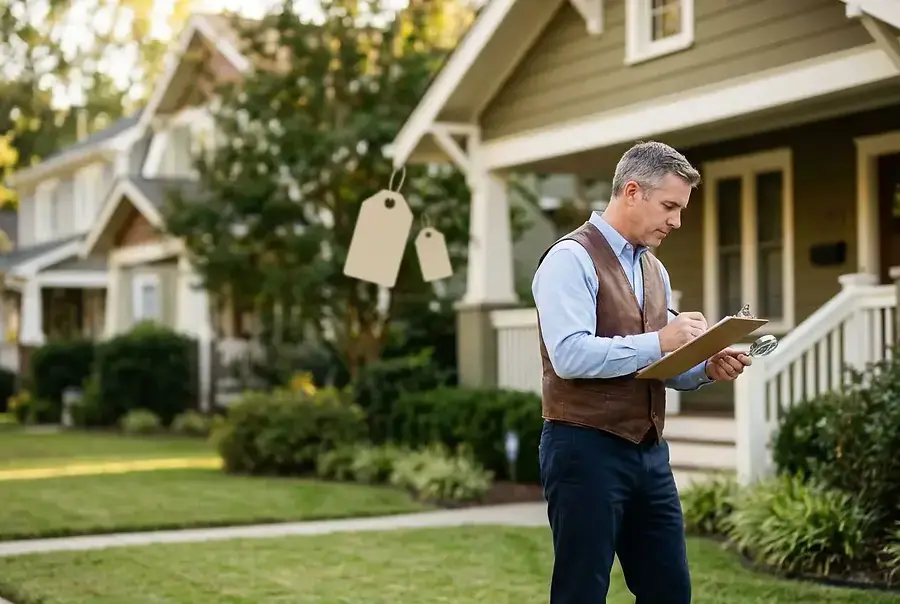
What Is an Appraisal Gap and Why It Matters for Homeowners
An appraisal gap occurs when a home's appraised value falls short of the agreed-upon purchase price. This common real estate challenge can create significant complications for both buyers and sellers, potentially derailing transactions or forcing difficult negotiations at the last minute.
When you make an offer on a home, you're agreeing to a price based on your research, market conditions, and the property's perceived value. However, the lender's appraisal—an independent professional assessment—may tell a different story. If the appraised value is lower than your purchase price, you've encountered an appraisal gap.
Why does this matter? Most mortgage lenders will only finance up to the appraised value of the property. This means if you agreed to pay $400,000 but the appraisal comes in at $380,000, you'll need to cover that $20,000 difference out of pocket—or renegotiate the deal entirely.
Common Reasons Appraisals Come in Below Purchase Price
Market Conditions and Recent Sales Data
Appraisers rely heavily on comparable sales—recent transactions of similar properties in the area. If the market has softened recently or if comparable homes sold for less than your purchase price, the appraisal will reflect this reality. Appraisers use objective data, not emotional attachment or future potential.
Property Condition and Maintenance Issues
Deferred maintenance, outdated systems, or structural concerns can significantly impact an appraisal. An appraiser might note:
- Aging roof or HVAC systems
- Outdated plumbing or electrical work
- Foundation issues or water damage
- Cosmetic problems like worn flooring or dated finishes
These issues don't necessarily make a home unlivable, but they do affect its appraised value.
Location and Neighborhood Factors
Properties in declining neighborhoods or areas with negative trends may appraise lower than expected. Factors include proximity to undesirable features, school district ratings, crime statistics, and overall neighborhood desirability.
Overpriced Offers in Competitive Markets
During competitive bidding situations, buyers sometimes offer above asking price to win a deal. While this strategy works for winning the bid, it doesn't guarantee the appraisal will support that inflated price. The appraiser's job is to determine fair market value, not validate your offer.
Strategies for Buyers and Sellers to Address Appraisal Shortfalls
For Buyers: Protective Measures
Include an Appraisal Contingency
This clause allows you to renegotiate or walk away if the appraisal comes in low. While sellers may resist this protection, it's crucial for protecting your financial interests. Many buyers waive this contingency in competitive markets—a risky move that can backfire.
Increase Your Down Payment
If you have additional funds available, increasing your down payment can bridge the appraisal gap. For example, if you planned a 10% down payment but the appraisal gap is 5%, increasing to 15% down solves the problem without renegotiating.
Request a Reconsideration of Value (ROV)
If you believe the appraisal is inaccurate, you can request the appraiser review their work. Provide additional comparable sales data or information about recent improvements that might have been overlooked. However, appraisers are professionals and won't change their assessment without legitimate cause.
Renegotiate the Purchase Price
The most straightforward solution is asking the seller to reduce the price to match the appraisal. Many sellers will negotiate rather than lose the sale, especially if the appraisal gap is small.
For Sellers: Proactive Strategies
Price Realistically from the Start
Work with your real estate agent to price the home based on current market data and comparable sales. Overpricing invites appraisal gaps and longer time on market.
Address Maintenance Issues Before Listing
Invest in repairs and updates that will improve the appraisal. Focus on systems like roofing, HVAC, and plumbing that appraisers scrutinize carefully. Fresh paint and updated fixtures also help.
Document Recent Improvements
Keep records of renovations, upgrades, and repairs completed recently. Provide this documentation to the appraiser so they can factor these improvements into their assessment.
Understand Your Market Position
If you're in a declining market, be prepared for appraisal gaps. Consider pricing more conservatively or being flexible with negotiations if an appraisal gap occurs.
For Both Parties: Collaborative Solutions
Split the Difference
In many cases, buyers and sellers meet halfway on the appraisal gap. If the gap is $20,000, each party might cover $10,000 through price reduction and increased down payment.
Seller Concessions
Sellers can offer closing cost assistance or credits toward repairs instead of reducing the purchase price. This maintains the sale price while helping the buyer cover the gap.
Extend Negotiations Timeline
Don't rush into decisions. Take time to explore all options and understand the full financial picture before making compromises.
Moving Forward with Confidence in Your Residential Transaction
Appraisal gaps are a normal part of real estate transactions, not a sign of disaster. The key is preparation and understanding your options.
Buyers should always include appraisal contingencies, maintain realistic expectations about pricing, and be prepared to increase their down payment if necessary. Sellers should price competitively, maintain their properties well, and be flexible when appraisals don't match expectations.
By understanding why appraisal gaps occur and knowing the strategies available to address them, you can navigate this challenge confidently. Whether you're buying or selling, working with experienced real estate professionals and lenders who understand these dynamics will help you reach a successful closing.
Remember: an appraisal gap is a negotiation point, not a deal-breaker. With the right approach and mindset, you can find solutions that work for everyone involved.


