Navigating Chicago's Neighborhood Trends for Smart Home Buying
Discover which Chicago neighborhoods offer the best value and growth potential for your next residential investment.

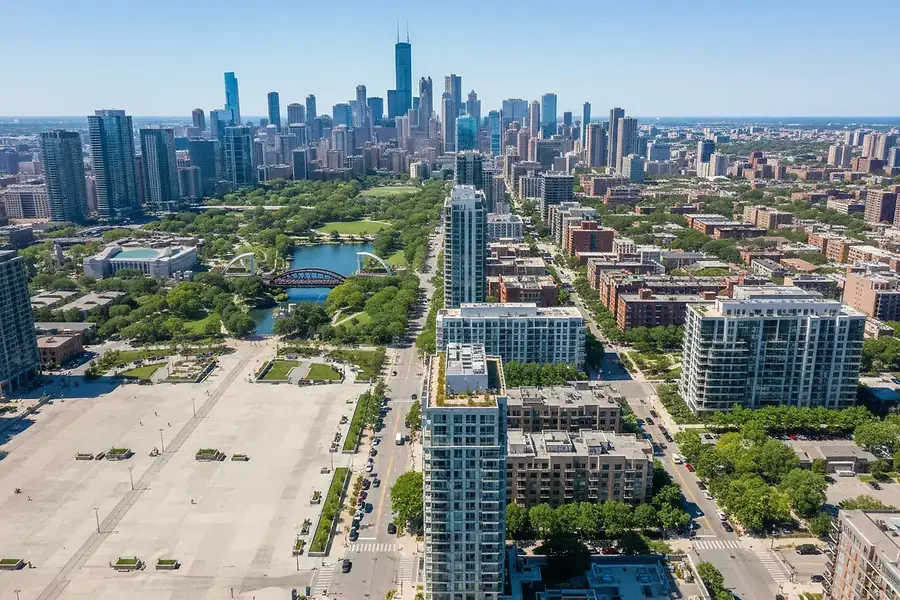
Understanding Chicago's Diverse Real Estate Market
Chicago's real estate market is as diverse as the city itself, offering homebuyers an impressive range of neighborhoods with distinct characteristics, price points, and growth trajectories. Whether you're a first-time buyer seeking affordability or an experienced investor hunting for appreciation potential, understanding the nuances of Chicago's neighborhoods is essential for making a smart purchasing decision.
The Windy City spans over 200 neighborhoods, each with its own personality, demographic profile, and market dynamics. From the bustling downtown core to emerging neighborhoods on the city's periphery, Chicago presents both established communities with proven track records and up-and-coming areas poised for significant growth. The key to successful home buying lies in identifying which neighborhoods align with your financial goals, lifestyle preferences, and investment timeline.
Key Neighborhood Indicators and Market Trends to Evaluate
Price Trends and Appreciation Potential
When evaluating Chicago neighborhoods, analyzing recent price trends is crucial. Look for communities where property values have shown consistent growth over the past three to five years, as this indicates market stability and investor confidence. Some neighborhoods are experiencing rapid appreciation due to infrastructure improvements, while others maintain steady, predictable growth patterns.
Key metrics to monitor include:
- Year-over-year price appreciation rates
- Average days on market for properties
- Inventory levels and supply-demand dynamics
- Foreclosure and distressed property rates
- Median price per square foot trends
Infrastructure and Development Projects
Major infrastructure investments often signal neighborhood revitalization and future growth. Transit improvements, new commercial developments, and public space enhancements can dramatically impact property values and neighborhood desirability. Pay close attention to planned projects, zoning changes, and city investment initiatives that could transform an area's trajectory.
Neighborhoods with improved public transportation access, new retail districts, or planned residential developments typically see increased demand and property appreciation. These improvements make communities more attractive to both residents and investors, creating a positive feedback loop of growth and investment.
Demographic Shifts and Community Character
Understanding demographic trends helps identify neighborhoods experiencing revitalization or facing challenges. Population growth, age distribution, educational attainment, and income levels all influence neighborhood character and long-term viability. Communities attracting younger professionals or families often show stronger appreciation potential than those experiencing population decline.
Comparing Affordability, Amenities, and Future Development Across Chicago Communities
Established Neighborhoods with Proven Value
Chicago's established neighborhoods offer the advantage of proven market stability and established community infrastructure. Areas like Lincoln Square, Wicker Park, and Pilsen have demonstrated resilience and consistent appreciation over decades. These communities feature:
- Strong school systems and educational institutions
- Vibrant local business districts and dining scenes
- Well-maintained parks and recreational facilities
- Active community organizations and cultural institutions
- Diverse housing stock at various price points
While these neighborhoods may carry higher entry prices, their stability and amenities justify the investment for many buyers seeking long-term value.
Emerging Neighborhoods with Growth Potential
For investors seeking appreciation potential, emerging neighborhoods offer compelling opportunities. Areas undergoing revitalization often provide better entry prices while positioning buyers for significant future gains. Communities like Bridgeport, Englewood, and parts of the South and West sides are attracting new investment, businesses, and residents.
These neighborhoods typically feature:
- Lower entry prices compared to established areas
- Active community development initiatives
- Planned or ongoing infrastructure improvements
- Growing small business and entrepreneurial activity
- Increasing cultural and artistic presence
However, emerging neighborhoods carry higher risk and require more thorough due diligence to ensure the revitalization momentum is genuine and sustainable.
Amenities and Quality of Life Factors
Beyond price and appreciation potential, neighborhood amenities significantly impact both lifestyle satisfaction and long-term property value. Consider proximity to:
- Public transportation: CTA access dramatically increases property desirability and reduces transportation costs
- Parks and green spaces: Access to quality parks enhances quality of life and supports property values
- Schools: Proximity to highly-rated schools is crucial for families and impacts resale value
- Shopping and dining: Vibrant commercial districts attract residents and support neighborhood vitality
- Healthcare facilities: Access to quality medical services is increasingly important for all demographics
Future Development and Long-Term Outlook
Research planned developments, zoning changes, and city initiatives that could impact your chosen neighborhood.
A neighborhood's future trajectory often matters more than its current state when making a long-term investment.Connect with local aldermen's offices, community organizations, and real estate professionals to understand what's planned for your area of interest.
Consider whether planned developments align with your vision for the neighborhood. New transit lines, commercial districts, or residential projects can either enhance or detract from community character depending on their nature and scale.
Making an Informed Neighborhood Decision for Your Chicago Home Purchase
Selecting the right Chicago neighborhood requires balancing multiple factors: your budget, investment timeline, lifestyle preferences, and risk tolerance. Start by clearly defining your priorities and weighting them appropriately. Are you prioritizing affordability, appreciation potential, established amenities, or growth prospects?
Visit neighborhoods at different times of day and week to get a genuine feel for community character. Talk to current residents, visit local businesses, and explore parks and public spaces. This ground-level research often reveals insights that data alone cannot provide.
Work with a knowledgeable real estate agent familiar with Chicago's diverse neighborhoods. They can provide market data, development insights, and comparative analysis to support your decision-making process. Don't rush the selection process—choosing the right neighborhood is one of the most important decisions in the home-buying journey.
Chicago's real estate market offers opportunities for every type of buyer and investor. By thoroughly evaluating neighborhood indicators, comparing amenities and affordability, and understanding future development plans, you can make an informed decision that aligns with your goals and positions you for long-term success in the Windy City's dynamic real estate market.


